Dashi
Japanese umami stock made with kombu, bonito or shiitake
What is this ingredient?
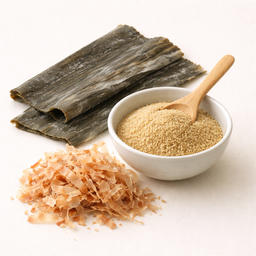
Dashi is the backbone of Japanese cuisine and one of the most refined ways to add savory depth to dishes without heavy sauces or much fat. The classic base is kombu seaweed and katsuobushi (dried bonito flakes); vegetarian versions often use kombu and shiitake.
Kombu (seaweed):
- Rich in iodine, a mineral with EFSA-authorized claims at nutrient level
- Contains fucoidans, sulfated polysaccharides from brown seaweed that are studied in nutrition research
- Provides natural glutamate, the compound behind dashi’s recognizable umami taste
Bonito (dried tuna):
- Contains the dipeptides anserine and carnosine
- Provides inosinic acid (IMP), which strengthens the umami impression together with glutamate
- Gives dashi its light, smoky and savory depth
Shiitake (optional):
- Adds guanylate, an umami nucleotide that pairs well with glutamate
- Contains β-glucans from mushrooms
- Makes vegetarian dashi richer and earthier in flavor
Practically speaking, dashi is an elegant base for soups, noodles, rice dishes, sauces and vegetable preparations: lots of flavor, few calories and a clean Japanese culinary signature.
How does it taste?
Delicate umami with a clear, ocean-mineral flavor and a subtle smoky undertone.
Pairs well with:
Pairs well with misotofunoodlesspring onionwakame and light vegetables.
Did you know...?
- Dashi is the foundation of many Japanese dishes and is a classic source of the fifth taste: umami.
- Traditional dashi is often made with just two ingredients: kombu and katsuobushi.
Nutritional Value & Energy
Per 100ml
Dashi is low in calories thanks to natural nutrients .
Per 100g
Minerals
Vitamins
What's in a serving?
1 serving
Dashi naturally contains iodine (150 mcg per 100 g), especially when kombu is used.
% of daily reference intake (DRI)
EU-approved nutrition claims
This ingredient contains nutrients for which EFSA-authorized health claims exist (at nutrient level, not ingredient-specific).
Approved health claims (EU)
Iodine EU 432/2012
Iodine contributes to normal cognitive function
Contains 150mcg/100g (threshold: ≥22.5mcg/100g)
Iodine EU 432/2012
Iodine contributes to normal energy-yielding metabolism
Contains 150mcg/100g (threshold: ≥22.5mcg/100g)
Iodine EU 432/2012
Iodine contributes to normal functioning of the nervous system
Contains 150mcg/100g (threshold: ≥22.5mcg/100g)
Iodine EU 432/2012
Iodine contributes to the maintenance of normal skin
Contains 150mcg/100g (threshold: ≥22.5mcg/100g)
Iodine EU 432/2012
Iodine contributes to the normal production of thyroid hormones and normal thyroid function
Contains 150mcg/100g (threshold: ≥22.5mcg/100g)
Iodine EU 432/2012
Iodine contributes to the normal growth of children
Contains 150mcg/100g (threshold: ≥22.5mcg/100g)
What's being researched?
Umami, flavor perception and satiety
Glutamate in dashi is studied in research on umami, flavor perception and eating behavior. The focus is on how savory tastes can make meals more appealing, especially in light broths and vegetable dishes.
Supported by: [3] Yamaguchi (2000)
Good Combinations (Synergy)
Combine dashi smartly to enhance the effect:
Dashi 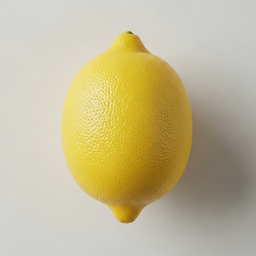 Lemon
Lemon Iodine from kombu + vitamin C for thyroid and immune
Technical: Dashi's kombu contains iodine (1500μg/100g dry, 1000% RDI) essential for T3/T4 thyroid hormone synthesis. Lemon's vitamin C (53mg) is a cofactor for thyroperoxidase (TPO) that organifies iodine in the thyroid. Bonito in dashi also provides selenium (36μg/100g) — essential for T4→T3 conversion by deiodinase enzymes. Vitamin C also protects the thyroid from oxidative damage from H₂O₂ generated during TPO reaction.
What does this mean for you? Add a squeeze of lemon to dashi-based soups for optimal thyroid support. This is scientifically relevant for anyone with thyroid issues or wanting to prevent them.
Dashi 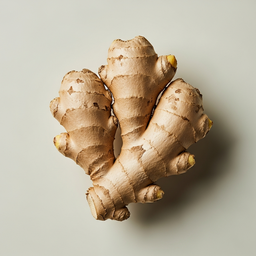 Ginger
 Glutamate-nucleotide umami + gingerols for Japanese recovery food
Technical: Dashi (kombu + bonito) contains the strongest umami duo: glutamate from kombu (2240mg/100g) + inosinate (IMP) from bonito. Glutamate + IMP amplify each other's umami by factor 8 (synergistic umami effect). Ginger's gingerols promote gastric motility and bile production. Dashi's iodine from kombu (1500ug/100g) supports thyroid function.
What does this mean for you? Dashi with ginger is the base of many Japanese broths. Steep kombu in cold water (8 hours) and warm with bonito and fresh ginger for the most umami-rich, digestible broth.
Dashi 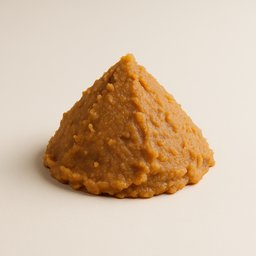 Miso
Miso Umami stacking: glutamate + inosinate = 8x flavor
Technical: Dashi (kombu + bonito) combines two umami sources: glutamate from kombu and inosinate from bonito. Miso/soy sauce adds a third source: more glutamate from soy fermentation. The synergistic effect of glutamate + inosinate amplifies flavor perception up to 8x — the scientific basis of Japanese cuisine.
What does this mean for you? Dissolve miso in dashi for the most flavorful soup. The combination activates your taste buds 8x stronger than each ingredient alone — this is Japan's umami secret.
Dashi 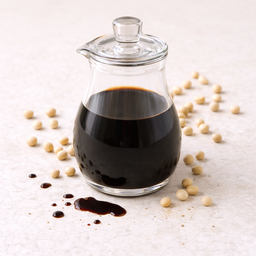 Soy Sauce
 Umami stacking: glutamate + inosinate = 8x flavor
Technical: Dashi (kombu + bonito) combines two umami sources: glutamate from kombu and inosinate from bonito. Miso/soy sauce adds a third source: more glutamate from soy fermentation. The synergistic effect of glutamate + inosinate amplifies flavor perception up to 8x — the scientific basis of Japanese cuisine.
What does this mean for you? Dissolve miso in dashi for the most flavorful soup. The combination activates your taste buds 8x stronger than each ingredient alone — this is Japan's umami secret.
Recipes with Dashi
Discover delicious recipes featuring dashi:
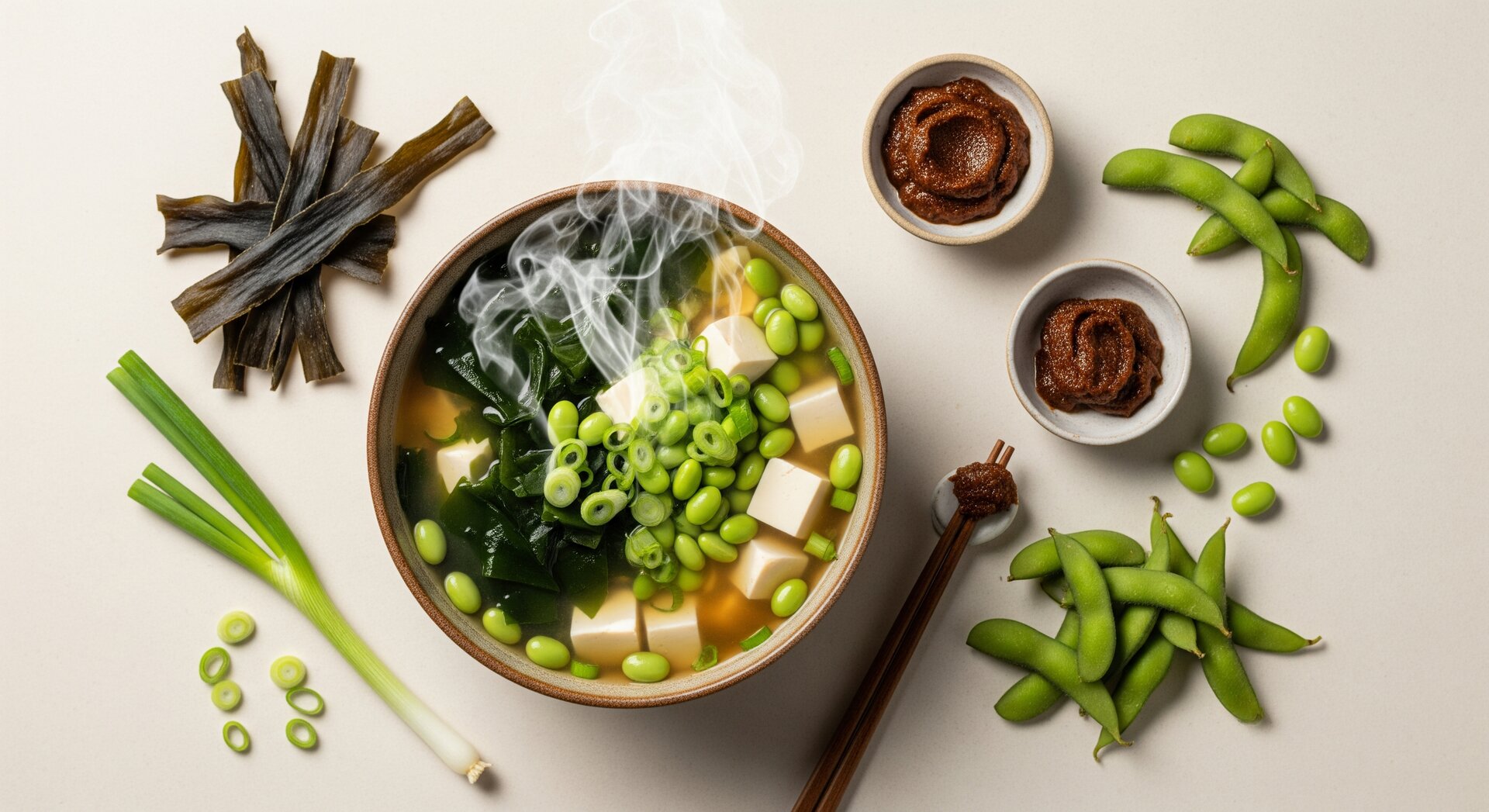 Japanese Edamame Miso Soup 20 min Light miso soup with edamame, tofu, wakame and ginger
  245 kcal
  18g protein 2 synergies
 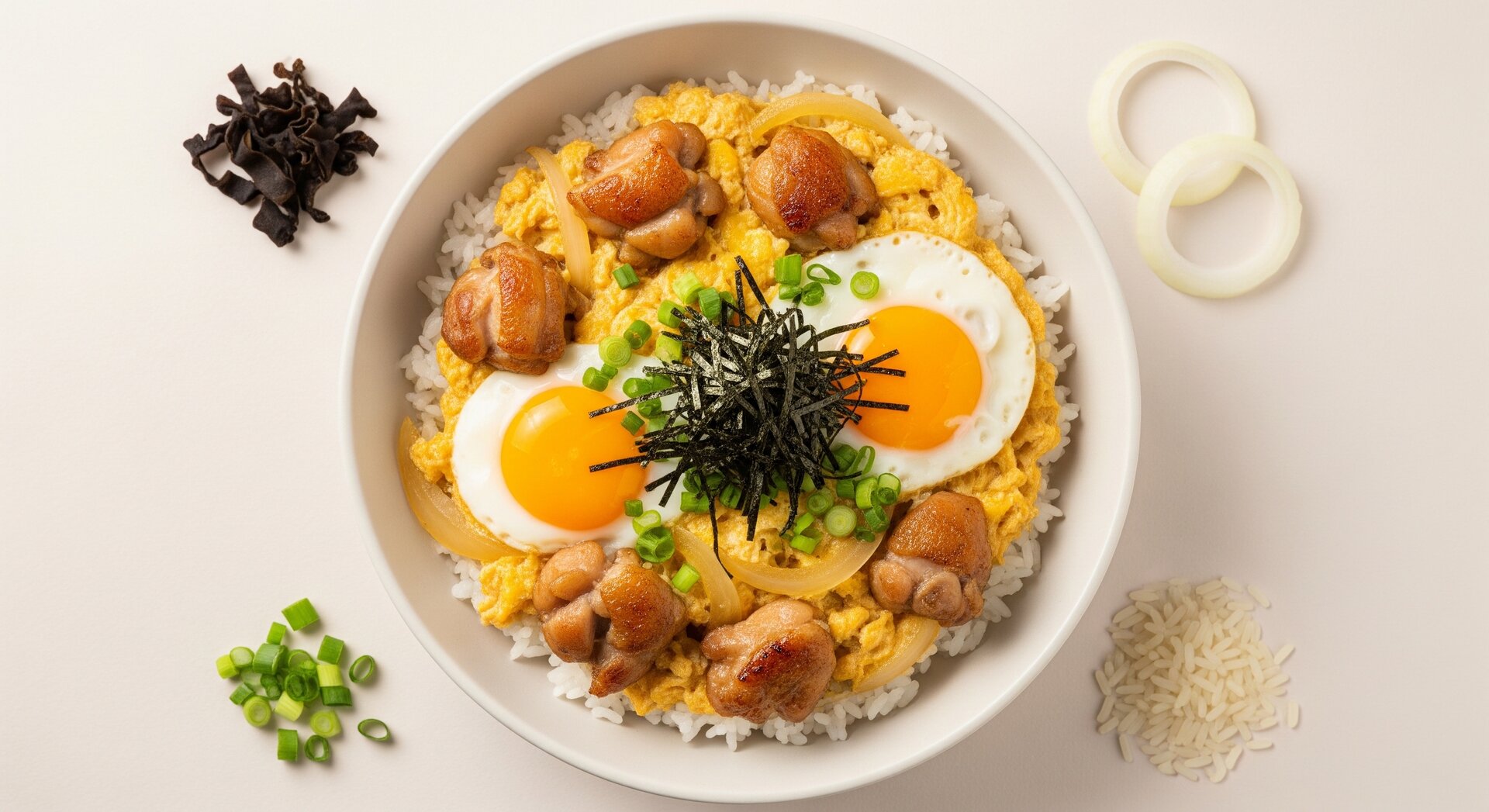 Japanese Oyakodon - Chicken and Egg over Rice 30 min Japanese comfort bowl with simmered chicken and silky egg 653 kcal 62g protein 2 synergies
 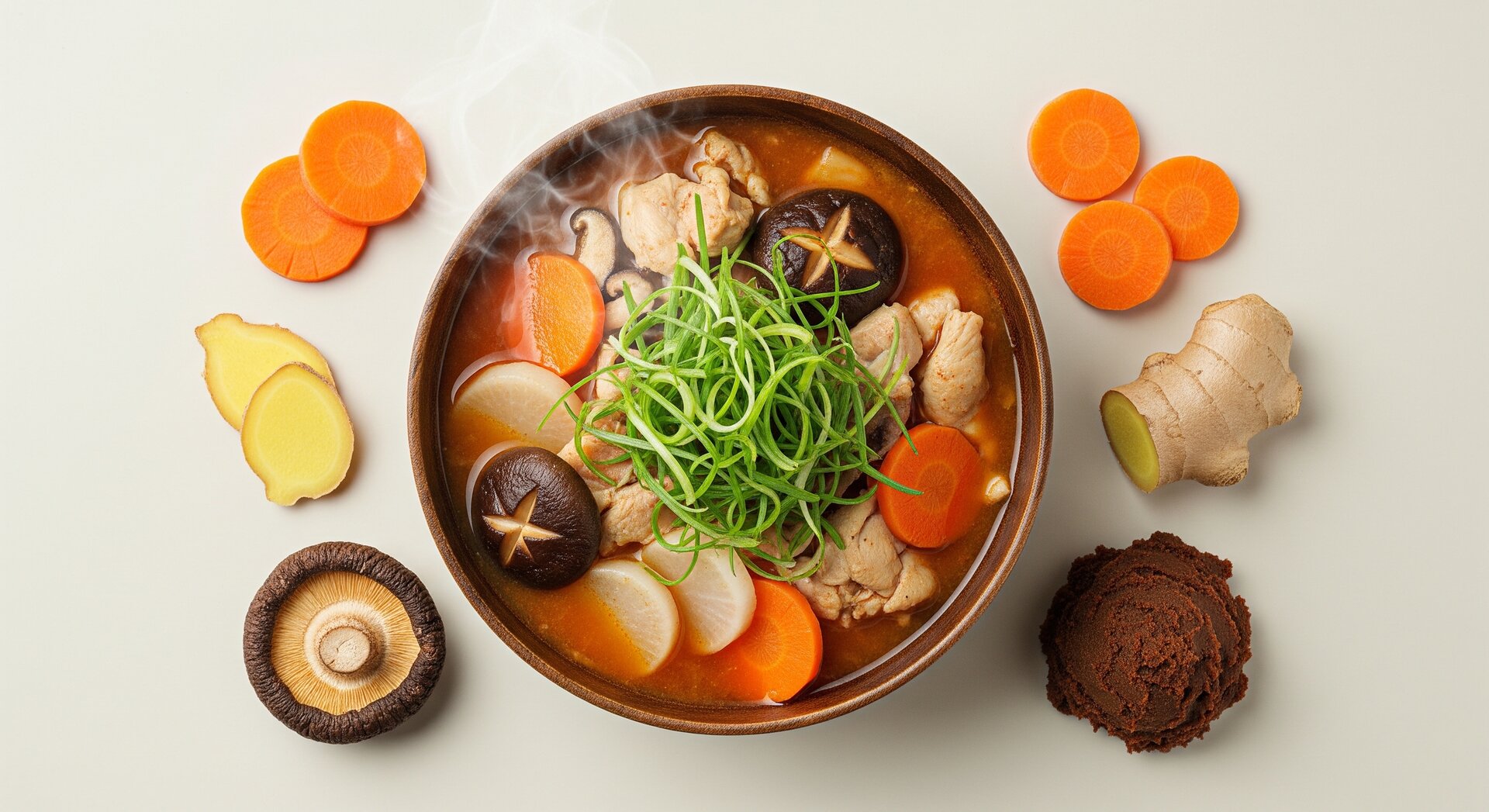 Japanese Tonjiru with Chicken and Root Vegetables 40 min Savoury miso soup with chicken, root vegetables, shiitake and ginger 235 kcal 24g protein 1 synergies
  In the Kitchen
Storage
Location:Pantry
Shelf life:varieert: poeder 1-2 jaar, zakjes 6-12 maanden, verse dashi 3-5 dagen (koelkast)
Store powder or sachets airtight, cool and dry after opening. Fresh dashi can be kept in the fridge or frozen in ice cube trays for quick portions.
Preparation
Powder: dissolve 1-2 teaspoons in 500 ml hot water. Fresh: soak kombu for 30 minutes in cold water, heat to just below boiling, remove the kombu, add bonito, steep briefly and strain.
Conversions
Substitutes
Smart preparation
1Do not let kombu boil; heat it slowly to just below boiling point.
Why?
Boiling too hard can make the texture slimy and create a bitter taste.
2Add bonito flakes after removing the kombu and steep them briefly.
3Make dashi in larger batches and freeze it in ice cube trays.
Caution / Warnings
Dashi is very safe, but there are scientific considerations:
High blood pressure or sodium restriction Moderate
Commercial dashi can be high in sodium (200-800 mg per 100 ml). Choose a low-sodium version when you need to limit salt intake.
Thyroid conditions Moderate
Kombu-based dashi can contain a lot of iodine. Take this into account with thyroid conditions or when following an iodine restriction.
Fish allergy Severe
Bonito dashi contains fish. Choose a kombu-and-shiitake-only version when you avoid fish.
Traditional use
Other
Dashi in Japanese cuisine
Dashi is the fundamental stock of Japanese cuisine and has been prepared from kombu and katsuobushi since the Muromachi period (1336-1573).
Summary
Dashi is a Japanese umami base with maximum flavor and minimal calories. Kombu provides natural glutamate and iodine, bonito adds smoky depth and shiitake makes vegetarian versions richer. Ideal for soup, noodles, rice dishes and sauces when you want lots of flavor without heavy cream or fat-based sauces.