- Medium
- 145 min
- 4 serv.
- 10 synergies
- Now at its best: Onion
Classic Flemish beef stew: tender chunks of beef that simmer for two hours in a deep sauce of caramelized onions, tomato passata and sharp Dijon mustard. The sauce turns dark and syrupy, the meat falls apart at the first touch of your fork. Served with a mountain of creamy mashed potatoes that soak up every bit of gravy.
This is Flanders on your plate. It starts with the onions — three large ones, sliced into rings, that you fry for a full ten minutes until soft and golden brown. They fill the kitchen with that sweet, deep aroma you already know before you've ever made this recipe. You've seared the beef in the same pan, in small batches so each piece gets that dark crust. Now everything goes together: the meat back with the onions, a splash of tomato passata, stock, two generous spoons of mustard that give the sauce character, bay leaf and thyme for the background. Lid on, into the oven, forgotten for two hours. When you open the pan the sauce has turned dark brown and syrupy, the meat so tender it slides off your fork. The mashed potatoes you make with a lump of butter and a splash of cooking water — creamy, fluffy, no lumps. One spoon of mash, a mountain of braised beef, the sauce slowly seeping into the potatoes. Winter food at its finest.
- 25
- min prep
- 120
- min cook
- 145
- min total
Nutritional Synergies
This recipe combines ingredients that enhance each other:
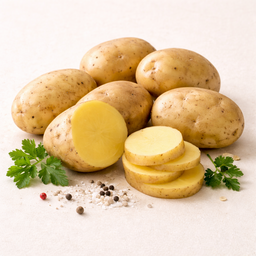 Potato
 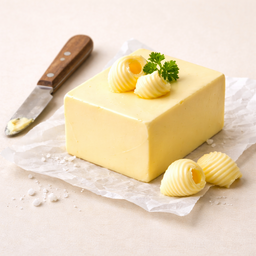 Butter
 Better absorption of carotenoids and vitamin A
Technical: Yellow potatoes contain up to 400μg carotenoids per 100g (lutein, zeaxanthin). Butter provides saturated fats (52g/100g) plus its own vitamin A (684μg retinol). Saturated fats improve micelle formation for carotenoid absorption up to 3x. Butter also contains butyrate precursors that nourish colonocytes.
What does this mean for you? Butter on your potato isn't just tasty — it increases carotenoid absorption up to 3x. Choose yellow potato varieties for the most beta-carotene.
Skin & HairImmune System
Potato 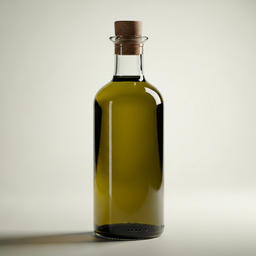 Olive Oil
 Olive oil improves carotenoid absorption from yellow potatoes
Technical: Yellow potato varieties contain up to 400μg carotenoids per 100g, including lutein and violaxanthin. These are fat-soluble and only 5-10% absorbed without fat. Olive oil's oleic acid (73%) forms mixed micelles increasing absorption up to 3x.
What does this mean for you? Roast or fry potatoes in olive oil — this significantly increases carotenoid absorption. Choose yellow varieties for maximum effect.
General WellnessSkin & Hair
Butter 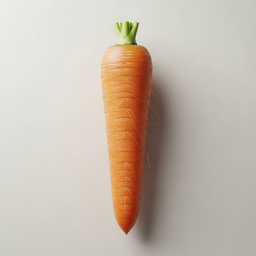 Carrot
 Butter increases beta-carotene absorption from carrot by 6x
Fat is essential for carotenoid absorption (PMID: 15927929)
Technical: Carrot contains 8285μg beta-carotene per 100g — the highest concentration of all vegetables. Without fat only 5-10% is absorbed because beta-carotene is fat-soluble. Butter's saturated fat promotes micelle formation in the small intestine, efficiently packaging beta-carotene for absorption. Just 3-5g butter increases uptake 3-6x.
What does this mean for you? Always eat carrots with some butter or other fat. Without fat most beta-carotene is lost — a knob of butter makes a world of difference.
Immune SystemSkin & HairGeneral Wellness
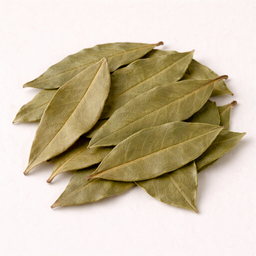 Bay Leaf
 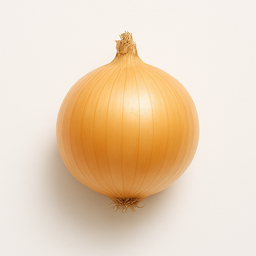 Onion
Onion Cineole + quercetin: aromatic broth base
Technical: Bay leaf contains 1,8-cineole (eucalyptol, 50% of oil), an aromatic compound. Onion's quercetin (20mg/100g) is a flavonoid. Bay leaf also contains parthenolide, studied in research in relation to COX signaling. The combination is the base of broth and stews in every Mediterranean cuisine.
What does this mean for you? Always add bay leaves together with onions as the base of your broth or stew. The combination gives a warm, aromatic base to any dish.
Immune SystemAnti-inflammatory
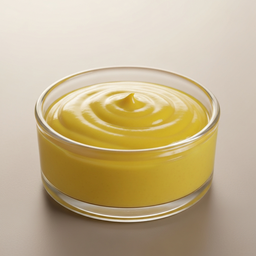 Mustard Olive Oil
 Perfect vinaigrette - mustard as emulsifier
Technical: Mustard contains mucilage (slime) acting as a natural emulsifier — it binds oil and vinegar into a stable vinaigrette. Mustard's sinigrin (glucosinolate) converts to allyl isothiocyanate with thermogenic and bioactive action. Olive oil provides oleocanthal and hydroxytyrosol.
What does this mean for you? Mustard vinaigrette is scientifically the perfect dressing. The mustard emulsifies, the olive oil provides polyphenols — and together they taste amazing.
Weight LossHeart
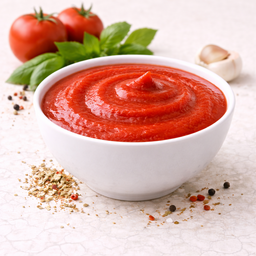 Tomato Passata Olive Oil
 Heated + fats = 5x more lycopene absorption
Technical: Tomato passata is already heated, releasing lycopene from cell walls in cis-form (better absorbable than trans-lycopene in raw tomato). Olive oil fats create micelles transporting this released lycopene through the gut wall. Basil adds eugenol (COX-2 inhibitor). Absorption increases up to 5x.
What does this mean for you? Make pasta sauce with tomato passata, olive oil and basil. You absorb up to 5x more lycopene than from raw tomato — great for your heart and skin.
HeartSkin & Hair
Tomato Passata Onion Lycopene + quercetin for broad-spectrum antioxidant protection
Technical: Tomato passata contains bioavailable lycopene (12-15mg/100g) from the cooking process. Onion's quercetin (20mg/100g) is a flavonoid that works complementarily to lycopene: lycopene neutralizes singlet oxygen (lipid phase), quercetin scavenges hydroxyl radicals and superoxide (aqueous phase). Together they cover the complete antioxidant spectrum. Onion's sulfur compounds also support Phase II biotransformation enzymes that process lycopene metabolites.
What does this mean for you? Passata with sauteed onion is the base of Italian cuisine (sugo). It's a top antioxidant duo you can eat daily — simple, affordable and effective.
HeartSkin & HairAnti-inflammatory
Carrot Olive Oil Up to 5x more beta-carotene absorption
Technical: Carrot contains 8285μg beta-carotene per 100g, but bioavailability from raw carrot is only 3-4%. Heating + olive oil increases this to 20-25%. Oleic acid (73% of olive oil) forms mixed micelles that efficiently transport beta-carotene to enterocytes for absorption.
What does this mean for you? Roast carrots with olive oil or eat them in a salad with dressing. Without fat you absorb only 3% of beta-carotene — with olive oil up to 5x more.
Skin & HairFocusImmune System
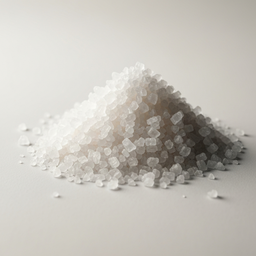 Sea Salt Olive Oil
 Minerals + polyphenols for cellular balance
Technical: Sea salt's sodium is essential for the sodium-potassium pump (Na+/K+-ATPase) that regulates every body cell. Olive oil's oleuropein and hydroxytyrosol provide antioxidant protection for cell membranes. The combination supports cell integrity: sea salt regulates ion balance, olive oil protects the membrane. In Mediterranean cuisine, coarse sea salt + olive oil is the most basic flavor profile.
What does this mean for you? Freshly ground sea salt with extra virgin olive oil is the simplest and most nutritious finishing of any dish. The combination provides the basic needs of your cells: minerals for function, polyphenols for protection.
HeartGeneral Wellness
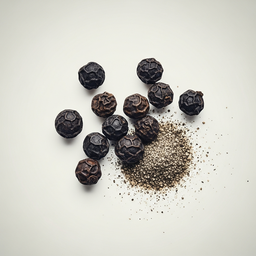 Black Pepper Olive Oil
 Fat increases piperine absorption and enhances polyphenols
Technical: Piperine is fat-soluble and absorbed 2-3x better with dietary fat. Olive oil's oleocanthal and piperine both modulate COX signal transduction through different mechanisms, providing additive bioactive effect.
What does this mean for you? Grind fresh pepper over salads with olive oil dressing. The combination enhances both pepper absorption and bioactive action.
Anti-inflammatoryHeartDigestion
Ingredients (13)
+10 more ingredients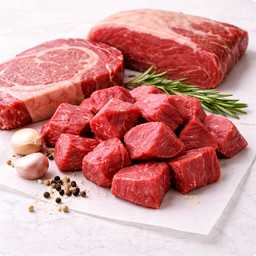
Instructions
- 1 Preheat oven to 150°C.
- 2 Season beef with salt and pepper and brown on all sides in olive oil in small batches.
Nutrition per serving
Indicative values per serving.
Timing & Suitability
Shelf life: 4 days in fridge
Tags & Diet
Allergens: Dairy