- Easy
- 5 min
- 1 serv.
- 7 synergies
- Now at its best: Walnuts
A creamy bowl with cottage cheese, blueberries, walnuts and chia seeds. Fresh fruit, soft dairy and a hint of cinnamon make it simple, satisfying and ready in just a few minutes.
This bowl feels small but complete. Chilled cottage cheese creates a soft, fresh base, while the blueberries burst with juicy sweetness. Chopped walnuts add a deep, rounded crunch, chia seeds bring a little extra bite, and cinnamon gives everything a warm, gentle note. A drizzle of honey makes it softer and rounder, though the bowl stays balanced even without it. It is the kind of breakfast or late snack that feels calm to look at and calm to eat: cool, creamy and quietly satisfying.
- 5
- min prep
- 0
- min cook
- 5
- min total
Nutritional Synergies
This recipe combines ingredients that enhance each other:
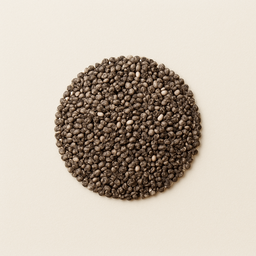 Chia seeds
 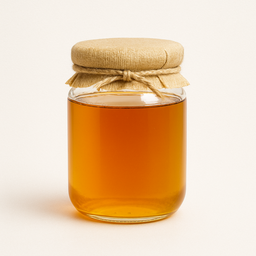 Honey
Honey Fiber + prebiotics for the microbiome and satiety
Technical: Chia seeds contain 34g fiber per 100g forming a gel in the gut promoting satiety. Honey contains prebiotic oligosaccharides (FOS) feeding beneficial gut bacteria. Together they support the microbiome.
What does this mean for you? Mix chia pudding with a spoonful of raw honey. The honey sweetens and feeds your good gut bacteria.
DigestionEnergyBlood Sugar
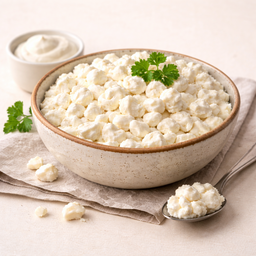 Cottage cheese
 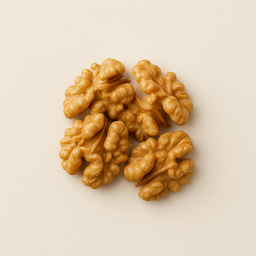 Walnuts
 Slow casein + healthy fats for overnight recovery and muscle growth
Technical: Cottage cheese contains 80% casein — a protein that digests slowly over 6-8 hours continuously releasing amino acids. Nuts add healthy fats that further slow digestion, plus magnesium (270mg/100g in almonds). Magnesium contributes to the reduction of tiredness and fatigue (EFSA). This provides continuous amino acid release: your muscles are fed throughout the night.
What does this mean for you? Eat cottage cheese with a handful of almonds or walnuts before bed. The protein feeds your muscles all night, the magnesium contributes to reducing tiredness.
Muscle GainSleepGeneral Wellness
Cottage cheese 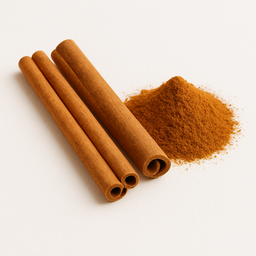 Cinnamon
 Casein protein + cinnamaldehyde for stable blood sugar and satiety
Technical: Cottage cheese's casein is a slow-digesting protein that gradually releases amino acids. Cinnamon's cinnamaldehyde activates AMPK and influences insulin signaling. Together they modulate glycemic response via protein delay and AMPK activation.
What does this mean for you? Cottage cheese with cinnamon for breakfast keeps you satisfied for hours and your blood sugar stable — a smart combination for a balanced start to the day.
Blood SugarWeight LossMuscle Gain
Cinnamon Honey Traditional warm combination of cinnamon and honey
Technical: Cinnamon contains cinnamaldehyde and proanthocyanidins with bioactive action via cell wall disruption. Honey's glucose oxidase produces hydrogen peroxide with bioactive action, while honey's high viscosity forms a physical barrier. Two independent bioactive mechanisms that work more broadly together.
What does this mean for you? Cinnamon + honey in warm tea — a classic combination. Both have bioactive action via different pathways — broader together than alone.
Immune System
Cinnamon Walnuts Cinnamon's insulin sensitivity + walnut omega-3 for metabolic health
Technical: Cinnamaldehyde activates AMPK and improves insulin signaling, while walnuts' ALA (alpha-linolenic acid) and ellagitannins regulate fat metabolism via PPARγ activation. Together they improve glucose metabolism via two complementary pathways.
What does this mean for you? Sprinkle walnuts with cinnamon as a snack or in your oatmeal — a delicious combination that supports your blood sugar and fat metabolism.
Blood SugarHeartWeight Loss
Walnuts 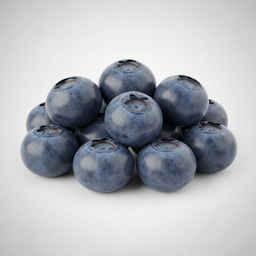 Blueberries
 ALA omega-3 + anthocyanins: complementary pathways for synaptogenesis and neuronal protection
Walnuts contain omega-3 fatty acids. The combination of polyphenols with healthy fats supports neurogenesis. This is the ultimate brain mix.
Technical: Walnuts contain ALA omega-3 fatty acids that support formation of new synaptic connections (synaptogenesis). Anthocyanins from blueberries cross the blood-brain barrier and protect existing neurons from oxidative damage. Through these two mechanisms — building and protection — they together influence communication between brain cells.
What does this mean for you? Mix walnuts into your blueberry yogurt or oatmeal. The walnuts support synaptogenesis, the berries protect neurons — two complementary pathways in one snack.
Focus
Walnuts Honey ALA omega-3 + enzymatic honey: complementary bioactive pathways
Technical: Walnuts' ALA (omega-3) influences prostaglandin metabolism via complementary biochemical pathways. Honey's glucose oxidase produces hydrogen peroxide. Together they provide two complementary bioactive pathways: walnuts via the omega-3 → prostaglandin pathway, honey via enzymatic activity.
What does this mean for you? Walnuts with honey is a classic combination — the omega-3 fatty acids influence prostaglandin metabolism, honey provides enzymes such as glucose oxidase. Two complementary pathways in one snack.
HeartImmune SystemEnergy
Ingredients (6)
+4 more ingredientsInstructions
- 1 Spoon the cottage cheese into a bowl and loosely stir in the cinnamon so the base stays creamy while picking up a gentle spice throughout.
Nutrition per serving
Indicative values per serving.
Timing & Suitability
Shelf life: 1 days in fridge
Tags & Diet
Allergens: Dairy, Nuts