- Medium
- 15 min
- 6 serv.
- 5 synergies
- Fully in season
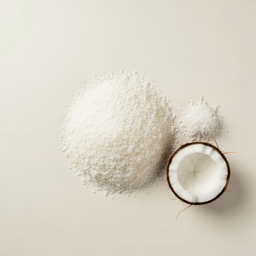
Compact balls of ground almonds, desiccated coconut, cacao powder and almond butter, bound with melted coconut oil. No sugar, no oven, ready in fifteen minutes.
They look like truffles, but without the guilt — though that's not really needed with truffles either. You throw almonds into the food processor until they form a coarse meal, not too fine, you want some bite. Then desiccated coconut, cacao powder, a generous spoonful of almond butter and melted coconut oil. A quick blitz, taste, maybe a pinch more salt. The dough is sticky and dark, smells like brownies that never needed an oven. Roll into balls with damp hands — not too large, two bites each. Roll them through extra coconut or cacao if you like. Half an hour in the fridge, and you've got a stash that lasts the whole week. If you don't eat them first.
- 15
- min prep
- 0
- min cook
- 15
- min total
Nutritional Synergies
This recipe combines ingredients that enhance each other:
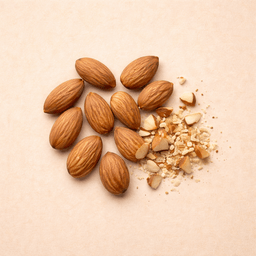 almonds
  cacao powder
 Double magnesium boost: 500mg per 100g combined
Technical: Almonds (270mg magnesium/100g) and cacao (230mg/100g) together provide 500mg magnesium - more than the daily recommendation. Magnesium is crucial for 300+ enzymes, muscle contraction and ATP energy. Cacao also adds theobromine for mild stimulation.
What does this mean for you? Make trail mix with almonds and cacao nibs, or bake chocolate-almond snacks. Ideal for muscle cramps, stress or fatigue.
EnergyMuscle GainStress Relief
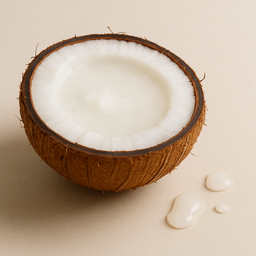 coconut oil almonds
 MCTs improve vitamin E absorption from almonds
Technical: Almonds contain 25mg vitamin E per 100g (167% RDI). Vitamin E is fat-soluble and better absorbed with MCTs that quickly pass the gut wall. Coconut oil contains 60% MCTs serving as transport.
What does this mean for you? Coat almonds with coconut oil and lightly roast for a crunchy snack with improved vitamin E absorption.
Skin & HairAnti-inflammatoryGeneral Wellness
coconut oil cacao powder MCTs increase flavonoid absorption from cacao
Fats increase bioavailability of cocoa flavanols (PMID: 19628108)
Technical: Cacao contains flavanols (epicatechin, catechin) that are fat-soluble. Coconut oil contains 60% MCTs (Medium Chain Triglycerides) that are quickly absorbed and increase the absorption of polyphenols from cacao. MCTs go directly to the liver and are converted to ketones, while flavanols remain available.
What does this mean for you? Add a teaspoon of coconut oil to your hot cocoa or use it in chocolate recipes. This increases not only the creamy texture but also the bioavailability of cacao flavonoids.
HeartFocusAnti-inflammatory
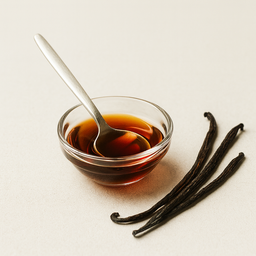 vanilla extract cacao powder
 Vanillin enhances chocolate flavor perception
Technical: Vanillin (the main aroma molecule in vanilla) binds to the same olfactory receptors as chocolate aromatics (pyrazines, Maillard compounds). This enhances perceived chocolate flavor without extra sugar or cocoa. Research shows vanillin increases sweetness perception by 10-15%, requiring less sugar.
What does this mean for you? Add vanilla extract to chocolate baking or hot chocolate. You need less sugar because vanilla enhances the chocolate flavor and sweetness.
General Wellness
vanilla extract 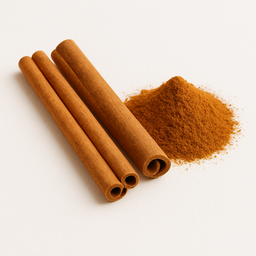 cinnamon
 Vanillin + cinnamaldehyde reduce sugar craving
Technical: Vanillin activates sweet receptors (T1R2/T1R3) without providing calories, increasing perceived sweetness of dishes by 30-40%. Cinnamon's cinnamaldehyde activates AMPK and supports glucose uptake in cells, biochemically reducing sugar cravings. Together they lower the need for added sugar: vanilla makes sweeter (sensory), cinnamon supports glucose balance (metabolic).
What does this mean for you? Add vanilla extract + cinnamon to your coffee, oatmeal or yogurt instead of sugar. Your brain experiences sweetness but your glucose balance stays stable — the smartest way to eat less sugar.
Blood SugarWeight Loss
Instructions
- 1 Put the almonds in a food processor and pulse into a coarse meal — not too long, you still want texture. Add the desiccated coconut, cacao powder, cinnamon and sea salt and pulse briefly.
Nutrition per serving
Indicative values per serving.
Tags & Diet
Allergens: Nuts