- Easy
- 30 min
- 2 serv.
- 8 synergies
- Now at its best: Buckwheat
Fluffy pancakes made from buckwheat flour with fresh blueberries, creamy Greek yogurt and a drizzle of honey. Gluten-free with a subtle nutty flavor that pairs perfectly with the fruit.
Some mornings call for something that feels indulgent yet nourishing. These buckwheat pancakes are exactly that. The batter already smells nutty and warm as it sizzles in the pan, and each pancake develops those signature golden-brown edges that crisp up so beautifully. Stack them high on a plate, spoon generous Greek yogurt over the top, scatter blueberries and let a thin stream of honey flow across. The combination of warm, earthy batter with cool yogurt and bursts of sweet fruit is irresistible — even for those who claim not to be morning people.
- 10
- min prep
- 20
- min cook
- 30
- min total
Nutritional Synergies
This recipe combines ingredients that enhance each other:
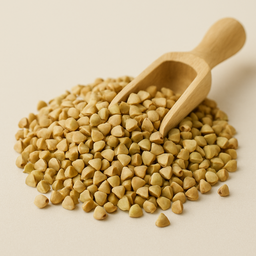 Buckwheat
 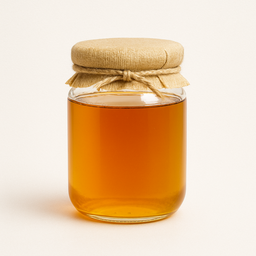 Honey
Honey Rutin from buckwheat + antioxidants from honey for capillary support
Technical: Buckwheat is uniquely rich in rutin (36mg/100g), a flavonoid that reduces capillary fragility and improves venous insufficiency. Buckwheat honey has the highest antioxidant activity of all honey types (ORAC 3x higher than light honey). Together rutin + honey polyphenols offer synergistic vascular protection: rutin strengthens capillary walls while honey antioxidants protect endothelial cells from oxidative damage.
What does this mean for you? Buckwheat pancakes with (preferably buckwheat) honey is a traditional Russian combination with proven vascular protective action. Extra benefit: buckwheat is gluten-free despite its name.
HeartGeneral Wellness
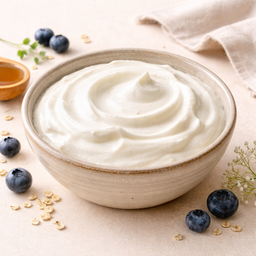 Greek Yogurt
 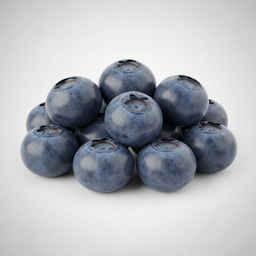 Blueberries
 Probiotics + prebiotic fibers for optimal gut flora
Technical: Greek yogurt provides 1-100 billion CFU probiotics (Lactobacillus, Bifidobacterium). Blueberries contain prebiotic fibers (2.4g/100g) and polyphenols (anthocyanins) that selectively promote growth of beneficial bacteria. This synbiotic effect increases production of short-chain fatty acids (butyrate, propionate) by 20-40%.
What does this mean for you? Greek yogurt with blueberries is an ideal synbiotic combination. The yogurt provides good bacteria, the berries feed them — together they support your gut flora.
DigestionImmune SystemAntioxidants
Greek Yogurt Honey Prebiotic honey feeds probiotic bacteria in yogurt (synbiotic effect)
Synbiotics improve probiotic survival (PMID: 16633129)
Technical: Greek yogurt contains live probiotics (Lactobacillus, Streptococcus). Honey contains oligosaccharides and FOS acting as prebiotics. This 'synbiotic' — pre- and probiotics together — increases survival and colonization of probiotic bacteria in the gut by 10-100x. The prebiotic fibers give bacteria nutrition to multiply.
What does this mean for you? Add raw honey to your Greek yogurt. The honey doesn't just sweeten — it literally feeds the good bacteria from the yogurt so they survive in your gut.
DigestionImmune System
Greek Yogurt 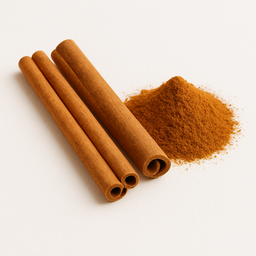 Cinnamon
 Probiotics + AMPK activation for metabolic balance
Cinnamon improves insulin sensitivity (PMID: 20854384)
Technical: Greek yogurt has a low GI (11-14) and contains probiotics that influence insulin sensitivity via the gut-pancreas axis. Cinnamon contains MHCP (methylhydroxy chalcone polymers) that activate AMPK and sensitize insulin receptors. Together they modulate postprandial glycemic response.
What does this mean for you? Add a teaspoon of cinnamon to your Greek yogurt. The cinnamon contains bioactive polyphenols that activate AMPK, the yogurt keeps your blood sugar low anyway — together they keep your energy level stable.
Blood SugarDigestionWeight Loss
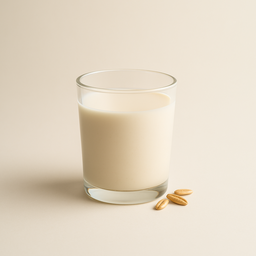 Oat Milk Honey
 Beta-glucans + prebiotics for gut flora and lipid profile
Technical: Oat milk contains beta-glucans that work as prebiotics and bind bile acids in the gut. Honey contains FOS (fructo-oligosaccharides) feeding Bifidobacterium and Lactobacillus. Together they support the gut microbiome from two angles: prebiotic fiber + prebiotic sugars.
What does this mean for you? Oat milk with a spoon of honey is a double prebiotic combination. The beta-glucans from the oats and the FOS from the honey both feed your beneficial gut bacteria.
DigestionHeartEnergy
Oat Milk Cinnamon Double glycemic balance
Technical: Oat milk contains beta-glucans (soluble fiber) that form a gel in the gut and slow carbohydrate absorption by 20-30%. Cinnamon contains methylhydroxychalcone polymers (MHCP) that activate insulin receptors and stimulate GLUT4 transporters. Two different mechanisms, same glycemic goal.
What does this mean for you? Oat milk with cinnamon is a smart combination for smoothies, oat milk latte or porridge. The dual glycemic support means longer energy after breakfast without peaks and valleys.
Blood SugarEnergy
Cinnamon Honey Traditional warm combination of cinnamon and honey
Technical: Cinnamon contains cinnamaldehyde and proanthocyanidins with bioactive action via cell wall disruption. Honey's glucose oxidase produces hydrogen peroxide with bioactive action, while honey's high viscosity forms a physical barrier. Two independent bioactive mechanisms that work more broadly together.
What does this mean for you? Cinnamon + honey in warm tea — a classic combination. Both have bioactive action via different pathways — broader together than alone.
Immune System
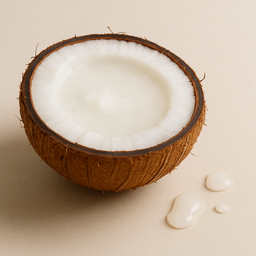 Coconut Oil Honey
 MCTs protect honey enzymes — complementary bioactive compounds
Technical: Coconut oil contains lauric acid (48%), a medium-chain fatty acid (MCT). Honey contains glucose oxidase producing hydrogen peroxide. Together they provide complementary bioactive compounds. MCTs also help preserve fat-soluble compounds in honey.
What does this mean for you? Combine coconut oil with honey in energy balls, granola or as coating for snacks. The combination is both flavorful and functional.
Immune SystemEnergyDigestion

Instructions
- 1 Mix buckwheat flour, baking powder, cinnamon and sea salt in a bowl. Beat eggs and oat milk and add to the flour. Stir until smooth and let rest for 5 minutes.
Nutrition per serving
Indicative values per serving.
Timing & Suitability
Shelf life: 2 days in fridge
Tags & Diet
Allergens: Eggs, Dairy