- Easy
- 70 min
- 4 serv.
- 10 synergies
- Now at its best: Beetroot
A deep, colourful soup with roasted beetroot, onion, garlic, potato and thyme, finished with balsamic vinegar, creamy goat cheese and crunchy walnuts.
The beets go into the oven first, where their earthy flavour softens and sweetens while the edges darken and caramelise. Then they slip into a pot with thyme, potato and broth until everything becomes a deep ruby-red soup. The balsamic vinegar pulls forward the beetroot’s sweetness, while the goat cheese on top slowly softens and leaves creamy white streaks through the red. Walnuts add just enough crunch to keep the bowl from feeling flat. This is a soup for a beautiful lunch or a light dinner: elegant, warm, earthy and still fresh enough not to feel heavy.
- 15
- min prep
- 55
- min cook
- 70
- min total
Nutritional Synergies
This recipe combines ingredients that enhance each other:
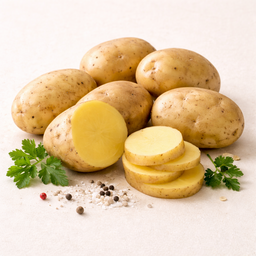 Potato
  Extra virgin olive oil
 Olive oil improves carotenoid absorption from yellow potatoes
Technical: Yellow potato varieties contain up to 400μg carotenoids per 100g, including lutein and violaxanthin. These are fat-soluble and only 5-10% absorbed without fat. Olive oil's oleic acid (73%) forms mixed micelles increasing absorption up to 3x.
What does this mean for you? Roast or fry potatoes in olive oil — this significantly increases carotenoid absorption. Choose yellow varieties for maximum effect.
General WellnessSkin & Hair
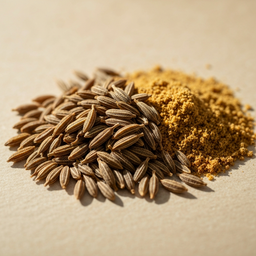 Ground cumin
 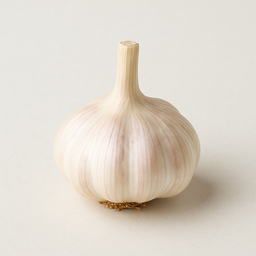 Garlic
 Double digestive support: enzymes + bioactive compounds
Technical: Cumin promotes digestive enzyme activity (amylase, lipase, protease) and increases bile flow. Garlic's allicin has broad bioactivity targeting pathogenic gut bacteria while sparing beneficial ones.
What does this mean for you? Fry garlic and cumin together as base for curries, soups and stews. Classic combination in virtually every cuisine in the world.
DigestionImmune System
Ground cumin Extra virgin olive oil Fat activates volatile oils and increases cuminaldehyde absorption
Technical: Cumin's active compounds (cuminaldehyde, cymene, terpinene) are volatile, fat-soluble compounds. Frying in olive oil extracts and stabilizes these compounds, and the fat improves their gut absorption.
What does this mean for you? Briefly fry cumin in olive oil before adding other ingredients (tadka/tempering). This is why Indian and Middle Eastern cuisines always fry cumin in oil.
DigestionAnti-inflammatoryBlood Sugar
Extra virgin olive oil 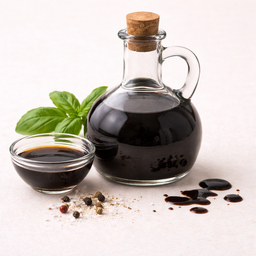 Balsamic vinegar
 Italian vinaigrette: polyphenols + acetic acid influence glycemic response
Technical: Olive oil contains oleocanthal and hydroxytyrosol (polyphenols with antioxidant action). Balsamic contains polyphenols from grapes plus acetic acid that can influence glycemic response to meals through delayed gastric emptying. Together they offer antioxidant protection via complementary phenol compounds.
What does this mean for you? Use the classic 3:1 olive oil:balsamic ratio as salad dressing. This is not only delicious but also combines two sources of polyphenols with acetic acid that influences the glucose response after the meal.
Blood SugarHeartAnti-inflammatory
Extra virgin olive oil Garlic Aglio e olio: allicin + oleocanthal via complementary biochemical pathways
Technical: Garlic contains allicin (formed when cutting/crushing) that influences HMG-CoA reductase (involved in lipid metabolism). Olive oil contains oleocanthal that modulates COX-1/2 enzymes. Together they influence lipid metabolism and prostaglandin cascade via complementary biochemical pathways. The fat also helps absorb fat-soluble garlic compounds.
What does this mean for you? Gently warm garlic in olive oil (don't burn!) as the base for many dishes. This is why 'aglio e olio' pasta is so beloved — two bioactive compounds that reinforce each other.
HeartImmune System
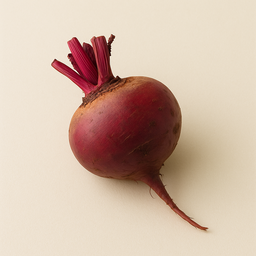 Beetroot
 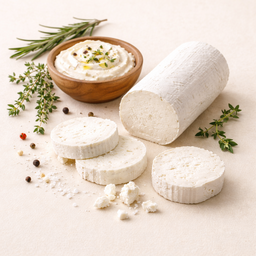 Soft goat cheese
 Protein + minerals complement betalains
Technical: Goat cheese provides 22g protein and 500mg calcium per 100g. The fats (21g) in cheese increase absorption of fat-soluble betalains from beetroot. The salty taste also balances the earthy sweetness of the beet.
What does this mean for you? Combine roasted beetroot with crumbled goat cheese or feta, walnuts and some balsamic. A classic salad that's also nutritionally well-composed — cheese fat makes betalains more absorbable.
HeartMuscle Gain
Beetroot Ground cumin Iron + digestive enzymes: minerals and digestion
Technical: Red beet contains 0.8mg iron per 100g plus betalains (bioactive pigments). Cumin activates digestive enzyme release and increases nutrient absorption. Cumin also contains iron (66mg/100g dried) and thymol that modulates NF-κB signaling.
What does this mean for you? Sprinkle roasted beets with ground cumin. The earthy flavors combine perfectly and iron sources stack up. Ideal in salads or as a side dish.
DigestionEnergyAnti-inflammatory
Beetroot 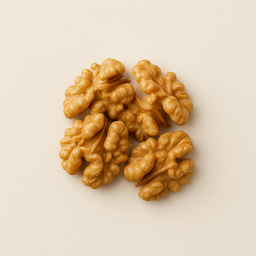 Walnuts
 Nitrates + ALA omega-3: complementary vascular pathways
Technical: Beetroot provides nitrates converted via the nitrate-nitrite-NO pathway to nitric oxide (NO), involved in vasodilation. Walnuts contain 9g ALA omega-3 per 100g — an essential fatty acid. Together they influence vascular physiology via two routes: NO signaling and omega-3 fatty acid metabolism.
What does this mean for you? Make a salad of roasted beetroot with walnuts, goat cheese and arugula. Beetroot for NO production, walnuts for omega-3 — two complementary vascular pathways in one salad.
HeartAnti-inflammatory
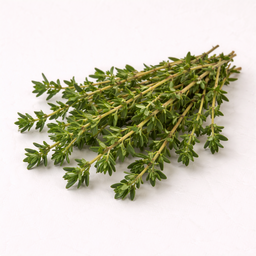 Fresh thyme Garlic
 Double bioactive action via complementary mechanisms
Technical: Thyme's thymol disrupts cell membranes of microorganisms via lipophilic insertion. Garlic's allicin inhibits microbial enzymes (cysteine proteases). Two independent bioactive mechanisms — membrane disruption (thyme) + enzyme inhibition (garlic) — provide broader spectrum coverage than each ingredient alone.
What does this mean for you? Use thyme and garlic together in sauces, soups and marinades. Two bioactive ingredients working through different routes — the foundation of Provençal cuisine.
Immune System
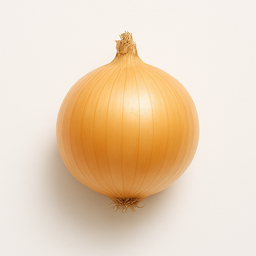 Onions Garlic
 More than 20 organosulfur compounds in one soffritto
Technical: Onion contains diallyl disulfide and quercetin (20-40mg/100g). Garlic contains allicin, ajoene and S-allylcysteine. Together they provide more than 20 different organosulfur compounds that modulate NF-κB. Allium crops are intensively studied in nutrition science for their unique sulfur chemistry.
What does this mean for you? Start every dish with sautéed onion and garlic — not just for flavor, but for the unique concentration of organosulfur compounds. Cut garlic 10 minutes before heating to allow allicin formation.
DigestionImmune System
Ingredients (11)
- Beetroot — 600 g peeled and cut into wedges
- Onions — 2 pcs quartered
- Garlic — 4 cloves unpeeled for roasting
Instructions
- 1 Preheat the oven to 200°C.
- 2 Toss the beetroot, onion and unpeeled garlic on a baking sheet with olive oil, cumin, salt and pepper.
Nutrition per serving
Indicative values per serving.
Timing & Suitability
Shelf life: 4 days in fridge
Tags & Diet
Allergens: Dairy, Nuts