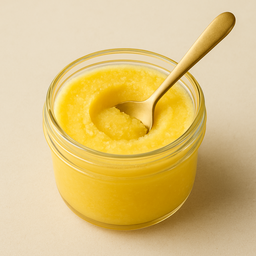
Ghee
Clarified butter with a nutty flavor and high smoke point
What is this ingredient?
Ghee (from Sanskrit, often linked with the idea of 'sprinkled' or carefully prepared fat) is butter heated slowly until the water evaporates and the milk solids separate. What remains is a clear, golden fat with a full, nutty butter flavor and a long culinary history in India, the Middle East and other food cultures. Because water and milk proteins are removed, ghee has a higher smoke point than regular butter, often around 250°C compared with about 177°C for butter. That makes it well suited to frying, sautéing, stir-frying, finishing rice dishes and blending with spices. Ghee is mainly fat, with small amounts of fat-soluble vitamins and naturally occurring butyric acid (butyrate), a short-chain fatty acid that also appears in scientific research on the intestinal environment. In Ayurveda and related culinary traditions, ghee is valued as a cooking fat and as a carrier for herbs and spices, without implying a medical use.
How does it taste?
Rich and nutty with a deep, caramel-like butter flavor.
Pairs well with:
Pairs well with ricedalchapatispices and sweet potato.
Varieties
Regular ghee
Made from standard butter; the most common variety with a mild, buttery flavor.
Grass-fed ghee
Made from grass-fed butter; often more yellow in color and more aromatic.
Cultured ghee
Made from fermented cream or butter; usually has a deeper, more complex flavor.
Did you know...?
- Ghee has been used in India for over 5,000 years and has a special place in Hinduism.
- Ghee is clarified butter: water and milk solids are removed, making it last longer than regular butter.
- In Ayurveda, ghee is seen as a valued traditional cooking fat with an important role in classic recipes.
Nutritional Value & Energy
Per 100g
Ghee provides energy thanks to natural nutrients .
Per 100g
Minerals
Vitamins
Omega-3 fatty acids
More nutrients
B-Vitamins
Trace Minerals
What's in a serving?
1 tablespoon
Ghee naturally contains vitamin E (15 mg per 100 g).
% of daily reference intake (DRI)
EU-approved nutrition claims
This ingredient contains nutrients for which EFSA-authorized health claims exist (at nutrient level, not ingredient-specific).
Approved health claims (EU)
Vitamin_e EU 432/2012
Vitamin E contributes to the protection of cells from oxidative stress
Contains 15mg/100g (threshold: ≥1.8mg/100g)
What's being researched?
Ghee and butyrate in nutrition research
Ghee naturally contains butyric acid (butyrate), a short-chain fatty acid discussed in scientific literature in relation to the intestinal environment. Research on ghee as a specific ingredient is more limited than research on butyrate itself.
Supported by: [1] Cao Y (2024) , [2] Tan T (2023)
Good Combinations (Synergy)
Combine ghee smartly to enhance the effect:
Ghee 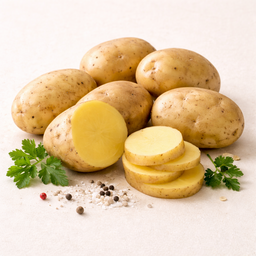 Potato
 Better absorption of carotenoids and vitamin A
Technical: Yellow potatoes contain up to 400μg carotenoids per 100g (lutein, zeaxanthin). Butter provides saturated fats (52g/100g) plus its own vitamin A (684μg retinol). Saturated fats improve micelle formation for carotenoid absorption up to 3x. Butter also contains butyrate precursors that nourish colonocytes.
What does this mean for you? Butter on your potato isn't just tasty — it increases carotenoid absorption up to 3x. Choose yellow potato varieties for the most beta-carotene.
Ghee 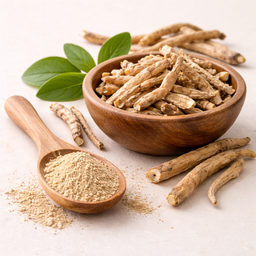 Ashwagandha
 Ayurvedic combination: fat increases withanolide absorption
Fat-soluble withanolides have improved bioavailability with dietary fat (Ayurvedic preparation principles)
Technical: Ashwagandha contains withanolides (steroidal lactones) that are fat-soluble. Ghee contains short- and medium-chain fatty acids that are quickly absorbed and serve as carriers for fat-soluble compounds. In the Ayurvedic tradition, ashwagandha has been prepared with ghee for centuries for improved absorption.
What does this mean for you? Take your ashwagandha with a teaspoon of ghee or with a meal containing ghee. The fat from ghee serves as carrier for the fat-soluble withanolides.
Ghee 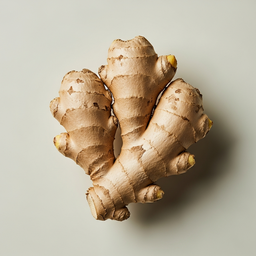 Ginger
 Ayurvedic digestive: gingerols + butyrate via complementary pathways
Technical: Ginger contains gingerols and shogaols that activate digestive enzymes and speed up gastric emptying. Ghee contains butyrate that nourishes gut epithelial cells. In the Ayurvedic tradition, this combination is used to activate 'agni' (digestive fire) and to better absorb fat-soluble gingerols.
What does this mean for you? Briefly sauté fresh ginger in ghee at the start of a meal, or add both to your rice or vegetables. This is a traditional Ayurvedic combination that combines two complementary pathways for your digestion.
Ghee 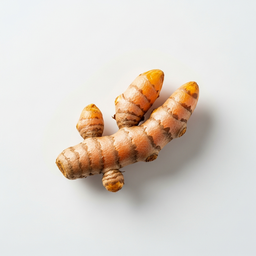 Turmeric
 Traditional Ayurvedic combination for maximum curcumin absorption
Technical: Curcumin is fat-soluble with only ~1% bioavailability without dietary fat. Ghee contains short- and medium-chain fatty acids that are rapidly absorbed, plus butyrate that nourishes gut epithelial cells. The saturated fats in ghee form stable micelles that make curcumin 7-8x more absorbable. In the Ayurvedic tradition, turmeric has been combined with ghee for 3000+ years (haldi doodh).
What does this mean for you? Melt a teaspoon of ghee and stir in turmeric and black pepper — this is the basis of 'golden milk' and one of the oldest food combinations in the world. Without the fat, you absorb almost none of the curcumin.
Ghee 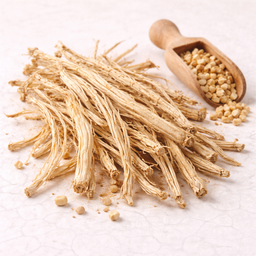 Shatavari
 Traditional Ayurvedic combination for hormonal balance
Technical: Shatavari (Asparagus racemosus) contains steroidal saponins (shatavarins) that modulate estrogen receptors and support hormonal balance as an adaptogen. These saponins are fat-soluble. Milk/ghee provides fats increasing absorption. This is the principle of Ayurvedic 'anupana' — the carrier system.
What does this mean for you? Take shatavari with warm milk or ghee, as in Ayurvedic tradition. The milk fat helps your body better absorb the active compounds.
Recipes with Ghee
Discover delicious recipes featuring ghee:
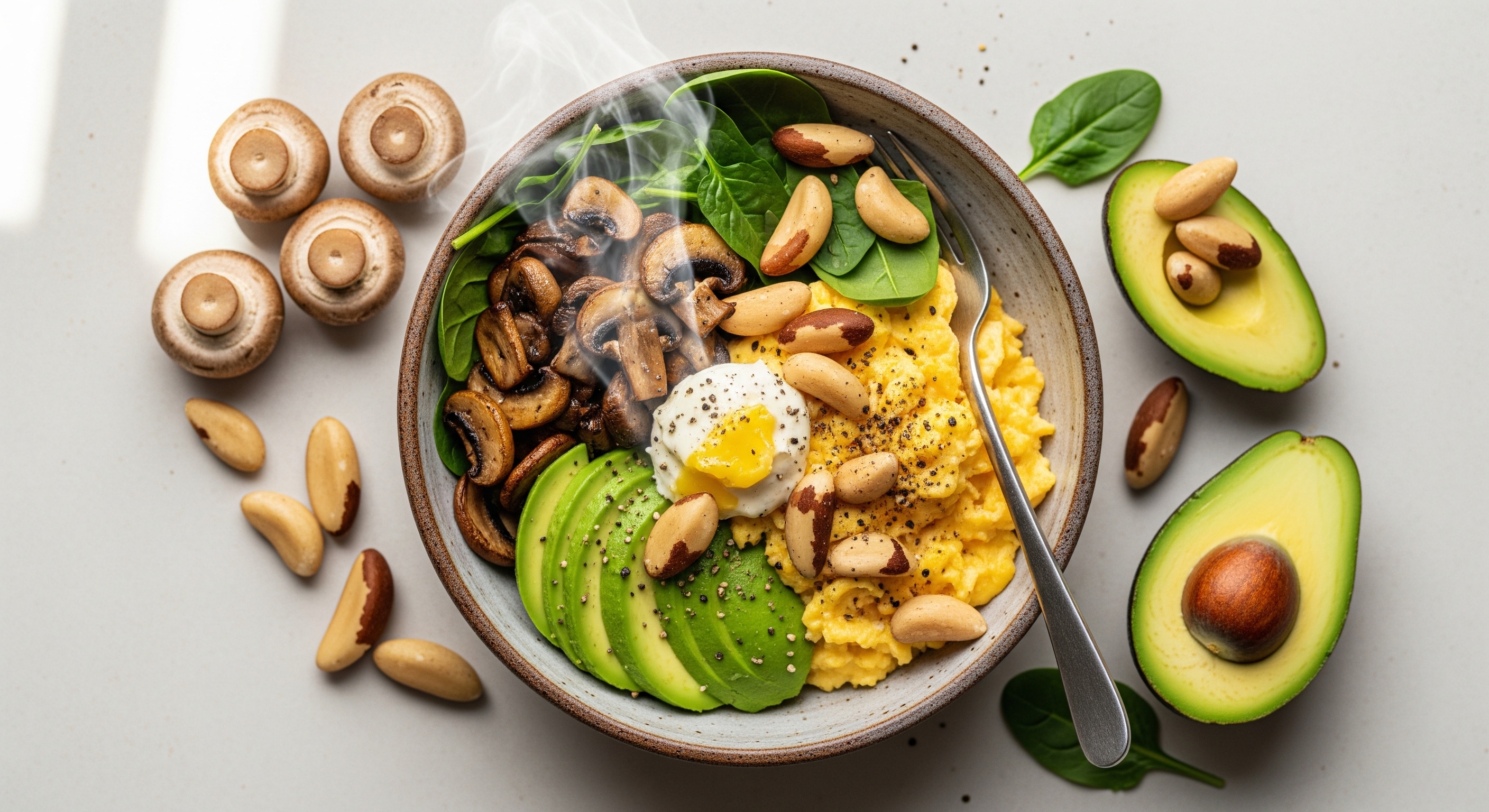 Mushroom Egg Bowl with Brazil Nuts 15 min Rich, earthy and nutty with fried egg
  395 kcal
  18g protein 2 synergies
 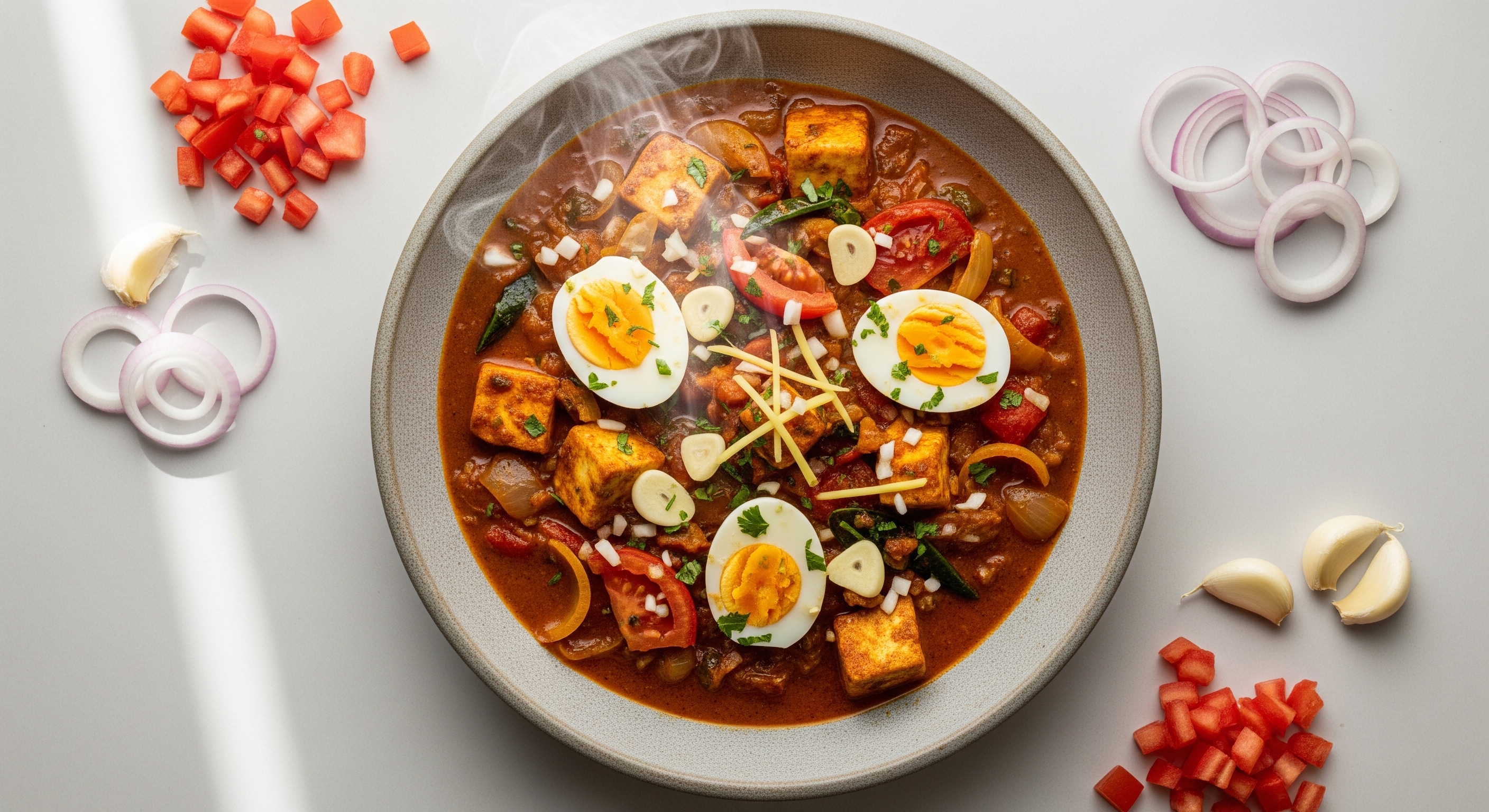 Egg and Paneer Curry with Tomato and Spinach 35 min Creamy, spiced and full of flavour 510 kcal 36g protein 2 synergies
 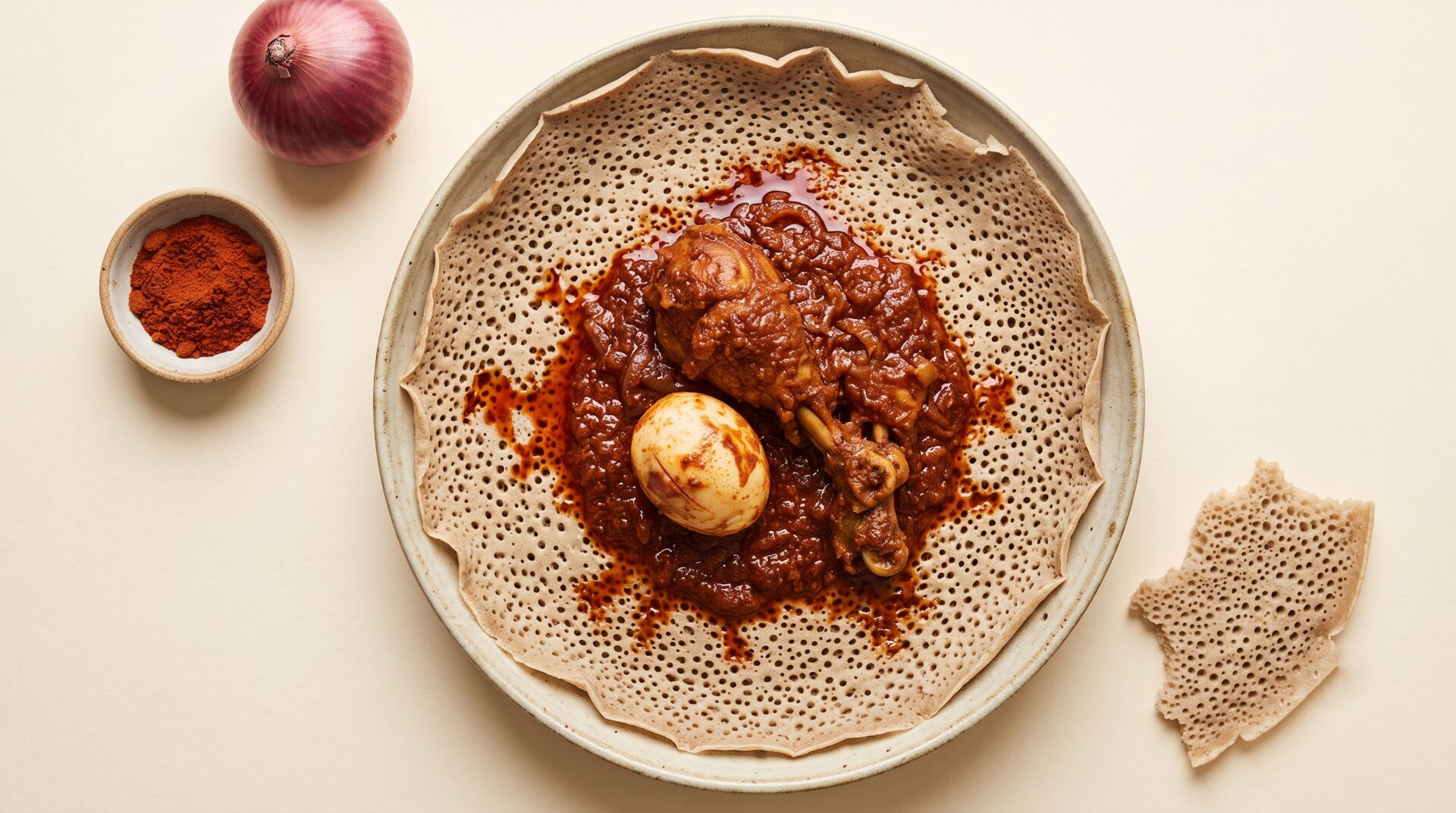 Ethiopian Doro Wat with Injera-Style Flatbread 80 min Festive chicken stew with berbere and homemade buckwheat flatbread 712 kcal 44g protein 2 synergies
 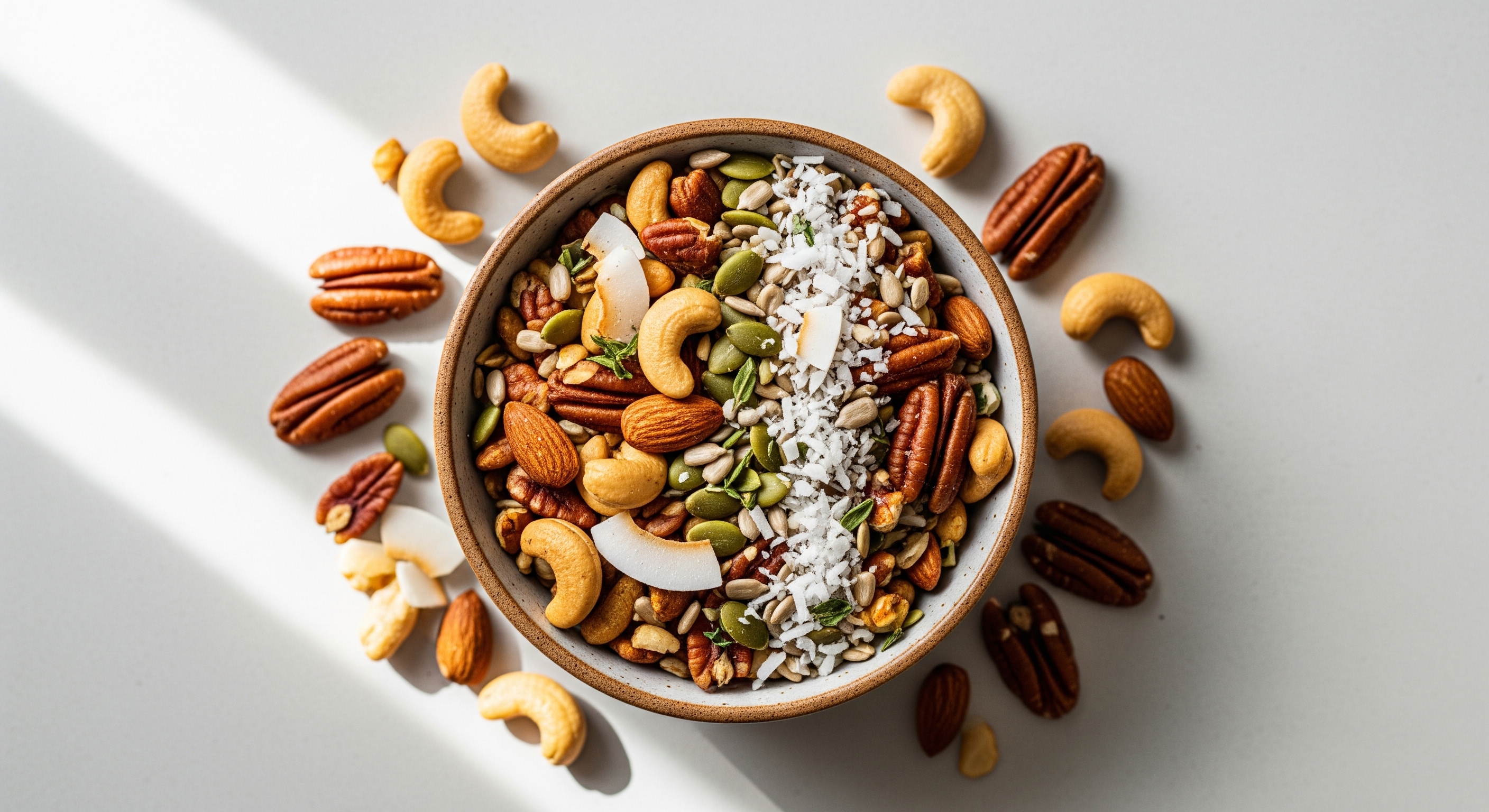 Savory Spiced Nut Mix with Herbs & Coconut 25 min Roasted nuts and seeds with spices, coconut flakes and a hint of cayenne 478 kcal 14g protein 1 synergies
 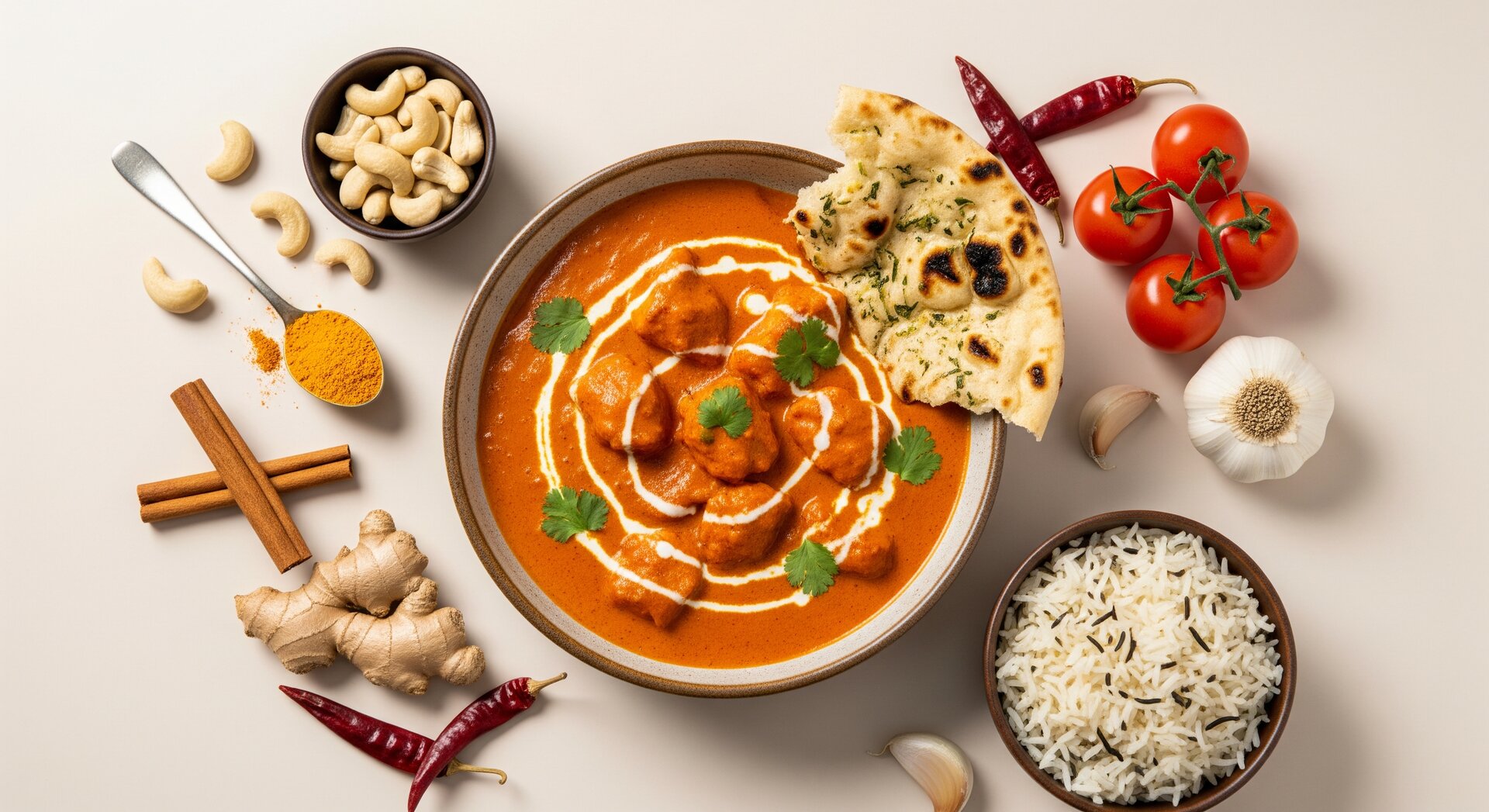 Indian Butter Chicken 70 min Creamy tomato-spice sauce with tender chicken 380 kcal 32g protein 2 synergies
 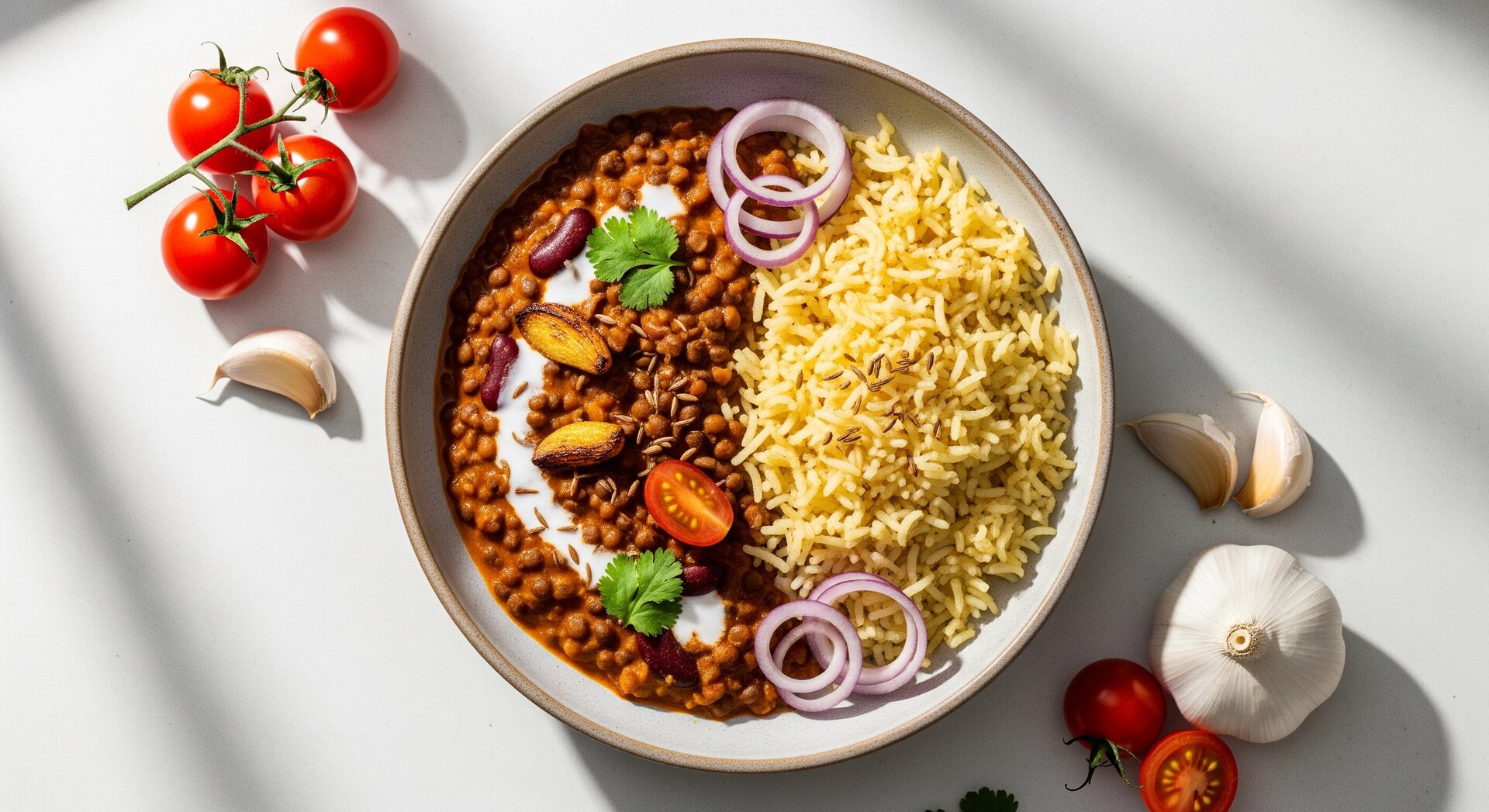 Indian Dal Makhani with Ghee Rice 75 min Creamy black lentil stew with kidney beans and ghee rice 756 kcal 28g protein 2 synergies
  In the Kitchen
Storage
Location:Pantry
Shelf life:3-6 maanden op kamertemperatuur, 1+ jaar in koelkast
Because of its low water content, ghee usually does not need refrigeration. Store it airtight, dark and dry, and always use a clean spoon to preserve flavor and shelf life.
Preparation
Ideal for frying, sautéing and stir-frying thanks to its high smoke point of about 250°C. The nutty butter flavor pairs well with rice, dal, roasted vegetables, eggs, naan and warm spices such as turmeric, cumin and cardamom.
Conversions
Substitutes
Smart preparation
1Use ghee for high-heat cooking; it foams and browns less quickly than regular butter.
Why?
During clarification, water and milk solids are largely removed, raising the smoke point to around 250°C.
2Store ghee at room temperature in an airtight jar, away from moisture, heat and direct light.
3Make ghee yourself by slowly melting butter, skimming off the foam and carefully pouring off the clear fat.
Caution / Warnings
Ghee is very safe, but there are scientific considerations:
Severe dairy intolerance Mild
Ghee usually contains only traces of casein, but very sensitive people may still react.
Advice:
With a severe casein allergy: try a small amount first in consultation with a professional, or choose ghee explicitly tested as 100% casein-free.
Cardiovascular disease Moderate
Ghee is high in saturated fat, so it is best used as a small, flavorful cooking fat within your overall dietary pattern.
Advice:
Use ghee moderately, for example 1 tablespoon per preparation, and count it within your daily saturated fat intake.
Traditional use
Ayurveda
Ghee in Ayurveda
In Ayurveda, ghee is described as a sattvic cooking fat and as a carrier for herbs in classic recipes. It also plays a role in rituals, warm drinks and rice dishes.
Islamic tradition
Ghee (samneh) in Arab tradition
Clarified butter, often called samneh, has been a foundation in Arab and Levantine cooking for centuries. You find it in rice dishes, pastries, savory fillings and festive family dishes.
Summary
Ghee is a rich, nutty cooking fat with a high smoke point of about 250°C. It is clarified butter: water and milk solids are largely removed, making it shelf-stable and well suited to frying, sautéing, stir-frying, rice, dal and spices. Grass-fed ghee can be more yellow and more aromatic. Use it as a flavorful fat in small portions, for example 1 tablespoon per preparation.