- Easy
- 33 min
- 2 serv.
- 7 synergies
- Now at its best: Dates
A hearty Moroccan salad with warm chickpeas spiced with cumin, paprika and cinnamon, sweet dates, carrot and fresh parsley and mint.
The kitchen fills with the scent of cumin and cinnamon as the spices hit the hot olive oil. Garlic and red onion go in, then the chickpeas which you gently stir through the spiced oil. The carrot cubes were already steamed tender-crisp and join in. Halfway through you add the dates — chopped, sweet and sticky — and a squeeze of lemon juice that freshens everything up. Off the heat, a handful of fresh parsley and mint stirred through, and the salad steams on your plate: warm, aromatic and comforting. The kind of dish that tastes like your grandmother made it.
- 15
- min prep
- 18
- min cook
- 33
- min total
Nutritional Synergies
This recipe combines ingredients that enhance each other:
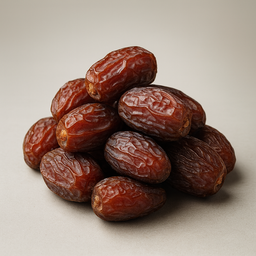 Dates
Dates 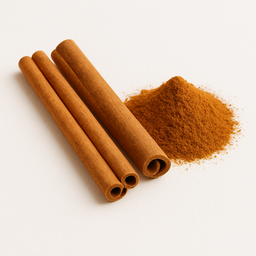 Cinnamon
 Cinnamon dampens the glycemic response of dates
Cinnamon improves glucose metabolism (PMID: 20854384)
Technical: Dates have a high GI (42-55 depending on variety). Cinnamon contains methylhydroxychalcone polymers (MHCP) that activate insulin receptors and stimulate GLUT4 transporters, accelerating glucose uptake into cells. Cinnamon also slows gastric emptying, further dampening the glycemic peak. Together: cinnamon compensates the sugar spike of dates via receptor activation and delayed gastric passage.
What does this mean for you? Fill dates with cinnamon-almond paste, or sprinkle cinnamon on dates as a snack. The cinnamon turns these natural sweets into a more stable energy source. Use Ceylon cinnamon for the best result.
Blood SugarEnergy
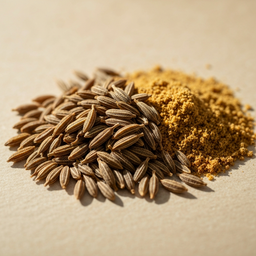 Cumin
Cumin 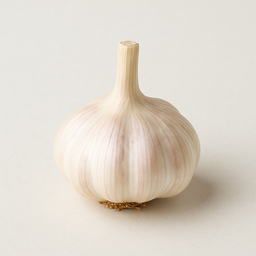 Garlic
 Double digestive support: enzymes + bioactive compounds
Technical: Cumin promotes digestive enzyme activity (amylase, lipase, protease) and increases bile flow. Garlic's allicin has broad bioactivity targeting pathogenic gut bacteria while sparing beneficial ones.
What does this mean for you? Fry garlic and cumin together as base for curries, soups and stews. Classic combination in virtually every cuisine in the world.
DigestionImmune System
Cumin  Olive Oil
 Fat activates volatile oils and increases cuminaldehyde absorption
Technical: Cumin's active compounds (cuminaldehyde, cymene, terpinene) are volatile, fat-soluble compounds. Frying in olive oil extracts and stabilizes these compounds, and the fat improves their gut absorption.
What does this mean for you? Briefly fry cumin in olive oil before adding other ingredients (tadka/tempering). This is why Indian and Middle Eastern cuisines always fry cumin in oil.
DigestionAnti-inflammatoryBlood Sugar
Olive Oil Garlic Aglio e olio: allicin + oleocanthal via complementary biochemical pathways
Technical: Garlic contains allicin (formed when cutting/crushing) that influences HMG-CoA reductase (involved in lipid metabolism). Olive oil contains oleocanthal that modulates COX-1/2 enzymes. Together they influence lipid metabolism and prostaglandin cascade via complementary biochemical pathways. The fat also helps absorb fat-soluble garlic compounds.
What does this mean for you? Gently warm garlic in olive oil (don't burn!) as the base for many dishes. This is why 'aglio e olio' pasta is so beloved — two bioactive compounds that reinforce each other.
HeartImmune System
 Paprika powder (sweet) Olive Oil
 3x better carotenoid absorption with fats
Technical: Paprika powder is extremely rich in carotenoids: beta-carotene, capsanthin and cryptoxanthin. These are all fat-soluble with only 5-10% absorption without fat. Olive oil or butter create micelles increasing absorption up to 3x. Additionally, vitamin E from olive oil protects carotenoids from oxidation.
What does this mean for you? Always briefly fry paprika powder in oil or butter before adding liquid. This activates the color and increases vitamin absorption up to 3x — the basis of Hungarian goulash.
Skin & HairImmune System
 Red Onion Olive Oil
 Fat increases bioavailability of quercetin from red onion
Technical: Red onion contains 32-65mg quercetin per 100g — the richest food source. Quercetin is poorly water-soluble (2μg/mL) but dissolves well in fats. Olive oil increases quercetin oral bioavailability by 50-70% through lipid-based lymphatic transport instead of the portal vein.
What does this mean for you? Sauté red onion in olive oil (soffritto) for maximum quercetin absorption. Oil dissolves quercetin and improves transport to your bloodstream. Caramelizing also enhances flavor.
Anti-inflammatoryHeart
 Carrot Olive Oil
 Up to 5x more beta-carotene absorption
Technical: Carrot contains 8285μg beta-carotene per 100g, but bioavailability from raw carrot is only 3-4%. Heating + olive oil increases this to 20-25%. Oleic acid (73% of olive oil) forms mixed micelles that efficiently transport beta-carotene to enterocytes for absorption.
What does this mean for you? Roast carrots with olive oil or eat them in a salad with dressing. Without fat you absorb only 3% of beta-carotene — with olive oil up to 5x more.
Skin & HairFocusImmune System
Ingredients (12)
+9 more ingredients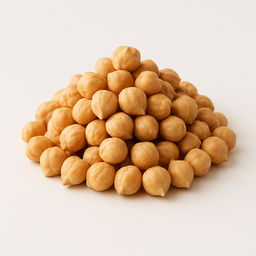
Instructions
- 1 Steam or boil the carrot cubes for 8-10 minutes until tender-crisp. Drain.
Nutrition per serving
Indicative values per serving.
Timing & Suitability
Shelf life: 2 days in fridge