- Medium
- 65 min
- 2 serv.
- 5 synergies
- Now at its best: Carrot
Crisply toasted baguette filled with soy-honey chicken, quick do chua pickles of carrot and daikon, fresh cilantro and a spicy yogurt sauce. The sweet-sour pickles and tender meat make this sandwich irresistible.
The secret of a good bánh mì lies in the texture contrasts. It starts with the bread — airy inside, crispy outside, lightly toasted so it cracks when you bite in. Then the chicken: a night (or at least half an hour) in soy sauce and honey, then on high heat until the edges caramelize and the center stays juicy. Next the do chua: julienne of carrot and daikon that you sit in rice vinegar with a splash of honey for twenty minutes — crunchy, sweet-sour, exactly the counterpart of the salty meat. On top fresh cilantro that pops when you chew, rings of red chili for a warm kick, and a spoonful of yogurt sauce with chili powder that ties everything together. This is not a salad-in-bread. This is a sandwich that tastes like you bought it on a street corner in Saigon.
- 50
- min prep
- 15
- min cook
- 65
- min total
Nutritional Synergies
This recipe combines ingredients that enhance each other:
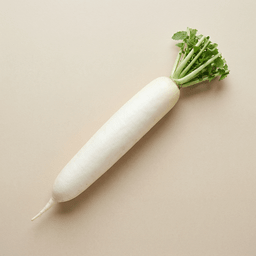 Daikon (Japanese Radish)
 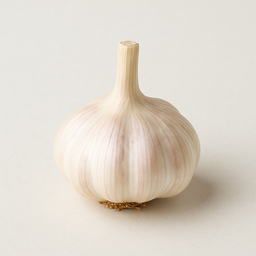 Garlic
 Complementary bioactive sulfur compounds: isothiocyanates + allicin
Isothiocyanates and allicin have complementary antimicrobial spectra (PMID: 18345631)
Technical: Daikon glucosinolates are converted by myrosinase into isothiocyanates that influence Gram-negative bacteria (E. coli, Pseudomonas) via thiol-reactive mechanisms. Allicin from garlic primarily acts on Gram-positive bacteria (Staphylococcus, Streptococcus) via sulfhydryl enzyme inhibition. Together they cover a broad spectrum of bioactive sulfur pathways.
What does this mean for you? Grated daikon with garlic (like in Japanese ponzu sauce) combines two types of bioactive sulfur compounds. Both work through organosulfur chemistry but target different pathways.
Immune SystemDigestion
Garlic 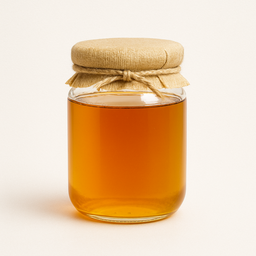 Honey
Honey Fermented: allicin + bee defensin in traditional condiment
Technical: Raw garlic contains alliin converted by alliinase to allicin — an organosulfur compound with bioactive properties — when cut. Raw honey contains hydrogen peroxide, bee defensin-1 and methylglyoxal. Fermenting garlic in honey increases bioavailability of S-allylcysteine (SAC), a more stable bioactive metabolite.
What does this mean for you? Submerge raw garlic cloves in raw honey and ferment for 2-4 weeks. You get a traditional condiment with concentrated bioactive compounds — an ancient fermentation technique that increases bioavailability.
Immune System
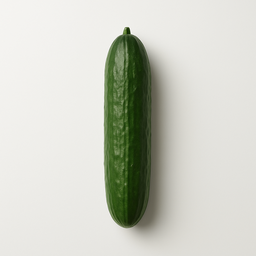 Cucumber
 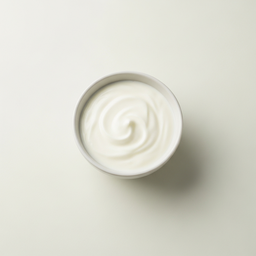 Yogurt
 Tzatziki: hydration + probiotics for digestion
Technical: Cucumber is 96% water and contains silicon (involved in collagen synthesis), potassium (147mg/100g) and cucurbitacins — bioactive triterpenoids. Yogurt provides probiotics (Lactobacillus, Streptococcus thermophilus) that feed gut flora. Cucumber's cooling action also reduces TRPV1 receptor stimulation by capsaicin.
What does this mean for you? Tzatziki with spicy food isn't coincidence — cucumber cools, yogurt soothes, and probiotics support digestion. Serve with spicy dishes for optimal comfort.
DigestionSkin & Hair
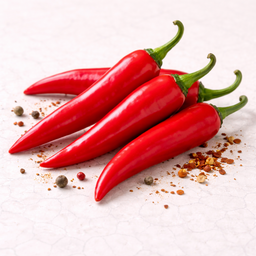 Red Chili Pepper (Fresh) Garlic
 Capsaicin + allicin: complementary bioactive sulfur pathways
Technical: Capsaicin from red pepper inhibits bacterial biofilm formation and is effective against H. pylori via TRPV1 receptor activation. Garlic's allicin works via thiol enzyme inhibition and has bioactive action against gram-positive bacteria. Together they cover a broader spectrum of bioactive pathways. Capsaicin also stimulates mucus production in the GI tract.
What does this mean for you? Red pepper with garlic is the base of countless cuisines worldwide — from sambal to harissa. Not just tasty heat, but also two complementary bioactive pathways in one spice combination.
Immune SystemAnti-inflammatory
Yogurt Honey Synbiotic duo: prebiotic honey feeds probiotics from yogurt
Technical: Yogurt contains live probiotics that support gut flora diversity. Raw honey contains prebiotic oligosaccharides serving as food for these probiotics, plus glucose oxidase producing hydrogen peroxide. This synbiotic effect — honey feeds beneficial bacteria — provides complementary action that neither ingredient offers alone.
What does this mean for you? Use raw (unheated) honey in your yogurt. The honey is more than a sweetener — it actively feeds the beneficial bacteria from the yogurt, forming a synbiotic combination.
DigestionImmune System
Ingredients (13)
-
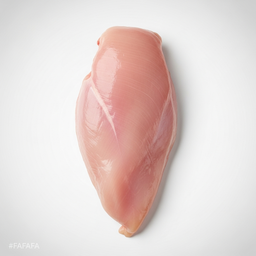 Chicken breast — 250 g
 -
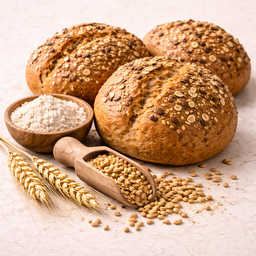 Baguette rolls — 2 pcs Vietnamese or French baguette
 -
 Carrot — 2 pcs julienned
Instructions
- 1 Mix the soy sauce, 2 tablespoons honey and the minced garlic in a bowl. Place the chicken breast in it and marinate for at least 30 minutes (or overnight in the fridge for even more flavor).
- 2 Cut the carrot and daikon into fine julienne. Mix the rice vinegar with 1 tablespoon honey and a pinch of salt, pour over the vegetables and let sit for 20 minutes. The pickles become crunchy sweet-sour.
Nutrition per serving
Indicative values per serving.
Timing & Suitability
Shelf life: 1 days in fridge
Tags & Diet
Allergens: Gluten, Soy, Dairy