- Medium
- 35 min
- 2 serv.
- 8 synergies
- Now at its best: Pumpkin Seeds
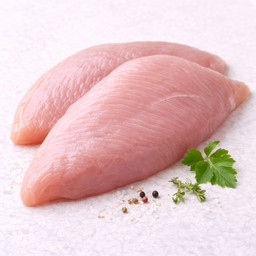
Thin slices of turkey fillet rolled with courgette and fresh pumpkin seed pesto, pan-fried in olive oil and served on a bed of sautéed spinach. Low in carbs, high in protein.
The idea is simple: thin slices of courgette, a layer of fresh pesto, a slice of turkey, roll up, secure with a toothpick. You make the pesto yourself — pumpkin seeds, basil, garlic, olive oil, a squeeze of lemon juice, everything briefly through the blender. No cheese, no nuts, pure and fresh. The rolls go into the pan, golden all around, while in another pan the spinach wilts with a bit of garlic. It's the kind of lunch that feels light but still fills you, with that earthy flavor of pumpkin seeds and the freshness of lemon holding everything together. Perfect when you want to skip carbs without losing flavor.
- 20
- min prep
- 15
- min cook
- 35
- min total
Nutritional Synergies
This recipe combines ingredients that enhance each other:
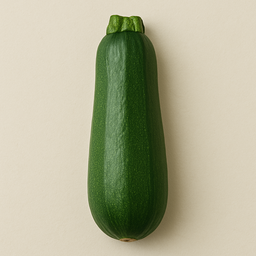 Zucchini
 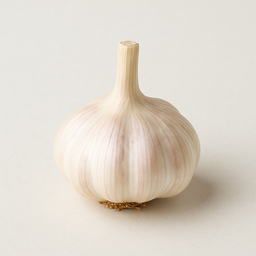 Garlic
 Potassium + allicin: complementary mineral-sulfur pathway
Technical: Zucchini contains 261mg potassium per 100g — potassium contributes to the maintenance of normal blood pressure (EFSA-approved). Garlic's allicin influences angiotensin-converting enzyme (ACE) and stimulates NO production via the nitrate-nitrite-NO pathway. Together they influence vascular physiology via two complementary mechanisms: electrolyte balance and NO signaling.
What does this mean for you? Sautéed zucchini with garlic is a simple side dish with two pathways influencing vascular physiology. Potassium from zucchini and allicin from garlic work complementarily. Add olive oil for extra polyphenols.
HeartAnti-inflammatory
Zucchini 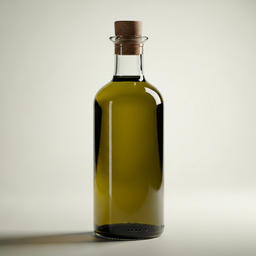 Olive Oil
 Better absorption of lutein and zeaxanthin
Technical: Zucchini contains 2125μg lutein + zeaxanthin per 100g — carotenoids that accumulate in the macula lutea (the center of the retina). These are fat-soluble and absorbed up to 6x better with olive oil. Zucchini's mild flavor makes it an ideal carrier for olive oil in various dishes.
What does this mean for you? Sauté zucchini in olive oil or grill with a drizzle of oil. Without fat you barely absorb lutein — the eye pigment that concentrates in your macula. Lutein and zeaxanthin contribute to the maintenance of normal vision.
General Wellness
Olive Oil 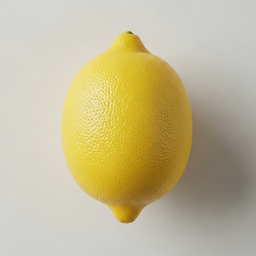 Lemon
Lemon Oleic acid + citric acid: complementary pathways for glycemic response
Technical: Lemon contains citric acid that slows gastric emptying, causing carbohydrates from the meal to be absorbed more slowly. Olive oil's fats reinforce this effect by further influencing glycemic response. Together they influence the postprandial glucose response via two complementary mechanisms. Olive oil's oleocanthal and lemon's vitamin C additionally provide complementary antioxidant action.
What does this mean for you? A simple dressing of olive oil and lemon juice over your salad is one of the smartest combinations you can make. The two mechanisms (delayed gastric emptying + fat slowing) work together to influence the glucose response after your meal.
EnergyDigestion
Olive Oil Garlic Aglio e olio: allicin + oleocanthal via complementary biochemical pathways
Technical: Garlic contains allicin (formed when cutting/crushing) that influences HMG-CoA reductase (involved in lipid metabolism). Olive oil contains oleocanthal that modulates COX-1/2 enzymes. Together they influence lipid metabolism and prostaglandin cascade via complementary biochemical pathways. The fat also helps absorb fat-soluble garlic compounds.
What does this mean for you? Gently warm garlic in olive oil (don't burn!) as the base for many dishes. This is why 'aglio e olio' pasta is so beloved — two bioactive compounds that reinforce each other.
HeartImmune System
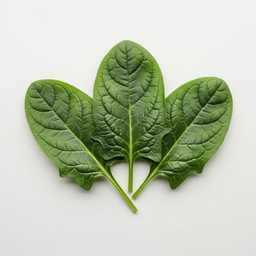 Spinach Lemon
 Increases iron absorption up to 300% by breaking oxalate binding
Technical: Spinach contains 2.7mg non-heme iron per 100g, but also 970mg oxalic acid that binds iron into insoluble calcium oxalate. Vitamin C (53mg/100g in lemon) reduces Fe³⁺ to Fe²⁺ (ferroreduction) and forms soluble iron-ascorbate complexes that break oxalate binding. Iron absorption rises from 2% to 6-12%.
What does this mean for you? Always squeeze lemon over spinach — this is the 'Popeye hack'. Vitamin C breaks the oxalate trap blocking iron absorption. Without lemon you barely absorb any iron from spinach.
Energy
Spinach Olive Oil Makes fat-soluble vitamins and antioxidants available
Technical: Spinach contains 483μg vitamin K (403% RDI), 5626μg beta-carotene, 2mg vitamin E and 12.2mg lutein — all fat-soluble. Without fat only 5-10% is absorbed. Olive oil's monounsaturated fats (73% oleic acid) form micelles that increase absorption 2-5x.
What does this mean for you? Always eat spinach with olive oil or another fat source. Without fat you waste most of spinach's impressive vitamin profile. A drizzle of olive oil is essential for proper absorption.
Skin & HairJoints
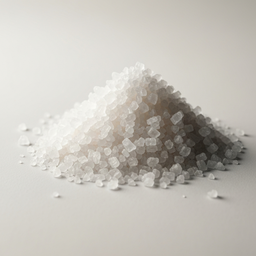 Sea Salt Lemon
 Trace minerals + vitamin C for electrolytes and immune system
Technical: Unrefined sea salt contains 80+ trace elements (magnesium 0.5%, potassium 0.4%, calcium 0.1%, plus iodine, zinc, selenium in trace amounts) alongside sodium. Lemon's vitamin C improves absorption of non-heme iron and zinc from sea salt. Sodium + potassium together regulate cellular osmosis. Vitamin C is also essential for collagen synthesis where sea salt minerals serve as cofactors.
What does this mean for you? A glass of warm water with a pinch of unrefined sea salt and lemon juice in the morning is an effective hydration ritual. The minerals + vitamin C start your day with good electrolyte balance.
EnergyImmune System
Sea Salt Olive Oil Minerals + polyphenols for cellular balance
Technical: Sea salt's sodium is essential for the sodium-potassium pump (Na+/K+-ATPase) that regulates every body cell. Olive oil's oleuropein and hydroxytyrosol provide antioxidant protection for cell membranes. The combination supports cell integrity: sea salt regulates ion balance, olive oil protects the membrane. In Mediterranean cuisine, coarse sea salt + olive oil is the most basic flavor profile.
What does this mean for you? Freshly ground sea salt with extra virgin olive oil is the simplest and most nutritious finishing of any dish. The combination provides the basic needs of your cells: minerals for function, polyphenols for protection.
HeartGeneral Wellness
Instructions
- 1 Make the pesto: blend pumpkin seeds, basil, 1 clove garlic, 15 ml olive oil and lemon juice to a rough paste. Season with sea salt.
- 2 Slice courgettes lengthwise into thin strips (3-4 mm) using a mandoline or sharp knife.
Nutrition per serving
Indicative values per serving.
Timing & Suitability
Shelf life: 3 days in fridge