- Medium
- 60 min
- 2 serv.
- 10 synergies
- Now at its best: Garlic
Fermented tempeh braised in a rich rendang sauce with ginger, turmeric and coriander. Served with fragrant jasmine rice.
The first bite reveals right away why rendang is worth the slow cooking. Tempeh golden-fried, then simmered for twenty-five minutes in a sauce that deepens with every passing minute — turmeric coloring it orange, ginger that stung when you grated it, coriander adding warm earthy tones. The sauce reduces to a glaze that clings to every tempeh cube, glossy and intense. Spoon it over jasmine rice already waiting in the bowl, and you smell Indonesia: that blend of spice and coconut you'll catch in the kitchen hours later.
- 15
- min prep
- 45
- min cook
- 60
- min total
Nutritional Synergies
This recipe combines ingredients that enhance each other:
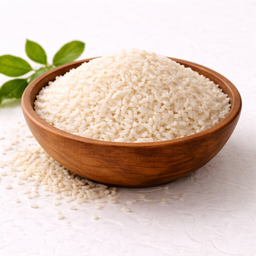 Jasmine Rice
 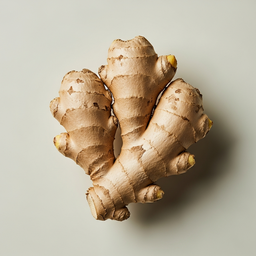 Ginger
 Asian staple combo: ginger improves rice digestion
Technical: Jasmine rice has a relatively high glycemic index (GI 68-80). Ginger contains gingerols that speed gastric emptying and can reduce glycemic response by 10-15%. Ginger also stimulates amylase activity, improving starch digestion.
What does this mean for you? Cook rice with ginger slices (remove before serving) or serve with ginger stir-fry. This is why ginger is so central to Asian cuisine with rice dishes.
DigestionBlood Sugar
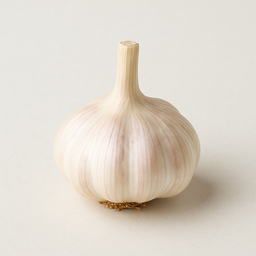 Garlic Ginger
 Allicin + gingerols: complementary bioactive action
Technical: Garlic's allicin works via thiol enzyme inhibition — effective against gram-positive bacteria (Staphylococcus, Streptococcus). Ginger's gingerols and shogaols influence viral replication and stimulate interferon production. Together they cover both bacterial and viral pathways.
What does this mean for you? Garlic-ginger tea is a classic combination. Garlic works via thiol enzymes, ginger via interferon pathways. Cut both fresh for maximum active compounds — allicin only forms after 10 minutes of air exposure.
Immune System
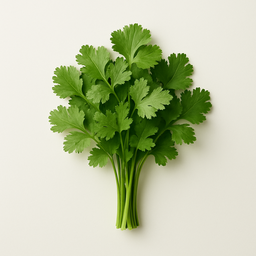 Cilantro
 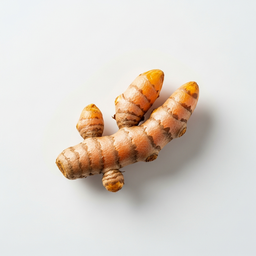 Turmeric
 Linalool + curcumin for enhanced bioactive action
Technical: Coriander's linalool and coriander oil are studied in relation to lipoxygenase modulation. Turmeric's curcumin modulates NF-κB and COX-2 signal transduction. Together they cover more bioactive signaling pathways than each herb alone.
What does this mean for you? Use coriander and turmeric together in curries and Indian dishes — a traditional combination that is scientifically supported.
Anti-inflammatoryDigestionAntioxidants
Turmeric Ginger Enhanced bioactive action via two pathways
Technical: Turmeric and ginger belong to the same plant family (Zingiberaceae). Curcumin (turmeric) modulates NF-kB, while gingerol (ginger) modulates COX-2 and LOX (lipoxygenase). Because they target different signaling pathways, they enhance each other's bioactive action.
What does this mean for you? Turmeric + ginger in curry, soup or tea — two related spices that work bioactively via different pathways. Broader together than alone.
Anti-inflammatoryJoints
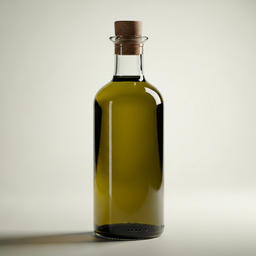 Olive Oil Garlic
 Aglio e olio: allicin + oleocanthal via complementary biochemical pathways
Technical: Garlic contains allicin (formed when cutting/crushing) that influences HMG-CoA reductase (involved in lipid metabolism). Olive oil contains oleocanthal that modulates COX-1/2 enzymes. Together they influence lipid metabolism and prostaglandin cascade via complementary biochemical pathways. The fat also helps absorb fat-soluble garlic compounds.
What does this mean for you? Gently warm garlic in olive oil (don't burn!) as the base for many dishes. This is why 'aglio e olio' pasta is so beloved — two bioactive compounds that reinforce each other.
HeartImmune System
Olive Oil 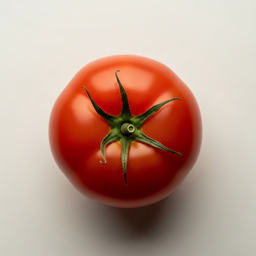 Tomato
 Mediterranean golden rule: fat increases lycopene absorption 4x
Fat significantly increases lycopene bioavailability (PMID: 15927929)
Technical: Tomatoes contain lycopene (3-7mg per 100g), a carotenoid with strong antioxidant action. Lycopene is fat-soluble with only 10-15% absorption without fat. Olive oil increases this to 40-60% (2.5-4x improvement). Cooking further increases lycopene bioavailability.
What does this mean for you? Always add olive oil to tomato dishes — sauces, salads, bruschetta. This is why Mediterranean cuisine is so healthy. Cooked tomatoes with olive oil = maximum lycopene.
HeartSkin & Hair
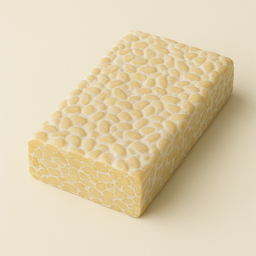 Tempeh Ginger
 Protein digestion + bioactive gingerols
Technical: Tempeh's Rhizopus oligosporus mycelium has already started protein breakdown during fermentation — proteins are partially hydrolyzed and more digestible. Ginger's gingerols speed up gastric emptying by ~25%. Together they optimize protein digestion: tempeh makes protein 'pre-digested', ginger accelerates further breakdown.
What does this mean for you? Fry tempeh with fresh ginger and tamari — a classic Indonesian preparation. The ginger not only helps flavor-wise but also ensures you maximize protein utilization from tempeh. Ideal after exercise.
DigestionAnti-inflammatory
Tempeh Turmeric Fermentation + curcumin: fermented isoflavones with enhanced absorption
Technical: Tempeh contains fermented isoflavones (genistein, daidzein) with higher bioavailability than in tofu. Turmeric's curcumin is fat-soluble and better absorbed through the fats in tempeh. Both compounds are studied in research on NF-κB signaling and cellular mechanisms.
What does this mean for you? Fry tempeh in coconut oil with turmeric and black pepper. A classic Indonesian preparation that also provides complete protein. Black pepper increases curcumin absorption by 2000%.
Anti-inflammatoryMuscle GainHormonal Balance
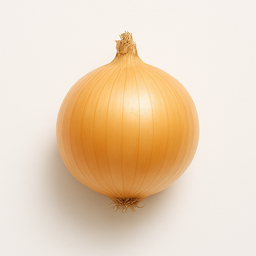 Onion Garlic
 More than 20 organosulfur compounds in one soffritto
Technical: Onion contains diallyl disulfide and quercetin (20-40mg/100g). Garlic contains allicin, ajoene and S-allylcysteine. Together they provide more than 20 different organosulfur compounds that modulate NF-κB. Allium crops are intensively studied in nutrition science for their unique sulfur chemistry.
What does this mean for you? Start every dish with sautéed onion and garlic — not just for flavor, but for the unique concentration of organosulfur compounds. Cut garlic 10 minutes before heating to allow allicin formation.
DigestionImmune System
Onion Tomato Quercetin + lycopene: synergistic polyphenol-carotenoid combination
Technical: Quercetin from onion (20-40mg/100g) and lycopene from tomato (2573μg/100g) work through different mechanisms. Quercetin chelates metal ions and modulates lipid peroxidation, lycopene quenches singlet oxygen. Combined polyphenols and carotenoids work synergistically — the combination works through complementary mechanisms.
What does this mean for you? Tomato sauce with onion is the base of nearly every Mediterranean cuisine — and rightly so. Quercetin and lycopene enhance each other's action through complementary biochemical pathways. Cooking in olive oil makes carotenoids more absorbable.
HeartAnti-inflammatory
Instructions
- 1 Rinse the jasmine rice under cold water and cook in 250 ml water with a pinch of salt. Bring to a boil, turn the heat low, cover and let cook for 12-15 minutes until all liquid is absorbed. Keep warm.
Nutrition per serving
Indicative values per serving.
Timing & Suitability
Shelf life: 3 days in fridge
Tags & Diet
Allergens: Soy