- Easy
- 18 min
- 2 serv.
- 9 synergies
- Now at its best: Broccoli
Crispy stir-fried vegetables with ginger and garlic, finished with tamari and sprinkled with sesame seeds. A light but nutritious meal in under 20 minutes.
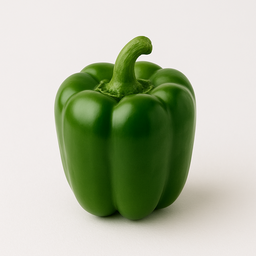
The wok sizzles as the first broccoli florets hit the hot surface, and the kitchen instantly fills with the warm aroma of toasted sesame. Julienned carrots turn intensely orange as they briefly stir-fry, followed by crisp bell pepper strips and fresh green bok choy that wilts in seconds. A splash of dark tamari brings everything together — sweet, salty and umami in perfect balance. Sprinkled with golden sesame seeds, this is a dish that proves simplicity and flavour go hand in hand.
- 10
- min prep
- 8
- min cook
- 18
- min total
Nutritional Synergies
This recipe combines ingredients that enhance each other:
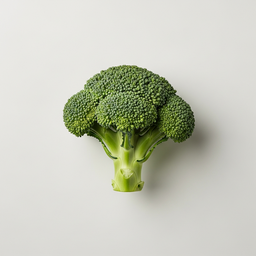 Broccoli
 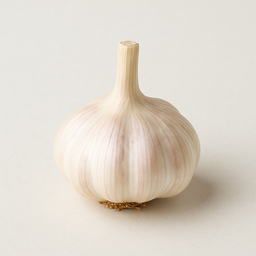 Garlic
 Double sulfur compounds for Nrf2 activation and phase-II enzymes
Technical: Broccoli contains sulforaphane (isothiocyanate) activating the Nrf2 pathway and inducing phase-II enzymes (glutathione S-transferase, quinone reductase). Garlic contains allicin and diallyl sulfide — also sulfur compounds activating the same Nrf2 pathway via thiol reaction. Both are sulfur-containing compounds working synergistically.
What does this mean for you? Briefly sauté garlic and add broccoli — a classic stir-fry base. Two sulfur-rich ingredients each activating the same Nrf2 pathway through their own route. Cut garlic 10 minutes before heating for maximum allicin.
AntioxidantsImmune SystemAnti-inflammatory
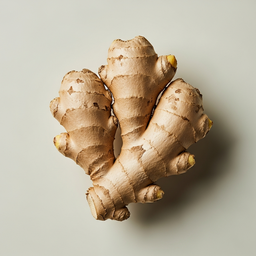 Ginger
 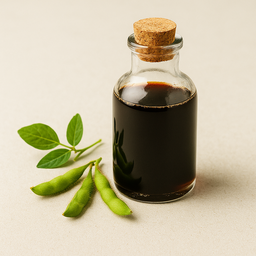 Tamari
 Asian umami base with bioactive action
Technical: Ginger contains gingerols and shogaols that modulate COX-2. Tamari (gluten-free soy sauce) provides umami flavor plus fermented compounds supporting gut flora. Together they form the base of many Asian dishes and offer both flavor and bioactive action.
What does this mean for you? Ginger + tamari is the base of stir-fries, marinades and dressings. Two ingredients that enhance each other's flavor and combine bioactive compounds.
DigestionAnti-inflammatory
Garlic Ginger Allicin + gingerols: complementary bioactive action
Technical: Garlic's allicin works via thiol enzyme inhibition — effective against gram-positive bacteria (Staphylococcus, Streptococcus). Ginger's gingerols and shogaols influence viral replication and stimulate interferon production. Together they cover both bacterial and viral pathways.
What does this mean for you? Garlic-ginger tea is a classic combination. Garlic works via thiol enzymes, ginger via interferon pathways. Cut both fresh for maximum active compounds — allicin only forms after 10 minutes of air exposure.
Immune System
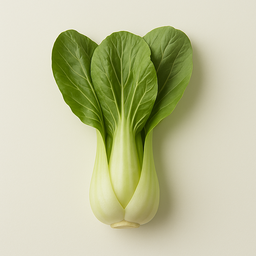 Bok choy Garlic
 Glucosinolates + allicin for double Nrf2 activation
Technical: Pak choi contains glucosinolates forming sulforaphane and indole-3-carbinol — both activating the Nrf2 pathway for phase-II enzymes. Garlic's allicin and diallyl trisulfide activate the same Nrf2 pathway via a different mechanism (thiol reaction). Together they enhance induction of glutathione S-transferase and quinone reductase.
What does this mean for you? Stir-frying pak choi with garlic is an Asian base combining two sulfur-rich ingredients. Both activate the same Nrf2 pathway through their own route. Add ginger for a complete wok.
AntioxidantsImmune System
Bok choy 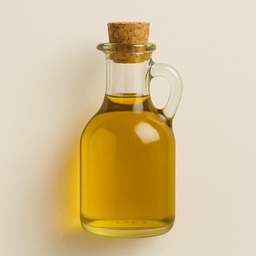 Sesame oil
 Asian combination: sulforaphane activation + vitamin absorption
Technical: Pak choi is rich in glucosinolates and calcium. Mustard provides myrosinase for sulforaphane activation, sesame oil contains sesamol that acts as antioxidant.
What does this mean for you? The classic Asian combination of pak choi with sesame oil isn't popular by accident — it works! Add mustard (fits well in an Asian dressing with soy sauce and ginger) for extra sulforaphane formation. Tip: stir-fry briefly to preserve vitamins.
Immune SystemAnti-inflammatoryJoints
Sesame oil Ginger Asian cooking base: lignans + gingerols via complementary pathways
Technical: Sesame oil contains sesamin and sesamolin (lignans) with antioxidant action. Ginger contains gingerols that modulate COX-2. Both compounds influence NF-κB via complementary mechanisms. The fat in sesame oil also improves absorption of fat-soluble gingerols.
What does this mean for you? Start Asian dishes with sesame oil + ginger as flavor base. This is the fundamental start of wok dishes and combines two bioactive compounds via complementary pathways.
Anti-inflammatoryDigestion
Sesame oil 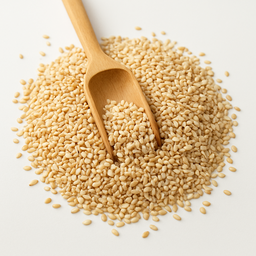 Sesame seeds
 Sesame oil fats enhance absorption of sesame seed lignans
Technical: Sesame seeds contain lignans (sesamin, sesamolin) that are fat-soluble. Sesame oil provides the ideal fat matrix for absorption. Additionally, the oil contains different bioactive forms (sesamol) that work complementarily to lignans in whole seeds.
What does this mean for you? Top dishes with both sesame seeds and a drizzle of sesame oil — you get the fiber and minerals from the seeds plus optimal lignan absorption.
HeartAnti-inflammatoryHormonal Balance
Tamari Sesame oil Fermented soy isoflavones + sesamol for antioxidant protection
Technical: Tamari contains fermentation-released isoflavones (genistein, daidzein) that work synergistically with sesame oil's sesamol and sesaminol. Together they provide broader antioxidant protection via different radical scavenging mechanisms.
What does this mean for you? A splash of tamari with sesame oil as dressing or stir-fry sauce gives not only umami flavor but also a double antioxidant effect.
Anti-inflammatoryHeartSkin & Hair
Tamari Sesame seeds Umami amino acids enhance mineral absorption from sesame seeds
Technical: Tamari's free glutamic acid and amino acids from fermentation promote absorption of zinc and iron from sesame seeds. The organic acids in fermented soy lower intestinal pH, making minerals more soluble.
What does this mean for you? Sprinkle dishes with tamari and sesame seeds together — a classic Asian combination that's not only delicious but also optimizes your mineral absorption.
EnergyImmune SystemGeneral Wellness
Instructions
- 1 Heat the sesame oil in a wok or large pan over high heat until the oil lightly smokes.
- 2 Add the minced ginger and garlic and stir-fry for 30 seconds until fragrant.
Nutrition per serving
Indicative values per serving.
Timing & Suitability
Shelf life: 2 days in fridge
Tags & Diet
Allergens: Sesame