- Easy
- 20 min
- 4 serv.
- 7 synergies
- Now at its best: Garlic
A light Japanese miso soup with silken tofu, wakame, spring onion, ginger and a drop of sesame oil. Quick to make, warm and savoury, with deep umami flavour without becoming heavy.
This soup is quiet and precise, the way good miso soup should be. First the ginger and garlic release their aroma into hot water: sharp, warm and clean. Then the miso is not boiled, but gently dissolved, turning the broth softly salty, rounded and full of umami. The tofu sinks in as small white cubes, the wakame opens into glossy green ribbons, and the spring onion brings just enough freshness at the end. A drop of sesame oil finishes the bowl with a nutty sheen. Light, warm and pure in flavour — a soup that needs very little to feel complete.
- 10
- min prep
- 10
- min cook
- 20
- min total
Nutritional Synergies
This recipe combines ingredients that enhance each other:
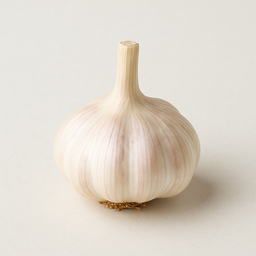 Garlic
 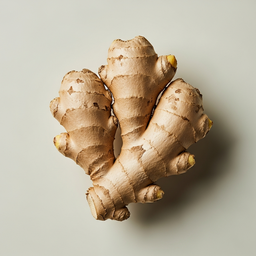 Fresh ginger
 Allicin + gingerols: complementary bioactive action
Technical: Garlic's allicin works via thiol enzyme inhibition — effective against gram-positive bacteria (Staphylococcus, Streptococcus). Ginger's gingerols and shogaols influence viral replication and stimulate interferon production. Together they cover both bacterial and viral pathways.
What does this mean for you? Garlic-ginger tea is a classic combination. Garlic works via thiol enzymes, ginger via interferon pathways. Cut both fresh for maximum active compounds — allicin only forms after 10 minutes of air exposure.
Immune System
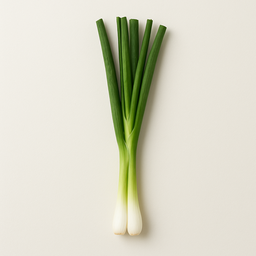 Spring onion
 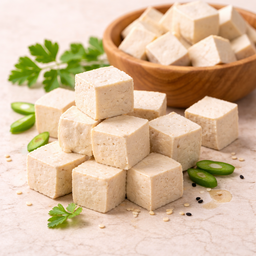 Silken tofu
 Allicin improves iron absorption from plant sources
Technical: Tofu contains 5.4mg non-heme iron per 100g, but also phytate (inositol hexaphosphate) that binds iron. Green onion's sulfur compounds (allyl sulfides) reduce phytate binding through pH lowering in the gut. Vitamin C in green onion (18.8mg/100g) reduces Fe³⁺ to Fe²⁺ for better absorption via DMT-1 transport proteins.
What does this mean for you? Always garnish tofu with green onion — the sulfur compounds free iron that would otherwise remain bound to phytate. Essential for vegetarians and vegans relying on plant-based iron.
EnergyGeneral Wellness
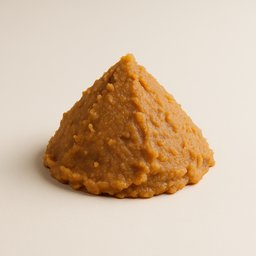 Gluten-free white miso paste Fresh ginger
 Japanese soup base: enzymes + gingerols
Technical: Miso contains Aspergillus oryzae enzymes (amylase, protease) that support digestion, plus isoflavones. Ginger contains gingerols that speed up gastric emptying. Together they optimize digestion through complementary mechanisms: miso enzymes break down food components, gingerols promote gut transit.
What does this mean for you? Add grated ginger to your miso soup just before serving (don't boil with miso — this kills the enzymes). This is an authentic Japanese variation.
DigestionAnti-inflammatory
Gluten-free white miso paste 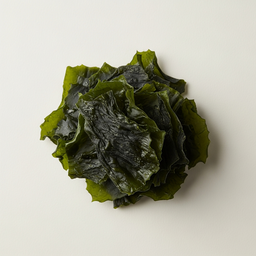 Dried wakame
 Classic Japanese combination: enzymes + minerals
Technical: Miso contains Aspergillus oryzae enzymes (amylase, protease, lipase) that help break down complex polysaccharides in seaweed (alginate, fucoidan) for better absorption. Seaweed provides iodine, calcium and unique antioxidants. Miso enzymes are killed at >60°C, so miso must be added after cooking. Good to know: iodine contributes to the normal production of thyroid hormones and normal thyroid function (EFSA-approved).
What does this mean for you? Make miso soup with wakame: cook the wakame first, let it cool to ~60°C, then stir in the miso. This preserves the live enzymes that make seaweed nutrients more absorbable.
DigestionImmune System
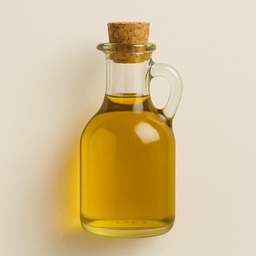 Sesame oil Fresh ginger
 Asian cooking base: lignans + gingerols via complementary pathways
Technical: Sesame oil contains sesamin and sesamolin (lignans) with antioxidant action. Ginger contains gingerols that modulate COX-2. Both compounds influence NF-κB via complementary mechanisms. The fat in sesame oil also improves absorption of fat-soluble gingerols.
What does this mean for you? Start Asian dishes with sesame oil + ginger as flavor base. This is the fundamental start of wok dishes and combines two bioactive compounds via complementary pathways.
Anti-inflammatoryDigestion
Silken tofu Fresh ginger Isoflavones + gingerols: complementary bioactive compounds
Technical: Tofu's isoflavones and ginger's gingerols are both studied in research in connection with cellular signaling pathways. Together they provide a broad spectrum of bioactive compounds through complementary mechanisms.
What does this mean for you? Marinate tofu in ginger-soy sauce for a powerful combination of bioactive plant compounds. A classic Asian preparation combining protein and phytochemicals.
Anti-inflammatoryJoints
 Water Fresh ginger
 Hydration + gingerols for digestion and metabolism
Technical: Water is the medium for all biochemical reactions and nutrient transport. Ginger's gingerols (1.5-3%) are water-soluble and optimally extracted in warm water. Gingerols are studied in research in relation to thermogenesis and digestion. Warm ginger water contains dissolved gingerols.
What does this mean for you? Start your day with warm ginger water — slice fresh ginger and steep for 10 minutes. It gives a warm, spicy start to your day and hydrates at the same time.
DigestionWeight LossEnergy
Ingredients (8)
+6 more ingredientsInstructions
- 1 Soak the wakame in cold water for 5 minutes. Drain, gently squeeze it out and cut larger pieces smaller.
- 2 Bring 800 ml water to a boil in a soup pot. Add the ginger and garlic.
Nutrition per serving
Indicative values per serving.
Timing & Suitability
Shelf life: 2 days in fridge
Tags & Diet
Allergens: Soy, Sesame