- Medium
- 45 min
- 2 serv.
- 8 synergies
- Now at its best: Salmon
A light Mediterranean meal with crisp-seared salmon, roasted sweet potato and briefly wilted spinach with garlic. Lemon and dill keep the dish fresh, while olive oil makes everything round and satisfying.
This plate feels calm and refined: golden salmon with a fresh lemon-dill finish, soft roasted sweet potato cubes and spinach wilted just enough to become warm and juicy. The sweet potato brings natural sweetness and substance, the salmon adds richness without feeling heavy, and the spinach gives an earthy green note. By keeping the seasoning simple — lemon, garlic, olive oil and fresh dill — the flavor stays bright and Mediterranean.
- 15
- min prep
- 30
- min cook
- 45
- min total
Nutritional Synergies
This recipe combines ingredients that enhance each other:
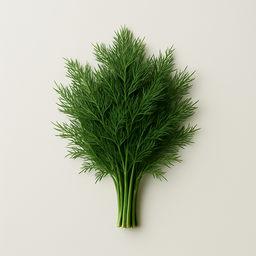 Fresh dill
 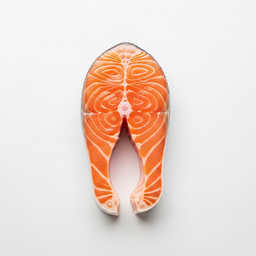 Salmon fillet
 Scandinavian classic with antioxidant boost
Technical: Dill contains flavonoids (kaempferol, vicenin) and monoterpenes (limonene, carvone) with antioxidant action. Salmon provides EPA and DHA omega-3 fatty acids with bioactive action via prostaglandin modulation. Dill's antioxidants protect vulnerable omega-3 fatty acids from oxidation.
What does this mean for you? Dill + salmon is the classic Scandinavian combination — not just for flavor, but also because the antioxidants in dill protect the omega-3 fatty acids from oxidation.
HeartAnti-inflammatory
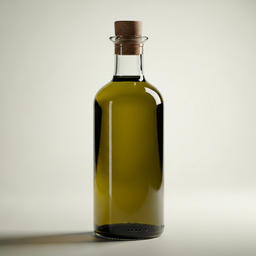 Olive Oil
 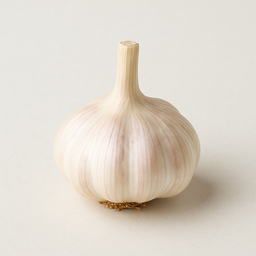 Garlic
 Aglio e olio: allicin + oleocanthal via complementary biochemical pathways
Technical: Garlic contains allicin (formed when cutting/crushing) that influences HMG-CoA reductase (involved in lipid metabolism). Olive oil contains oleocanthal that modulates COX-1/2 enzymes. Together they influence lipid metabolism and prostaglandin cascade via complementary biochemical pathways. The fat also helps absorb fat-soluble garlic compounds.
What does this mean for you? Gently warm garlic in olive oil (don't burn!) as the base for many dishes. This is why 'aglio e olio' pasta is so beloved — two bioactive compounds that reinforce each other.
HeartImmune System
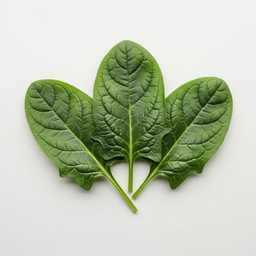 Fresh spinach Olive Oil
 Makes fat-soluble vitamins and antioxidants available
Technical: Spinach contains 483μg vitamin K (403% RDI), 5626μg beta-carotene, 2mg vitamin E and 12.2mg lutein — all fat-soluble. Without fat only 5-10% is absorbed. Olive oil's monounsaturated fats (73% oleic acid) form micelles that increase absorption 2-5x.
What does this mean for you? Always eat spinach with olive oil or another fat source. Without fat you waste most of spinach's impressive vitamin profile. A drizzle of olive oil is essential for proper absorption.
Skin & HairJoints
Fresh spinach 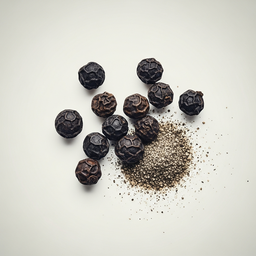 Black Pepper
 Increases beta-carotene absorption from vegetables
Technical: Spinach contains 5626μg beta-carotene per 100g. Piperine from black pepper (5-9% by weight) inhibits glucuronidation in the gut, keeping beta-carotene in its active form longer. Piperine also increases intestinal epithelium permeability via vanilloid receptor activation.
What does this mean for you? Grind fresh black pepper over spinach. Piperine slows beta-carotene breakdown in your gut so you absorb more. Combine with olive oil for the maximum triple effect.
Immune SystemSkin & Hair
Salmon fillet Fresh spinach Vitamin D + K + lutein: bone metabolism and macular pigment
Technical: Salmon contains 526 IU vitamin D per 100g and DHA omega-3 (essential for the retina). Spinach contains 483μg vitamin K per 100g that activates osteocalcin, plus lutein (12mg per 100g) and zeaxanthin — carotenoids that concentrate in the macula lutea of the eye. DHA from salmon is a building block of the retina itself. Lutein is the primary macular pigment and is intensively studied in science.
What does this mean for you? Salmon with spinach combines vitamin D + K for your bone metabolism with DHA + lutein as macular pigments. The vitamin D + K combination optimizes calcium use. Ideal if you spend lots of time behind a screen.
JointsFocus
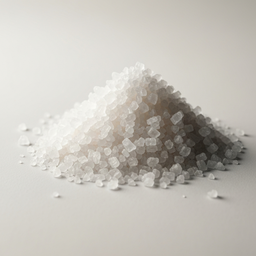 Sea Salt Olive Oil
 Minerals + polyphenols for cellular balance
Technical: Sea salt's sodium is essential for the sodium-potassium pump (Na+/K+-ATPase) that regulates every body cell. Olive oil's oleuropein and hydroxytyrosol provide antioxidant protection for cell membranes. The combination supports cell integrity: sea salt regulates ion balance, olive oil protects the membrane. In Mediterranean cuisine, coarse sea salt + olive oil is the most basic flavor profile.
What does this mean for you? Freshly ground sea salt with extra virgin olive oil is the simplest and most nutritious finishing of any dish. The combination provides the basic needs of your cells: minerals for function, polyphenols for protection.
HeartGeneral Wellness
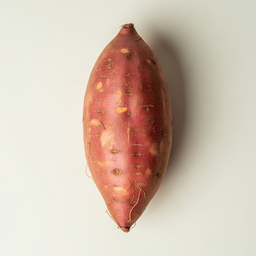 Sweet Potato Olive Oil
 Essential for beta-carotene absorption
Technical: Sweet potato is the richest beta-carotene source at 11509μg/100g. Beta-carotene is converted to retinol (vitamin A) by β-carotene-15,15'-dioxygenase, but must first be absorbed via fat micelles. Olive oil increases absorption 3-5x. Without fat, conversion efficiency is only 3:1 (μg carotene:μg retinol); with fat 12:1.
What does this mean for you? Always serve sweet potato with oil or butter. Eating it 'dry' is a missed opportunity — you lose most of the vitamin A. A little fat makes a huge difference.
FocusImmune System
Black Pepper Olive Oil Fat increases piperine absorption and enhances polyphenols
Technical: Piperine is fat-soluble and absorbed 2-3x better with dietary fat. Olive oil's oleocanthal and piperine both modulate COX signal transduction through different mechanisms, providing additive bioactive effect.
What does this mean for you? Grind fresh pepper over salads with olive oil dressing. The combination enhances both pepper absorption and bioactive action.
Anti-inflammatoryHeartDigestion
Ingredients (9)
+7 more ingredientsInstructions
- 1 Preheat the oven to 200°C. Toss the sweet potato with 1 tablespoon olive oil, a pinch of sea salt and black pepper.
- 2 Spread the sweet potato on a baking sheet and roast for 25 minutes until tender and lightly golden.
Nutrition per serving
Indicative values per serving.
Timing & Suitability
Shelf life: 2 days in fridge
Tags & Diet
Allergens: Fish