- Easy
- 10 min
- 2 serv.
- 18 synergies
- Now at its best: Walnuts
A savory Middle Eastern breakfast with creamy labneh, aromatic za'atar, crunchy seeds and fresh vegetables. Contains ingredients that research suggests may contribute to digestive and nutritional properties widely studied.
Creamy labneh forms the base of this Middle Eastern breakfast bowl — drizzled with golden-green olive oil and scattered with aromatic za'atar carrying notes of thyme and sumac. Crunchy walnuts and pumpkin seeds create texture contrast in every bite, while fresh mint and a drizzle of floral honey tie it all together into a breakfast that's both savory and refreshing.
- 10
- min prep
- 0
- min cook
- 10
- min total
Nutritional Synergies
This recipe combines ingredients that enhance each other:
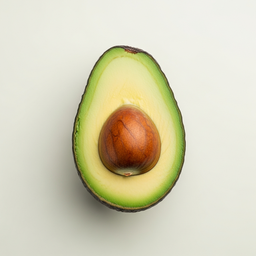 Avocado
 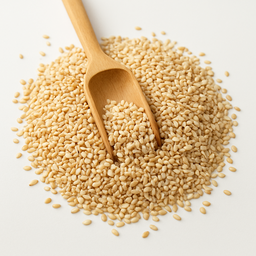 Sesame Seeds
 Healthy fats improve mineral absorption from sesame seeds
Technical: Avocado contains 15% mono-unsaturated fats and vitamin E. Sesame seeds are rich in calcium (975mg/100g), iron (14.5mg) and zinc. The fats from avocado improve absorption of these minerals and the fat-soluble lignans (sesamin, sesamolin) from sesame seeds.
What does this mean for you? Add sesame seeds to your avocado toast or poke bowl. The combination is not only delicious but also remarkably rich in minerals.
JointsEnergySkin & Hair
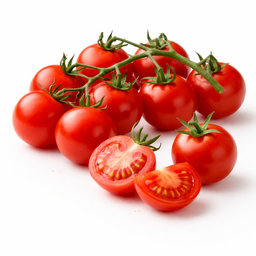 Cherry Tomatoes
 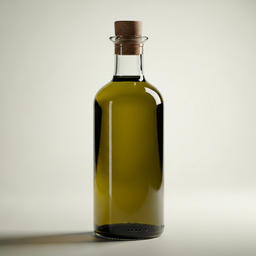 Olive Oil
 Olive oil increases lycopene absorption from cherry tomatoes 2-3x
Technical: Cherry tomatoes contain 2573μg lycopene per 100g. Lycopene is fat-soluble and only 2-3% absorbed without fat. Olive oil's oleic acid forms mixed micelles increasing lycopene absorption 2-3x. Cherry tomatoes contain relatively more skin (where lycopene concentrates) than regular tomatoes due to their small size.
What does this mean for you? Halve cherry tomatoes and roast in olive oil, or serve in salad with olive oil dressing. Their higher skin-to-flesh ratio means more concentrated lycopene.
HeartSkin & Hair
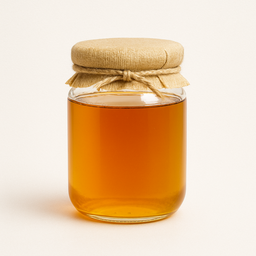 Honey Olive Oil
 Dual bioactive action via chrysin + oleocanthal
Technical: Honey contains chrysin and olive oil oleocanthal — bioactive phenolic compounds studied in research in connection with NF-κB and COX signaling. Together they provide plant compounds through two independent routes.
What does this mean for you? A dressing of honey and olive oil is not just tasty — the chrysin and oleocanthal work through two different routes in your body.
Anti-inflammatoryHeartJoints
Honey Sesame Seeds Honey antioxidants + sesame lignans for antioxidant support
Technical: Honey's water-soluble antioxidants (phenolic acids, flavonoids) and sesame seed's fat-soluble lignans (sesamin) provide antioxidant support in different compartments. Honey's fructose provides quick energy, sesame's fats and proteins give sustained satiety.
What does this mean for you? Sesame seeds with honey (as in Japanese dishes) combines quick energy with sustained satiety and broad antioxidant support.
EnergyAnti-inflammatorySkin & Hair
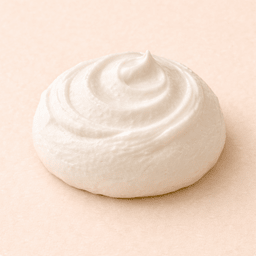 Labneh Honey
 Synbiotic effect: probiotics + prebiotics support gut flora
Probiotics from yogurt + prebiotics from honey = synbiotic effect (PMID: 27865495)
Technical: Labneh contains concentrated probiotics (10⁸-10⁹ CFU/g) through the straining process. Honey provides prebiotic oligosaccharides feeding these bacteria. Together they form a synbiotic combination — probiotics are fed by prebiotic fibers, extending their survival in the gut.
What does this mean for you? Labneh with honey is a synbiotic dessert. The probiotics from labneh are fed by the prebiotics from honey — a Levantine tradition with scientific foundation.
DigestionImmune System
Labneh  Cucumber
 Synbiotic: cucumber prebiotic fibers + labneh concentrated probiotics
Strained yogurt (labneh) contains 2-3x higher probiotic concentrations than regular yogurt
Technical: Labneh contains concentrated probiotics (10⁸-10⁹ CFU/g) through the straining process — 2-3x higher than regular yogurt. Cucumber peel contains indigestible cellulose and hemicellulose serving as prebiotic substrate. The high water content of cucumber (96%) also creates a favorable hydration environment for bacterial fermentation in the colon.
What does this mean for you? Labneh with cucumber (traditional Middle Eastern breakfast) is a synbiotic combination. The fibers from cucumber peel feed the concentrated probiotics from labneh — an ancient tradition with scientific logic.
DigestionImmune System
Labneh Olive Oil Bioactive peptides (VPP, IPP) + oleuropein influence ACE enzymes via complementary pathways
Fermentation peptides and oleuropein inhibit ACE enzyme via complementary mechanisms
Technical: Labneh fermentation produces bioactive peptides (VPP, IPP) that influence ACE enzymes. Oleuropein from olive oil modulates the same enzymes but via different binding sites. Together they reach the ACE system via complementary pathways — a traditional Levantine combination with biochemical logic.
What does this mean for you? Labneh with olive oil (traditional Levantine breakfast) is a classic combination. Both ingredients contain bioactive compounds working via complementary pathways — centuries-old culinary wisdom.
HeartGeneral Wellness
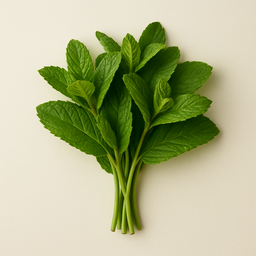 Mint Cucumber
 Ultimate cooling: menthol + water-rich food
Technical: Mint contains menthol (40-50% of essential oil) that activates TRPM8 cooling receptors - you feel cooling without temperature drop. Cucumber is 96% water and provides electrolytes. Together they offer both physiological and sensory cooling.
What does this mean for you? Add fresh mint to cucumber water or raita. Ideal in hot weather, after exercise, or for hot flashes. The combination works better than either ingredient alone.
DigestionStress ReliefEnergy
Olive Oil Sesame Seeds Olive oil fats improve absorption of sesame seed minerals and lignans
Technical: Olive oil's monounsaturated fats (oleic acid) improve absorption of fat-soluble lignans from sesame seeds. Additionally, olive oil polyphenols (oleocanthal) and sesame lignans form a broader antioxidant spectrum.
What does this mean for you? Use olive oil in dishes with sesame seeds — for example in an Asian salad or as a base for tahini dressing.
HeartAnti-inflammatorySkin & Hair
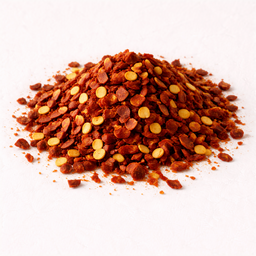 Red Pepper Flakes (Crushed) Avocado
 Fats dampen burning and increase capsaicin absorption
Technical: Capsaicin from red pepper flakes binds to fat molecules in avocado and olive oil, reducing burning on the stomach lining (casein in milk works the same way). Simultaneously, fat increases capsaicin bioavailability 2-3x, enhancing thermogenic action via TRPV1 activation.
What does this mean for you? Sprinkle avocado toast with red pepper flakes. The avocado fat dampens the burning but strengthens the thermogenic effect — less heat, more results.
Weight LossAnti-inflammatory
Red Pepper Flakes (Crushed) Olive Oil Capsaicin dissolved in fat for prolonged thermogenesis
Technical: Capsaicin is fat-soluble and is absorbed 3x better in olive oil than without fat. Dissolved in oil, capsaicin is released more gradually in the GI tract, extending the thermogenic response from 30 minutes to 2-3 hours. Olive oil's oleocanthal enhances capsaicin's analgesic effect via shared TRPV1 pathway activation. This is the basis of 'olio al peperoncino' — Italian chili flake oil.
What does this mean for you? Make your own peperoncino oil: steep red pepper flakes in extra virgin olive oil. Use as finishing oil over pizza, pasta or soup for prolonged thermogenic action.
Weight LossAnti-inflammatory
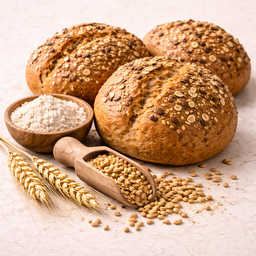 Whole Wheat Buns Avocado
 Complex carbs + healthy fats for lasting satiety
Technical: Whole grain rolls provide slow carbohydrates (GI ~55) and B-vitamins (thiamine 0.4mg, niacin 4.7mg). Avocado adds 15g monounsaturated fats and 7g fiber per 100g. Studies show the combination of complex carbs + avocado fat extends satiety by 40% via cholecystokinin (CCK) and peptide YY signaling.
What does this mean for you? Avocado on whole grain bread is a classic for good reason — it's one of the most satiating breakfast combinations. Add a pinch of sea salt and chili flakes for extra flavor.
EnergyWeight LossHeart
Whole Wheat Buns Olive Oil Whole grain fiber + oleic acid slow glucose absorption
Technical: Whole grain rolls contain 6-8g fiber per 100g that slow gastric emptying. Olive oil's oleic acid (73%) activates the ileal brake mechanism via GLP-1 secretion, reducing glycemic response by 20-30%. The combination of insoluble fiber + monounsaturated fat creates a double inhibitory effect on carbohydrate digestion.
What does this mean for you? Dip your whole grain roll in good olive oil instead of butter. Your blood sugar rises much more gradually, keeping you satisfied longer without energy crashes.
Blood SugarEnergyHeart
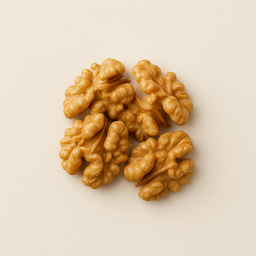 Walnuts Honey
 ALA omega-3 + enzymatic honey: complementary bioactive pathways
Technical: Walnuts' ALA (omega-3) influences prostaglandin metabolism via complementary biochemical pathways. Honey's glucose oxidase produces hydrogen peroxide. Together they provide two complementary bioactive pathways: walnuts via the omega-3 → prostaglandin pathway, honey via enzymatic activity.
What does this mean for you? Walnuts with honey is a classic combination — the omega-3 fatty acids influence prostaglandin metabolism, honey provides enzymes such as glucose oxidase. Two complementary pathways in one snack.
HeartImmune SystemEnergy
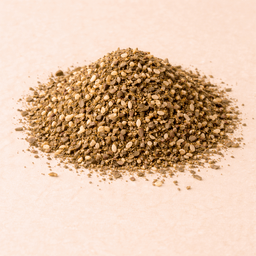 Za'atar Honey
 Broad-spectrum bioactive action through complementary mechanisms
Thymol/carvacrol inhibit bacterial growth via membrane disruption (PMID: 31009261)
Technical: Thymol from zaatar perforates bacterial cell membranes via lipid disruption. Honey works osmotically bioactive (high sugar concentration) and produces hydrogen peroxide via glucose oxidase. Together they provide broad-spectrum bioactive protection, traditionally valued in food preservation.
What does this mean for you? Zaatar with honey (e.g., on yogurt) combines two powerful natural bioactive ingredients. Ideal for immune support and throat complaints.
Immune SystemGeneral Wellness
Za'atar Olive Oil Thymol and carvacrol from zaatar are fat-soluble, olive oil increases absorption
Thymol and carvacrol are lipophilic monoterpenes with antimicrobial properties (PMID: 31009261)
Technical: Thymol and carvacrol are the main active compounds in zaatar (thyme, oregano) and are fat-soluble. Olive oil forms mixed micelles improving absorption up to 3x. Traditional Levantine combination where bread is dipped in zaatar+olive oil mixture.
What does this mean for you? The traditional way of using zaatar (with olive oil) is scientifically perfect. The fat-soluble bioactive compounds are optimally absorbed this way.
Immune SystemDigestion
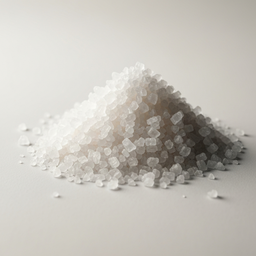 Sea Salt Avocado
 Minerals improve flavor perception and electrolyte balance
Technical: Sea salt contains trace minerals (magnesium, potassium, calcium) besides sodium. Tomato is rich in potassium (237mg/100g) and lycopene. Avocado adds magnesium (29mg) and potassium (485mg). Together they form a broad electrolyte profile: sodium (salt) + potassium (tomato/avocado) + magnesium (avocado) — essential for fluid balance and nerve function.
What does this mean for you? Sprinkle tomato and avocado with a pinch of sea salt. This is more than flavor — the minerals complement each other for a complete electrolyte balance.
HeartEnergy
Sea Salt Olive Oil Minerals + polyphenols for cellular balance
Technical: Sea salt's sodium is essential for the sodium-potassium pump (Na+/K+-ATPase) that regulates every body cell. Olive oil's oleuropein and hydroxytyrosol provide antioxidant protection for cell membranes. The combination supports cell integrity: sea salt regulates ion balance, olive oil protects the membrane. In Mediterranean cuisine, coarse sea salt + olive oil is the most basic flavor profile.
What does this mean for you? Freshly ground sea salt with extra virgin olive oil is the simplest and most nutritious finishing of any dish. The combination provides the basic needs of your cells: minerals for function, polyphenols for protection.
HeartGeneral Wellness
Ingredients (14)
+11 more ingredientsInstructions
- 1 Halve the cherry tomatoes and dice the cucumber into small cubes. Pick the mint leaves from their stems.
Nutrition per serving
Indicative values per serving.
Timing & Suitability
Shelf life: 2 days in fridge
Tags & Diet
Allergens: Nuts, Gluten, Dairy, Sesame