- Easy
- 30 min
- 2 serv.
- 14 synergies
- Now at its best: Onion
A warming Korean soup with kimchi, tofu, zucchini, ginger, garlic, tamari and sesame.
This Korean kimchi soup has everything a good comfort bowl needs: warmth, heat, depth and a savoury aroma that rises from the pot immediately. The kimchi gives the broth its typical tangy character, while sesame oil, garlic and ginger build a deep, toasted base. Tofu gently absorbs the spicy broth and zucchini keeps the soup light enough not to feel heavy. Spring onion and sesame seeds finish the bowl with freshness and crunch. The result is simple, bold and exactly what you want on a cold day or whenever you crave something savoury with character.
- 10
- min prep
- 20
- min cook
- 30
- min total
Nutritional Synergies
This recipe combines ingredients that enhance each other:
 Zucchini
 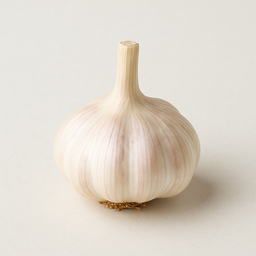 Garlic
 Potassium + allicin: complementary mineral-sulfur pathway
Technical: Zucchini contains 261mg potassium per 100g — potassium contributes to the maintenance of normal blood pressure (EFSA-approved). Garlic's allicin influences angiotensin-converting enzyme (ACE) and stimulates NO production via the nitrate-nitrite-NO pathway. Together they influence vascular physiology via two complementary mechanisms: electrolyte balance and NO signaling.
What does this mean for you? Sautéed zucchini with garlic is a simple side dish with two pathways influencing vascular physiology. Potassium from zucchini and allicin from garlic work complementarily. Add olive oil for extra polyphenols.
HeartAnti-inflammatory
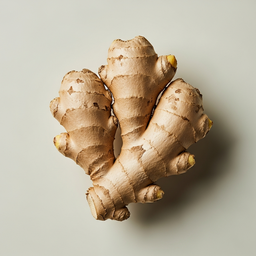 Fresh ginger
 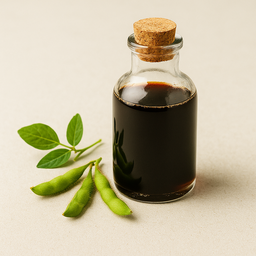 Tamari
 Asian umami base with bioactive action
Technical: Ginger contains gingerols and shogaols that modulate COX-2. Tamari (gluten-free soy sauce) provides umami flavor plus fermented compounds supporting gut flora. Together they form the base of many Asian dishes and offer both flavor and bioactive action.
What does this mean for you? Ginger + tamari is the base of stir-fries, marinades and dressings. Two ingredients that enhance each other's flavor and combine bioactive compounds.
DigestionAnti-inflammatory
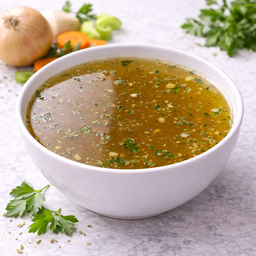 Vegetable stock Fresh ginger
 Warm broth + gingerols for digestion and hydration
Technical: Vegetable broth provides electrolytes (sodium 350-500mg/L, potassium 200-400mg/L) for hydration and osmotic balance. Ginger's gingerols promote gastric motility and bile production. Warm fluids accelerate gastric transit.
What does this mean for you? Vegetable broth with fresh ginger is an ideal warm drink during recovery. The electrolytes hydrate, the gingerols support digestion.
DigestionImmune System
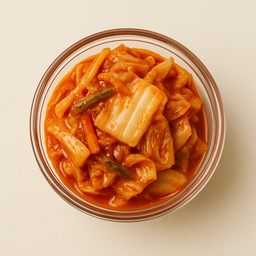 Kimchi Fresh ginger
 Probiotics + gingerols: centuries-old Korean combination
Technical: Kimchi contains Lactobacillus plantarum and L. brevis (10⁸-10⁹ CFU/g) strengthening the gut microbiome and producing short-chain fatty acids (butyrate). Ginger's gingerols speed up gastric emptying (+25%). Traditionally kimchi already contains ginger — the combination enhances both fermentation and digestion.
What does this mean for you? Kimchi with extra fresh ginger is a powerful combination for digestion. Probiotics from kimchi and gingerols from ginger work synergistically. Part of Korean cuisine for centuries.
DigestionImmune System
Kimchi  Sesame oil
 Korean combination: fat increases carotenoid absorption from kimchi
Technical: Kimchi (from Chinese cabbage, radish, etc.) contains beta-carotene and other carotenoids plus Lactobacillus probiotics. Sesame oil contains lignans and increases absorption of fat-soluble carotenoids by 3-5x. In Korea, sesame oil is often added to bibimbap with kimchi.
What does this mean for you? Drizzle sesame oil over your kimchi or briefly stir-fry it in sesame oil. This increases both flavor and nutrient absorption.
DigestionImmune System
Garlic Fresh ginger Allicin + gingerols: complementary bioactive action
Technical: Garlic's allicin works via thiol enzyme inhibition — effective against gram-positive bacteria (Staphylococcus, Streptococcus). Ginger's gingerols and shogaols influence viral replication and stimulate interferon production. Together they cover both bacterial and viral pathways.
What does this mean for you? Garlic-ginger tea is a classic combination. Garlic works via thiol enzymes, ginger via interferon pathways. Cut both fresh for maximum active compounds — allicin only forms after 10 minutes of air exposure.
Immune System
 Spring onion
 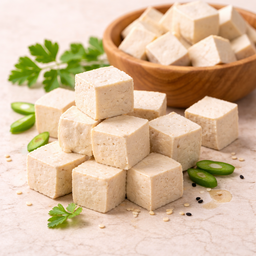 Firm tofu
 Allicin improves iron absorption from plant sources
Technical: Tofu contains 5.4mg non-heme iron per 100g, but also phytate (inositol hexaphosphate) that binds iron. Green onion's sulfur compounds (allyl sulfides) reduce phytate binding through pH lowering in the gut. Vitamin C in green onion (18.8mg/100g) reduces Fe³⁺ to Fe²⁺ for better absorption via DMT-1 transport proteins.
What does this mean for you? Always garnish tofu with green onion — the sulfur compounds free iron that would otherwise remain bound to phytate. Essential for vegetarians and vegans relying on plant-based iron.
EnergyGeneral Wellness
Sesame oil Fresh ginger Asian cooking base: lignans + gingerols via complementary pathways
Technical: Sesame oil contains sesamin and sesamolin (lignans) with antioxidant action. Ginger contains gingerols that modulate COX-2. Both compounds influence NF-κB via complementary mechanisms. The fat in sesame oil also improves absorption of fat-soluble gingerols.
What does this mean for you? Start Asian dishes with sesame oil + ginger as flavor base. This is the fundamental start of wok dishes and combines two bioactive compounds via complementary pathways.
Anti-inflammatoryDigestion
Sesame oil 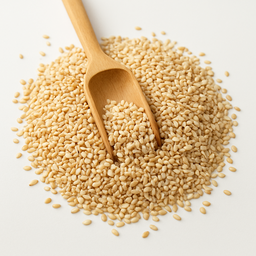 Sesame seeds
 Sesame oil fats enhance absorption of sesame seed lignans
Technical: Sesame seeds contain lignans (sesamin, sesamolin) that are fat-soluble. Sesame oil provides the ideal fat matrix for absorption. Additionally, the oil contains different bioactive forms (sesamol) that work complementarily to lignans in whole seeds.
What does this mean for you? Top dishes with both sesame seeds and a drizzle of sesame oil — you get the fiber and minerals from the seeds plus optimal lignan absorption.
HeartAnti-inflammatoryHormonal Balance
Tamari Sesame oil Fermented soy isoflavones + sesamol for antioxidant protection
Technical: Tamari contains fermentation-released isoflavones (genistein, daidzein) that work synergistically with sesame oil's sesamol and sesaminol. Together they provide broader antioxidant protection via different radical scavenging mechanisms.
What does this mean for you? A splash of tamari with sesame oil as dressing or stir-fry sauce gives not only umami flavor but also a double antioxidant effect.
Anti-inflammatoryHeartSkin & Hair
Tamari Sesame seeds Umami amino acids enhance mineral absorption from sesame seeds
Technical: Tamari's free glutamic acid and amino acids from fermentation promote absorption of zinc and iron from sesame seeds. The organic acids in fermented soy lower intestinal pH, making minerals more soluble.
What does this mean for you? Sprinkle dishes with tamari and sesame seeds together — a classic Asian combination that's not only delicious but also optimizes your mineral absorption.
EnergyImmune SystemGeneral Wellness
Firm tofu Fresh ginger Isoflavones + gingerols: complementary bioactive compounds
Technical: Tofu's isoflavones and ginger's gingerols are both studied in research in connection with cellular signaling pathways. Together they provide a broad spectrum of bioactive compounds through complementary mechanisms.
What does this mean for you? Marinate tofu in ginger-soy sauce for a powerful combination of bioactive plant compounds. A classic Asian preparation combining protein and phytochemicals.
Anti-inflammatoryJoints
Firm tofu Sesame seeds Calcium synergy: double plant-based calcium source
Technical: Tofu (prepared with calcium sulfate) contains 350mg calcium per 100g. Sesame seeds provide 975mg calcium per 100g. Tofu's isoflavones improve calcium absorption. Good to know: calcium is needed for the maintenance of normal bones (EFSA-approved).
What does this mean for you? Serve tofu with sesame (tahini sauce or sesame seeds) for a rich plant-based calcium intake. Two of the best plant-based calcium sources in one dish.
JointsGeneral Wellness
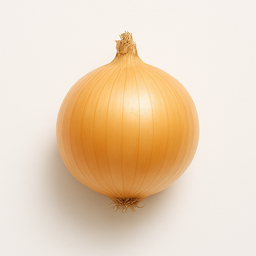 Onion Garlic
 More than 20 organosulfur compounds in one soffritto
Technical: Onion contains diallyl disulfide and quercetin (20-40mg/100g). Garlic contains allicin, ajoene and S-allylcysteine. Together they provide more than 20 different organosulfur compounds that modulate NF-κB. Allium crops are intensively studied in nutrition science for their unique sulfur chemistry.
What does this mean for you? Start every dish with sautéed onion and garlic — not just for flavor, but for the unique concentration of organosulfur compounds. Cut garlic 10 minutes before heating to allow allicin formation.
DigestionImmune System
Ingredients (11)
+8 more ingredientsInstructions
- 1 Heat the sesame oil in a soup pot and sauté the onion and garlic for 3 minutes over medium heat.
- 2 Add the ginger and kimchi and cook for 2 minutes until the kimchi becomes more fragrant.
Nutrition per serving
Indicative values per serving.
Timing & Suitability
Shelf life: 3 days in fridge
Tags & Diet
Allergens: Soy, Sesame