- Easy
- 25 min
- 12 serv.
- 5 synergies
- Fully in season
A smooth chocolate-hazelnut spread built from freshly roasted hazelnuts, raw cacao powder, a little coconut oil for texture, some honey and a pinch of sea salt. Everything goes into the blender until you get a glossy, dark paste that spreads easily on bread, pancakes or overnight oats. No palm oil, no milk powder, no sugar bomb.
Replaces: Nutella, palm-oil-based chocolate spreads, sugar-loaded cocoa spreads
Everything that makes a chocolate spread satisfying — the deep roasted note of hazelnuts, the dark chocolate hit of raw cacao, the smooth, spreadable texture — built from five recognisable ingredients: hazelnuts, cacao powder, coconut oil, honey and a pinch of sea salt. No palm oil, no milk powder, no emulsifiers and no artificial flavourings.
Why better: Hazelnuts are naturally rich in monounsaturated fatty acids and provide vitamin E; vitamin E contributes to the protection of cells from oxidative stress (EU 432/2012). Raw cacao powder is, per USDA data, a source of magnesium (around 500 mg per 100 g); magnesium contributes to normal muscle function, to normal energy-yielding metabolism, to the normal functioning of the nervous system and to normal psychological function (EU 432/2012). Because there is no refined sugar and no palm oil, each spoonful consists of recognisable whole ingredients — the portion is deliberately small (1 tablespoon ≈ 15 g) because a nut butter is energy-dense.
- 15
- min prep
- 10
- min cook
- 25
- min total
Nutritional Synergies
This recipe combines ingredients that enhance each other:
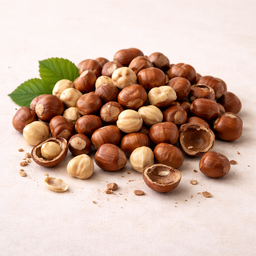 Hazelnuts
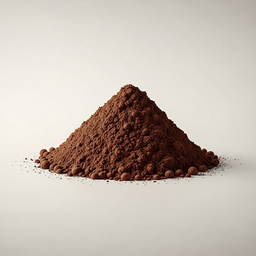 Raw cacao powder
Vitamin E + flavanols: complementary pathways via LDL oxidation inhibition and endothelial function
Technical: Hazelnuts contain 15mg vitamin E per 100g (100% RDI) — the highest concentration of all nuts. Cacao provides epicatechin and catechin (flavanols, 43mg/g in raw cacao). Vitamin E inhibits oxidation of LDL particles, while flavanols influence endothelial function via NO production (+30% flow-mediated dilation). Together: vitamin E inhibits ox-LDL formation, flavanols influence vascular function. Vitamin E also increases flavanol stability.
What does this mean for you? Hazelnut-cacao combination (like Nutella but pure) works through two complementary biochemical pathways. Use raw cacao and unroasted hazelnuts for maximum effect. 30g hazelnuts + 10g cacao per day.
HeartFocusAnti-inflammatory
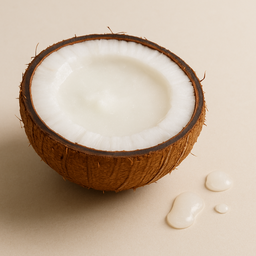 Coconut Oil Raw cacao powder
Coconut oil with cacao: fat and cocoa flavanols in one creamy base for chocolate recipes
Technical: Cacao contains flavanols such as epicatechin; coconut oil consists largely of medium-chain fatty acids. Whether this combination affects the absorption or activity of these compounds is not backed by a reviewed source.
What does this mean for you? A teaspoon of coconut oil in hot cocoa or in a chocolate recipe makes the texture creamier and adds a light coconut note.
HeartFocusAnti-inflammatory
Coconut Oil 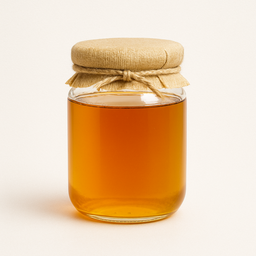 Honey
MCTs protect honey enzymes — complementary bioactive compounds
Technical: Coconut oil contains lauric acid (48%), a medium-chain fatty acid (MCT). Honey contains glucose oxidase producing hydrogen peroxide. Together they provide complementary bioactive compounds. MCTs also help preserve fat-soluble compounds in honey.
What does this mean for you? Combine coconut oil with honey in energy balls, granola or as coating for snacks. The combination is both flavorful and functional.
Immune SystemEnergyDigestion
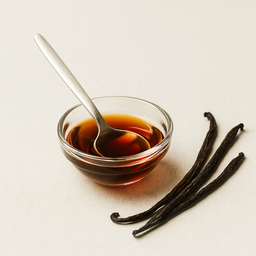 Vanilla Extract Raw cacao powder
Vanillin enhances chocolate flavor perception
Technical: Vanillin (the main aroma molecule in vanilla) binds to the same olfactory receptors as chocolate aromatics (pyrazines, Maillard compounds). This enhances perceived chocolate flavor without extra sugar or cocoa. Research shows vanillin increases sweetness perception by 10-15%, requiring less sugar.
What does this mean for you? Add vanilla extract to chocolate baking or hot chocolate. You need less sugar because vanilla enhances the chocolate flavor and sweetness.
General Wellness
Vanilla Extract Honey Vanillin + honey enzymes: aroma and softness
Technical: Vanilla extract contains vanillin (1-2%), an antioxidant that scores higher than vitamin C in an in-vitro DPPH assay; vanillin is studied in relation to GABA-A receptors and MAO-B. Honey provides enzymes (glucose oxidase, catalase) and prebiotic oligosaccharides; most of the body's serotonin is made in the gut, which makes the microbiome a research topic. The combination is above all aromatic: vanillin + the floral flavours of honey.
What does this mean for you? Add a few drops of real vanilla extract to warm honey milk or tea: comfort food — warm, sweet and floral.
Stress ReliefSleep
Ingredients (6)
- Hazelnuts — 200 g raw, unsalted hazelnuts — they are roasted in step 1
- Raw cacao powder — 30 g unsweetened; sifted if lumpy
Instructions
- 1 Preheat the oven to 180°C (fan). Spread the hazelnuts in a single layer on a baking sheet and roast for 8-10 minutes until the skins crack and the nuts are fragrant and light brown. Too dark gives a bitter aftertaste.
Nutrition per serving
Indicative values per serving.
Timing & Suitability
Shelf life: 10 days in fridge
Tags & Diet
Allergens: Nuts