- Easy
- 5 min
- 2 serv.
- 9 synergies
- Now at its best: Honey
A quick bowl with full-fat Greek yogurt, walnuts, figs and pomegranate seeds. Honey and cinnamon add a soft, warm flavor. Suitable for breakfast or as a filling snack.
This bowl is all about contrast: cool, rich yogurt as the base, sweet figs and pomegranate seeds on top, with crunchy walnuts for balance. Honey runs in thin ribbons through the yogurt and catches the cinnamon, making each spoonful taste a little warmer than you expect from a chilled bowl. The result is a breakfast that feels both fresh and soft, with enough texture to stay interesting. Perfect for a calm morning or as a quick bowl after a busy day.
- 5
- min prep
- 0
- min cook
- 5
- min total
Nutritional Synergies
This recipe combines ingredients that enhance each other:
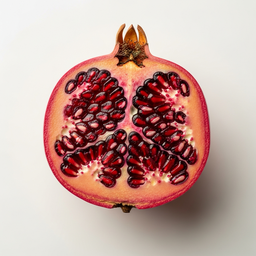 Pomegranate seeds
 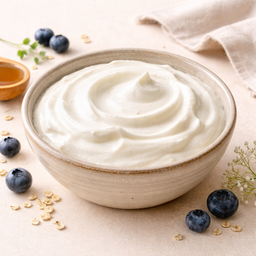 Full-fat Greek yogurt
 Punicalagins + probiotics for microbiome and urolithin conversion
Technical: Pomegranate contains punicalagins that are converted in the gut to urolithins by bacteria. Yogurt provides probiotics that improve this conversion. The combination strengthens both the bacterial colony and the production of bioactive urolithins — a truly synbiotic effect.
What does this mean for you? Add pomegranate seeds to yogurt. The seeds give a crunchy texture and tart flavor, while the probiotics in yogurt strengthen the conversion of pomegranate polyphenols into bioactive urolithins.
DigestionImmune SystemAnti-inflammatory
Pomegranate seeds 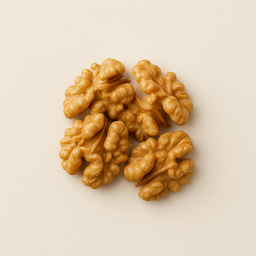 Walnuts
 Complementary polyphenols and omega-3
Technical: Pomegranate contains punicalagins studied in research in connection with LDL oxidation. Walnuts provide ALA omega-3 (9g per 100g); alpha-linolenic acid contributes to the maintenance of normal blood cholesterol levels (EFSA). Both contain unique polyphenols (pomegranate: ellagitannins, walnuts: ellagic acid + pedunculagin) with complementary bioactive pathways.
What does this mean for you? Sprinkle pomegranate seeds and chopped walnuts over your salad or yogurt. This combination provides complementary plant compounds through two routes: polyphenols (pomegranate) + omega-3 fatty acids (walnuts).
Heart
Full-fat Greek yogurt 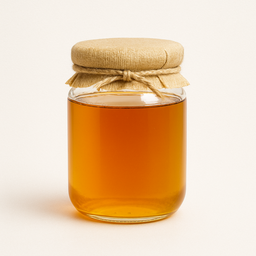 Honey
Honey Prebiotic honey feeds probiotic bacteria in yogurt (synbiotic effect)
Synbiotics improve probiotic survival (PMID: 16633129)
Technical: Greek yogurt contains live probiotics (Lactobacillus, Streptococcus). Honey contains oligosaccharides and FOS acting as prebiotics. This 'synbiotic' — pre- and probiotics together — increases survival and colonization of probiotic bacteria in the gut by 10-100x. The prebiotic fibers give bacteria nutrition to multiply.
What does this mean for you? Add raw honey to your Greek yogurt. The honey doesn't just sweeten — it literally feeds the good bacteria from the yogurt so they survive in your gut.
DigestionImmune System
Full-fat Greek yogurt 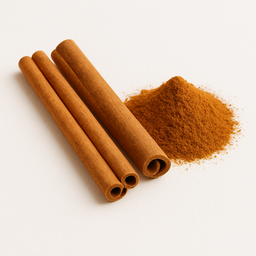 Cinnamon
 Probiotics + AMPK activation for metabolic balance
Cinnamon improves insulin sensitivity (PMID: 20854384)
Technical: Greek yogurt has a low GI (11-14) and contains probiotics that influence insulin sensitivity via the gut-pancreas axis. Cinnamon contains MHCP (methylhydroxy chalcone polymers) that activate AMPK and sensitize insulin receptors. Together they modulate postprandial glycemic response.
What does this mean for you? Add a teaspoon of cinnamon to your Greek yogurt. The cinnamon contains bioactive polyphenols that activate AMPK, the yogurt keeps your blood sugar low anyway — together they keep your energy level stable.
Blood SugarDigestionWeight Loss
Cinnamon Honey Traditional warm combination of cinnamon and honey
Technical: Cinnamon contains cinnamaldehyde and proanthocyanidins with bioactive action via cell wall disruption. Honey's glucose oxidase produces hydrogen peroxide with bioactive action, while honey's high viscosity forms a physical barrier. Two independent bioactive mechanisms that work more broadly together.
What does this mean for you? Cinnamon + honey in warm tea — a classic combination. Both have bioactive action via different pathways — broader together than alone.
Immune System
Cinnamon Walnuts Cinnamon's insulin sensitivity + walnut omega-3 for metabolic health
Technical: Cinnamaldehyde activates AMPK and improves insulin signaling, while walnuts' ALA (alpha-linolenic acid) and ellagitannins regulate fat metabolism via PPARγ activation. Together they improve glucose metabolism via two complementary pathways.
What does this mean for you? Sprinkle walnuts with cinnamon as a snack or in your oatmeal — a delicious combination that supports your blood sugar and fat metabolism.
Blood SugarHeartWeight Loss
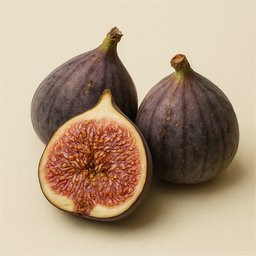 Fresh figs Honey
 Prebiotic FOS + enzymatic honey compounds for gut flora
Technical: Figs contain fructo-oligosaccharides (FOS, 3-5g/100g dried) selectively feeding Bifidobacterium and Lactobacillus. Studies show 40% increase in bifido population after 4 weeks fig consumption. Honey provides glucose oxidase producing H2O2, plus defensin-1 — bioactive peptides that influence the composition of the gut microbiome. FOS from figs stimulate growth of beneficial bacteria, while bioactive compounds from honey support microbiome balance.
What does this mean for you? Drizzle honey over fresh or dried figs as dessert or snack. This Middle Eastern combination is thousands of years old and offers powerful prebiotic action. The FOS in figs feed good gut bacteria, the bioactive compounds in honey support a healthy microbiome.
DigestionImmune SystemGeneral Wellness
Fresh figs Walnuts Calcium + omega-3 for normal bones
Technical: Dried figs contain 162mg calcium per 100g (13% RDI) — the highest calcium concentration of all fruits. Walnuts provide 9.08g ALA omega-3 per 100g (highest of all nuts) plus 158mg magnesium. Calcium is needed for the maintenance of normal bones (EFSA), and the 2:1 calcium-magnesium ratio suits bone mineralization well. Walnuts provide ALA that is partly converted to EPA.
What does this mean for you? Figs with walnuts is a powerful bone-supporting snack. The calcium from figs contributes to normal bones (EFSA), the walnuts provide omega-3. Ideal for women 40+, athletes and anyone wanting to maintain strong bones.
JointsHeartGeneral Wellness
Walnuts Honey ALA omega-3 + enzymatic honey: complementary bioactive pathways
Technical: Walnuts' ALA (omega-3) influences prostaglandin metabolism via complementary biochemical pathways. Honey's glucose oxidase produces hydrogen peroxide. Together they provide two complementary bioactive pathways: walnuts via the omega-3 → prostaglandin pathway, honey via enzymatic activity.
What does this mean for you? Walnuts with honey is a classic combination — the omega-3 fatty acids influence prostaglandin metabolism, honey provides enzymes such as glucose oxidase. Two complementary pathways in one snack.
HeartImmune SystemEnergy
Instructions
- 1 Divide the Greek yogurt evenly among the bowls.
Nutrition per serving
Indicative values per serving.
Timing & Suitability
Tags & Diet
Allergens: Dairy, Nuts