- Easy
- 60 min
- 2 serv.
- 13 synergies
- Now at its best: Tomato
White fish slowly baking in the oven on a bed of sliced potatoes, bathed in tomato sauce with kalamata olives, oregano and lemon juice. A Greek Sunday dish in its purest form.
Plaki is one of those Greek dishes where nothing is complicated, but everything falls into place if you have the patience to let the oven do the work. Potatoes on the bottom, sliced thin enough to cook through but thick enough not to fall apart. The fish on top — a firm piece of cod or sea bass, salted and patted dry.
Then the sauce. Onion and garlic you sautéed until soft, tomatoes stirred through with oregano and a splash of lemon juice. Kalamata olives scattered over everything — their briny, almost wine-like flavor permeates the whole dish as it bakes.
After forty minutes in the oven: the potatoes have soaked up the tomato sauce, the fish flakes into snow-white pieces, the olives are wrinkled and concentrated. Parsley over it, straight from the baking dish to the table. This is how you eat fish in Greece.
- 15
- min prep
- 45
- min cook
- 60
- min total
Nutritional Synergies
This recipe combines ingredients that enhance each other:
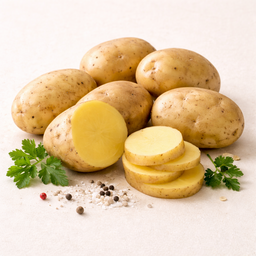 Potato
 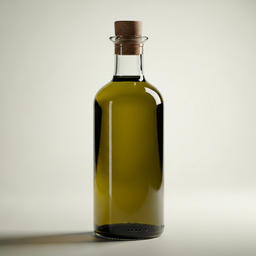 Olive Oil
 Olive oil improves carotenoid absorption from yellow potatoes
Technical: Yellow potato varieties contain up to 400μg carotenoids per 100g, including lutein and violaxanthin. These are fat-soluble and only 5-10% absorbed without fat. Olive oil's oleic acid (73%) forms mixed micelles increasing absorption up to 3x.
What does this mean for you? Roast or fry potatoes in olive oil — this significantly increases carotenoid absorption. Choose yellow varieties for maximum effect.
General WellnessSkin & Hair
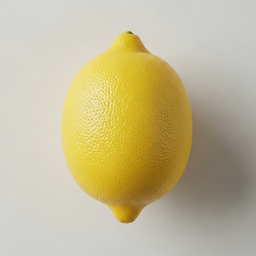 Lemon
Lemon 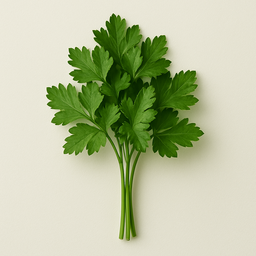 Parsley
 Double vitamin C for maximum iron absorption
Technical: Lemon contains 53mg vitamin C per 100g, parsley 133mg per 100g. Together they provide excess vitamin C that reduces non-heme iron (from vegetables, grains) from Fe³⁺ to Fe²⁺, increasing absorption 3-6x. Parsley also contains 6.2mg iron per 100g.
What does this mean for you? Use lemon + parsley in tabbouleh, dressings and marinades. The combination maximizes iron absorption, ideal for vegetarians.
EnergyImmune System
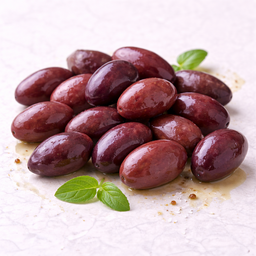 Kalamata Olives Lemon
 Vitamin C protects olive polyphenols from oxidation
Technical: Hydroxytyrosol and oleuropein in Kalamata olives are susceptible to oxidative degradation. Vitamin C (ascorbic acid, 53mg/100g in lemon) acts as primary reductant keeping these polyphenols in their reduced, active form. Citric acid also chelates pro-oxidative metal ions (Fe²⁺, Cu²⁺).
What does this mean for you? Sprinkle Kalamata olives with lemon juice in salads or marinades. Vitamin C keeps polyphenols intact and adds a fresh taste balancing the olive's saltiness.
HeartAnti-inflammatory
Kalamata Olives 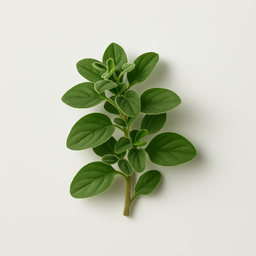 Oregano
 Three polyphenol pathways in one Greek salad
Technical: Kalamata olives contain hydroxytyrosol (3.5mg/100g) and oleuropein — polyphenols from the phenol class. Tomato provides lycopene (2573μg/100g), a carotenoid. Oregano contains carvacrol and thymol, terpene compounds. This trio forms a polyphenol-carotenoid-terpene complex working through three different biochemical pathways.
What does this mean for you? Greek salad (tomato, olives, oregano) is a culinary classic combining three entirely different categories of bioactive compounds. Each ingredient delivers a different type of polyphenol — broader together than apart.
HeartAnti-inflammatory
Kalamata Olives 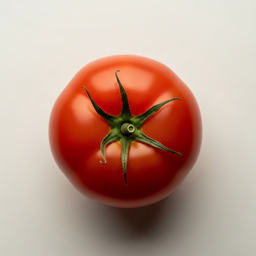 Tomato
 Three polyphenol pathways in one Greek salad
Technical: Kalamata olives contain hydroxytyrosol (3.5mg/100g) and oleuropein — polyphenols from the phenol class. Tomato provides lycopene (2573μg/100g), a carotenoid. Oregano contains carvacrol and thymol, terpene compounds. This trio forms a polyphenol-carotenoid-terpene complex working through three different biochemical pathways.
What does this mean for you? Greek salad (tomato, olives, oregano) is a culinary classic combining three entirely different categories of bioactive compounds. Each ingredient delivers a different type of polyphenol — broader together than apart.
HeartAnti-inflammatory
Olive Oil Lemon Oleic acid + citric acid: complementary pathways for glycemic response
Technical: Lemon contains citric acid that slows gastric emptying, causing carbohydrates from the meal to be absorbed more slowly. Olive oil's fats reinforce this effect by further influencing glycemic response. Together they influence the postprandial glucose response via two complementary mechanisms. Olive oil's oleocanthal and lemon's vitamin C additionally provide complementary antioxidant action.
What does this mean for you? A simple dressing of olive oil and lemon juice over your salad is one of the smartest combinations you can make. The two mechanisms (delayed gastric emptying + fat slowing) work together to influence the glucose response after your meal.
EnergyDigestion
Olive Oil 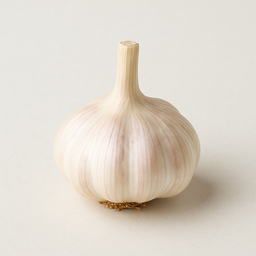 Garlic
 Aglio e olio: allicin + oleocanthal via complementary biochemical pathways
Technical: Garlic contains allicin (formed when cutting/crushing) that influences HMG-CoA reductase (involved in lipid metabolism). Olive oil contains oleocanthal that modulates COX-1/2 enzymes. Together they influence lipid metabolism and prostaglandin cascade via complementary biochemical pathways. The fat also helps absorb fat-soluble garlic compounds.
What does this mean for you? Gently warm garlic in olive oil (don't burn!) as the base for many dishes. This is why 'aglio e olio' pasta is so beloved — two bioactive compounds that reinforce each other.
HeartImmune System
Olive Oil Tomato Mediterranean golden rule: fat increases lycopene absorption 4x
Fat significantly increases lycopene bioavailability (PMID: 15927929)
Technical: Tomatoes contain lycopene (3-7mg per 100g), a carotenoid with strong antioxidant action. Lycopene is fat-soluble with only 10-15% absorption without fat. Olive oil increases this to 40-60% (2.5-4x improvement). Cooking further increases lycopene bioavailability.
What does this mean for you? Always add olive oil to tomato dishes — sauces, salads, bruschetta. This is why Mediterranean cuisine is so healthy. Cooked tomatoes with olive oil = maximum lycopene.
HeartSkin & Hair
Oregano Olive Oil Fat makes carvacol and thymol absorbable
Lambert JD et al. (2004) in Molecular Nutrition & Food Research showed that dietary fats enhance absorption of phenolic compounds from herbs.
Technical: Oregano contains carvacrol (60-74%) and thymol (1-5%) — potent phenolic compounds with broad bioactivity, traditionally valued in food preservation. These compounds are fat-soluble and poorly absorbed without fat. Olive oil dissolves them and significantly increases their bioavailability. This explains why oregano oil always comes in a carrier oil.
What does this mean for you? Cook oregano in olive oil or make oregano-olive oil dressing. The bioactive compounds in oregano are fat-soluble — without oil you barely absorb them.
Immune SystemDigestion
Oregano Tomato Mediterranean synergy - antioxidants stabilize lycopene
Böhm V et al. (2002) in Journal of Nutrition showed that antioxidants improve lycopene stability.
Technical: Oregano's antioxidants (rosmanol, carvacrol, thymol) protect lycopene from tomato against thermal degradation during cooking. Lycopene is heat-labile but released from cell walls by heating. The herbs act as an antioxidant shield: they scavenge free radicals that would break down lycopene.
What does this mean for you? Add oregano to tomato sauce during cooking. The oregano protects the lycopene while heat releases it — that's why Italian tomato sauce with oregano is so healthy.
HeartImmune System
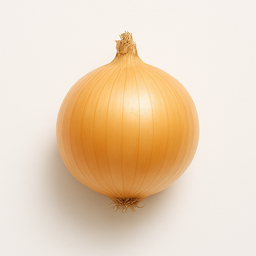 Onion Garlic
 More than 20 organosulfur compounds in one soffritto
Technical: Onion contains diallyl disulfide and quercetin (20-40mg/100g). Garlic contains allicin, ajoene and S-allylcysteine. Together they provide more than 20 different organosulfur compounds that modulate NF-κB. Allium crops are intensively studied in nutrition science for their unique sulfur chemistry.
What does this mean for you? Start every dish with sautéed onion and garlic — not just for flavor, but for the unique concentration of organosulfur compounds. Cut garlic 10 minutes before heating to allow allicin formation.
DigestionImmune System
Onion Tomato Quercetin + lycopene: synergistic polyphenol-carotenoid combination
Technical: Quercetin from onion (20-40mg/100g) and lycopene from tomato (2573μg/100g) work through different mechanisms. Quercetin chelates metal ions and modulates lipid peroxidation, lycopene quenches singlet oxygen. Combined polyphenols and carotenoids work synergistically — the combination works through complementary mechanisms.
What does this mean for you? Tomato sauce with onion is the base of nearly every Mediterranean cuisine — and rightly so. Quercetin and lycopene enhance each other's action through complementary biochemical pathways. Cooking in olive oil makes carotenoids more absorbable.
HeartAnti-inflammatory
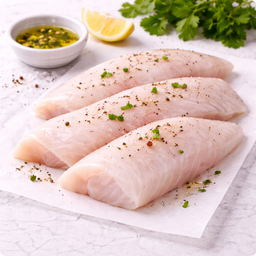 White Fish Lemon
 Vitamin C improves mineral absorption from white fish
Technical: White fish (cod, tilapia, plaice) contains 0.3mg iron, 32μg selenium and 18-20g protein per 100g. Vitamin C from lemon reduces Fe³⁺ to Fe²⁺ forming soluble chelates. The acidic environment also improves protein denaturation making peptides more accessible to pepsin and trypsin.
What does this mean for you? Fish with lemon is a universal combination for good reason. Lemon juice improves mineral absorption and makes protein more digestible. Fish and chips with lemon? Scientifically justified!
EnergyGeneral Wellness
Ingredients (10)
+8 more ingredientsInstructions
- 1 Preheat oven to 180°C. Peel potatoes and slice 5 mm thin.
- 2 Heat olive oil over medium heat. Sauté onion 4 minutes until translucent, add garlic and cook 1 minute.
Nutrition per serving
Indicative values per serving.
Timing & Suitability
Shelf life: 3 days in fridge
Tags & Diet
Allergens: Fish