- Easy
- 25 min
- 2 serv.
- 5 synergies
- Now at its best: Garlic
The national breakfast of Egypt — slow-cooked fava beans with fresh garlic, cumin and olive oil. Hearty, savory and surprisingly quick to prepare.
In Cairo, mornings begin with the scent of cumin curling up from street carts. Ful Medames is as everyday as bread there — and has been for over four thousand years. You mash the soft fava beans with a fork, just enough to leave some pieces to bite into. Then that drizzle of olive oil, a squeeze of lemon and the warm breath of cumin. The beans glisten as you spoon them into bowls, and on top you lay halved eggs, bright red tomato pieces and a handful of chopped parsley that falls like confetti at a party. Tear warm pita alongside and you understand why this dish has fed entire civilizations.
- 10
- min prep
- 15
- min cook
- 25
- min total
Nutritional Synergies
This recipe combines ingredients that enhance each other:
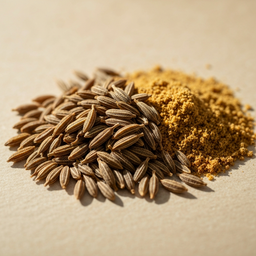 Cumin
Cumin 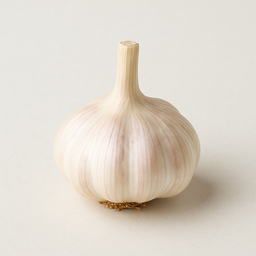 Garlic
 Double digestive support: enzymes + bioactive compounds
Technical: Cumin promotes digestive enzyme activity (amylase, lipase, protease) and increases bile flow. Garlic's allicin has broad bioactivity targeting pathogenic gut bacteria while sparing beneficial ones.
What does this mean for you? Fry garlic and cumin together as base for curries, soups and stews. Classic combination in virtually every cuisine in the world.
DigestionImmune System
Cumin 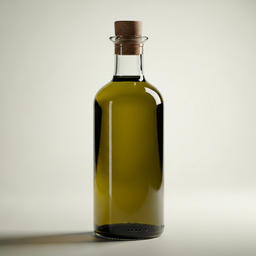 Olive Oil
 Fat activates volatile oils and increases cuminaldehyde absorption
Technical: Cumin's active compounds (cuminaldehyde, cymene, terpinene) are volatile, fat-soluble compounds. Frying in olive oil extracts and stabilizes these compounds, and the fat improves their gut absorption.
What does this mean for you? Briefly fry cumin in olive oil before adding other ingredients (tadka/tempering). This is why Indian and Middle Eastern cuisines always fry cumin in oil.
DigestionAnti-inflammatoryBlood Sugar
Olive Oil Garlic Aglio e olio: allicin + oleocanthal via complementary biochemical pathways
Technical: Garlic contains allicin (formed when cutting/crushing) that influences HMG-CoA reductase (involved in lipid metabolism). Olive oil contains oleocanthal that modulates COX-1/2 enzymes. Together they influence lipid metabolism and prostaglandin cascade via complementary biochemical pathways. The fat also helps absorb fat-soluble garlic compounds.
What does this mean for you? Gently warm garlic in olive oil (don't burn!) as the base for many dishes. This is why 'aglio e olio' pasta is so beloved — two bioactive compounds that reinforce each other.
HeartImmune System
Olive Oil 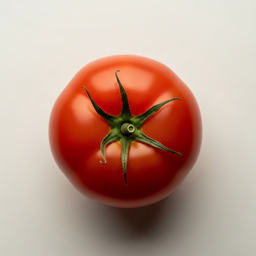 Tomato
 Mediterranean golden rule: fat increases lycopene absorption 4x
Fat significantly increases lycopene bioavailability (PMID: 15927929)
Technical: Tomatoes contain lycopene (3-7mg per 100g), a carotenoid with strong antioxidant action. Lycopene is fat-soluble with only 10-15% absorption without fat. Olive oil increases this to 40-60% (2.5-4x improvement). Cooking further increases lycopene bioavailability.
What does this mean for you? Always add olive oil to tomato dishes — sauces, salads, bruschetta. This is why Mediterranean cuisine is so healthy. Cooked tomatoes with olive oil = maximum lycopene.
HeartSkin & Hair
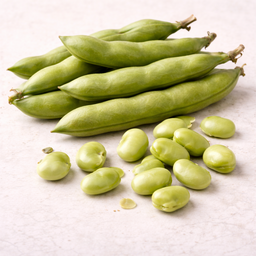 Fava Beans Olive Oil
 Fat increases absorption of fat-soluble vitamins from fava beans
Technical: Fava beans contain L-DOPA (dopamine precursor) and folate (B9). Olive oil's fats improve absorption of fat-soluble nutrients and protect L-DOPA from oxidation.
What does this mean for you? Serve fava beans with olive oil (classic in foul medames). The oil maximizes nutrient absorption.
EnergyFocus
Instructions
- 1 Heat the fava beans with a little of their liquid in a pan.
Nutrition per serving
Indicative values per serving.
Timing & Suitability
Shelf life: 4 days in fridge
Tags & Diet
Allergens: Eggs