- Easy
- 30 min
- 2 serv.
- 10 synergies
- Now at its best: Onion
A savoury Korean jjigae with fermented soybean paste, tofu, zucchini, shiitake, red chilli, ginger and spring onion.
Doenjang jjigae is a soup that does not try to be soft or timid: it is deep, salty, savoury and full of umami. The doenjang dissolves into the hot water and immediately turns the broth into something hearty and earthy. Onion, garlic and ginger bring warmth, zucchini softens the bowl and shiitake adds the deep mushroom flavour that works so well with Korean soybean paste. The tofu goes in later so the cubes stay intact while gently soaking up the broth. Finished with spring onion, every bowl feels fresh, spicy and quietly powerful.
- 10
- min prep
- 20
- min cook
- 30
- min total
Nutritional Synergies
This recipe combines ingredients that enhance each other:
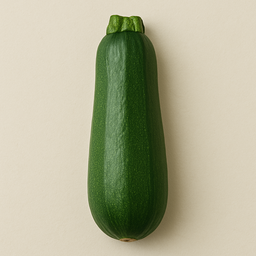 Zucchini
 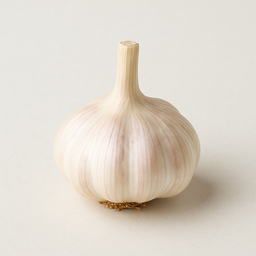 Garlic
 Potassium + allicin: complementary mineral-sulfur pathway
Technical: Zucchini contains 261mg potassium per 100g — potassium contributes to the maintenance of normal blood pressure (EFSA-approved). Garlic's allicin influences angiotensin-converting enzyme (ACE) and stimulates NO production via the nitrate-nitrite-NO pathway. Together they influence vascular physiology via two complementary mechanisms: electrolyte balance and NO signaling.
What does this mean for you? Sautéed zucchini with garlic is a simple side dish with two pathways influencing vascular physiology. Potassium from zucchini and allicin from garlic work complementarily. Add olive oil for extra polyphenols.
HeartAnti-inflammatory
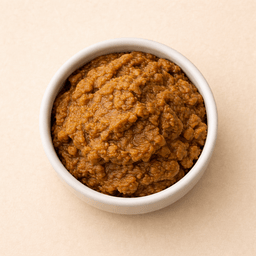 Doenjang Garlic
 Isoflavones + allicin: complementary bioactive compounds
Isoflavones and allicin inhibit NF-κB inflammatory pathway via complementary mechanisms
Technical: Doenjang fermentation increases isoflavones (genistein, daidzein) studied in research in connection with NF-κB signaling. Allicin from garlic affects NF-κB through different mechanisms. Together they provide bioactive compounds via multiple pathways. Traditional Korean ssamjang combination.
What does this mean for you? Doenjang with garlic (traditional Korean) is a powerful combination of fermented and fresh bioactive compounds. Both work together through complementary mechanisms — a cornerstone of Korean cuisine for centuries.
Anti-inflammatoryHeart
Doenjang 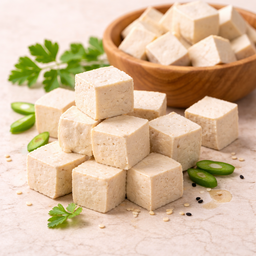 Firm tofu
 Complementary isoflavone delivery: fermented aglycone + unfermented glycoside
Fermented soy aglycones are absorbed 2-3x faster than unfermented glycosides (PMID: 30035387)
Technical: Fermentation in doenjang converts isoflavone glycosides to aglycones (genistein, daidzein) absorbed 2-3x faster in the small intestine. Tofu still contains unhydrolyzed glycoside forms released more slowly but longer via intestinal bacterial hydrolysis. Together they create a pharmacokinetic profile with rapid peak concentration (doenjang) plus extended duration (tofu).
What does this mean for you? Doenjang jjigae with tofu (classic Korean) delivers isoflavones two ways: fast via the fermented paste and slow via the tofu. This provides longer-lasting exposure to these bioactive compounds.
HeartAnti-inflammatory
Garlic 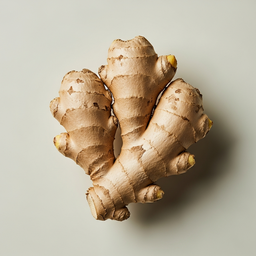 Fresh ginger
 Allicin + gingerols: complementary bioactive action
Technical: Garlic's allicin works via thiol enzyme inhibition — effective against gram-positive bacteria (Staphylococcus, Streptococcus). Ginger's gingerols and shogaols influence viral replication and stimulate interferon production. Together they cover both bacterial and viral pathways.
What does this mean for you? Garlic-ginger tea is a classic combination. Garlic works via thiol enzymes, ginger via interferon pathways. Cut both fresh for maximum active compounds — allicin only forms after 10 minutes of air exposure.
Immune System
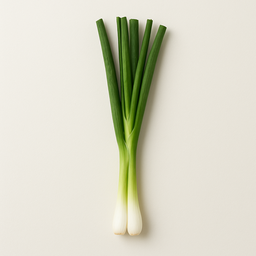 Spring onion Firm tofu
 Allicin improves iron absorption from plant sources
Technical: Tofu contains 5.4mg non-heme iron per 100g, but also phytate (inositol hexaphosphate) that binds iron. Green onion's sulfur compounds (allyl sulfides) reduce phytate binding through pH lowering in the gut. Vitamin C in green onion (18.8mg/100g) reduces Fe³⁺ to Fe²⁺ for better absorption via DMT-1 transport proteins.
What does this mean for you? Always garnish tofu with green onion — the sulfur compounds free iron that would otherwise remain bound to phytate. Essential for vegetarians and vegans relying on plant-based iron.
EnergyGeneral Wellness
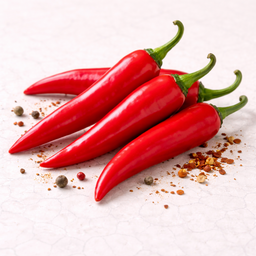 Red chilli Garlic
 Capsaicin + allicin: complementary bioactive sulfur pathways
Technical: Capsaicin from red pepper inhibits bacterial biofilm formation and is effective against H. pylori via TRPV1 receptor activation. Garlic's allicin works via thiol enzyme inhibition and has bioactive action against gram-positive bacteria. Together they cover a broader spectrum of bioactive pathways. Capsaicin also stimulates mucus production in the GI tract.
What does this mean for you? Red pepper with garlic is the base of countless cuisines worldwide — from sambal to harissa. Not just tasty heat, but also two complementary bioactive pathways in one spice combination.
Immune SystemAnti-inflammatory
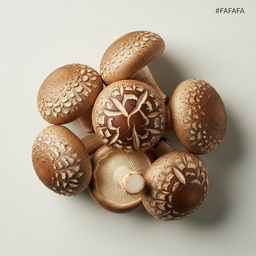 Shiitake mushrooms Fresh ginger
 Asian combination of beta-glucans and gingerols
Technical: Shiitake contains lentinan (a beta-1,3-glucan) and, after UV exposure, provides vitamin D — one of the few plant-based sources. Ginger contains gingerols, the bioactive compounds behind its pungency that are studied in research in connection with inflammatory processes. Together they provide complementary plant compounds.
What does this mean for you? Stir-fry shiitake with fresh ginger in sesame oil — a classic Asian combination. Good to know: vitamin D contributes to the normal function of the immune system (EFSA-approved), and UV-exposed shiitake is a rare plant-based source of it.
Immune SystemAnti-inflammatory
Shiitake mushrooms Garlic Asian staple combination of shiitake and garlic
Technical: Shiitake contains lentinan, a beta-1,3-glucan that activates natural killer (NK) cells and macrophages via Dectin-1 receptors. Garlic contains allicin, which acts through a different biochemical pathway involving T-cells and interferon production. The two ingredients thus combine distinct bioactive compounds.
What does this mean for you? Stir-fry shiitake with garlic in a wok or soup — it's a staple of Asian cuisine for good reason. Good to know: vitamin D contributes to the normal function of the immune system (EFSA-approved), and UV-exposed shiitake is one of the few plant-based sources of it.
Immune System
Firm tofu Fresh ginger Isoflavones + gingerols: complementary bioactive compounds
Technical: Tofu's isoflavones and ginger's gingerols are both studied in research in connection with cellular signaling pathways. Together they provide a broad spectrum of bioactive compounds through complementary mechanisms.
What does this mean for you? Marinate tofu in ginger-soy sauce for a powerful combination of bioactive plant compounds. A classic Asian preparation combining protein and phytochemicals.
Anti-inflammatoryJoints
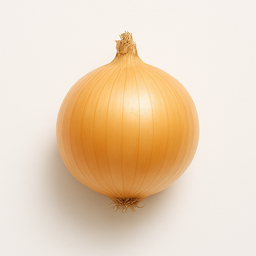 Onion Garlic
 More than 20 organosulfur compounds in one soffritto
Technical: Onion contains diallyl disulfide and quercetin (20-40mg/100g). Garlic contains allicin, ajoene and S-allylcysteine. Together they provide more than 20 different organosulfur compounds that modulate NF-κB. Allium crops are intensively studied in nutrition science for their unique sulfur chemistry.
What does this mean for you? Start every dish with sautéed onion and garlic — not just for flavor, but for the unique concentration of organosulfur compounds. Cut garlic 10 minutes before heating to allow allicin formation.
DigestionImmune System
Ingredients (10)
- Doenjang — 30 g Korean fermented soybean paste; check for wheat if cooking gluten-free
- Firm tofu — 200 g cubed
Instructions
- 1 Bring 600 ml water to a boil in a saucepan.
- 2 Lower the heat slightly, stir in the doenjang and dissolve the paste completely in the hot water.
Nutrition per serving
Indicative values per serving.
Timing & Suitability
Shelf life: 2 days in fridge
Tags & Diet
Allergens: Soy