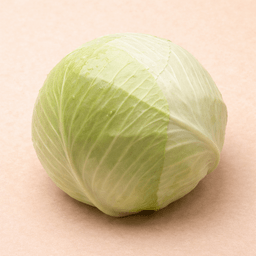
White Cabbage
Cruciferous Vegetable
What is this ingredient?
White cabbage (Brassica oleracea var. capitata) is a compact cabbage with light green leaves belonging to the cruciferous vegetables, a plant family that is intensively studied by researchers [1].
## Glucosinolates and Cellular Research
Cabbage contains glucosinolates, sulfur-containing compounds that are converted to sulforaphane and other isothiocyanates during digestion [2]. These substances activate the Nrf2/ARE pathway, a signaling route involved in the cellular stress response [2]. Cruciferous vegetables are among the most studied vegetable groups in epidemiological nutrition research [1].
## Vitamin C Powerhouse
With 36.6mg vitamin C per 100g, cabbage provides 40% of the daily recommended amount. Vitamin C stimulates white blood cells, improves phagocytosis, and supports epithelial barriers against pathogens [4]. Eating raw preserves maximum vitamin C.
## Vitamin K and Bone Health
Cabbage provides 76mcg vitamin K per 100g, essential for blood clotting and bone mineralization. Vitamin K γ-carboxylates osteocalcin, a protein that binds calcium in bones [5].
## Fermentation: Sauerkraut
Fermented cabbage (sauerkraut) contains probiotic bacteria that strengthen gut flora and reduce intestinal inflammation. The fermentation process increases nutrient bioavailability.
How does it taste?
Mild, slightly peppery and faintly sweet. Cooking makes it softer and sweeter.
Pairs well with:
Pairs well with carawayapplevinegarbacon and mustard.
Did you know...?
- Cabbage is one of the oldest cultivated vegetables, grown for over 4,000 years.
- Broccoli, cauliflower, and Brussels sprouts are all descendants of the same wild cabbage plant.
Nutritional Value & Energy
Per 100g
White Cabbage is low in calories thanks to natural nutrients , buffered by fiber.
Per 100g
Minerals
Vitamins
Omega-3 fatty acids
More nutrients
B-Vitamins
Trace Minerals
What's in a serving?
1 serving
White Cabbage naturally contains vitamin c (36.6 mg per 100 g).
White Cabbage naturally contains vitamin k (76 mcg per 100 g).
White Cabbage naturally contains folate (43 mcg per 100 g).
% of daily reference intake (DRI)
EU-approved nutrition claims
This ingredient contains nutrients for which EFSA-authorized health claims exist (at nutrient level, not ingredient-specific).
Approved health claims (EU)
Vitamin_c EU 432/2012
Vitamin C contributes to the normal function of the immune system
Contains 36.6mg/100g (threshold: ≥12mg/100g)
Vitamin_c EU 432/2012
Vitamin C contributes to the reduction of tiredness and fatigue
Contains 36.6mg/100g (threshold: ≥12mg/100g)
Vitamin_c EU 432/2012
Vitamin C contributes to normal collagen formation for the normal function of skin
Contains 36.6mg/100g (threshold: ≥12mg/100g)
Folate EU 432/2012
Folate contributes to normal blood formation
Contains 43mcg/100g (threshold: ≥30mcg/100g)
Folate EU 432/2012
Folate contributes to normal amino acid synthesis
Contains 43mcg/100g (threshold: ≥30mcg/100g)
Folate EU 432/2012
Folate contributes to normal homocysteine metabolism
Contains 43mcg/100g (threshold: ≥30mcg/100g)
Folate EU 432/2012
Folate contributes to normal psychological function
Contains 43mcg/100g (threshold: ≥30mcg/100g)
Folate EU 432/2012
Folate contributes to the normal function of the immune system
Contains 43mcg/100g (threshold: ≥30mcg/100g)
Folate EU 432/2012
Folate has a role in the process of cell division
Contains 43mcg/100g (threshold: ≥30mcg/100g)
Folate EU 432/2012
Folate contributes to maternal tissue growth during pregnancy
Contains 43mcg/100g (threshold: ≥30mcg/100g)
Vitamin_c EU 432/2012
Vitamin C contributes to normal collagen formation for the normal function of blood vessels
Contains 36.6mg/100g (threshold: ≥12mg/100g)
Vitamin_c EU 432/2012
Vitamin C contributes to normal collagen formation for the normal function of bones
Contains 36.6mg/100g (threshold: ≥12mg/100g)
Vitamin_c EU 432/2012
Vitamin C contributes to normal collagen formation for the normal function of cartilage
Contains 36.6mg/100g (threshold: ≥12mg/100g)
Vitamin_c EU 432/2012
Vitamin C contributes to normal collagen formation for the normal function of gums
Contains 36.6mg/100g (threshold: ≥12mg/100g)
Vitamin_c EU 432/2012
Vitamin C contributes to normal collagen formation for the normal function of teeth
Contains 36.6mg/100g (threshold: ≥12mg/100g)
Vitamin_c EU 432/2012
Vitamin C contributes to normal energy-yielding metabolism
Contains 36.6mg/100g (threshold: ≥12mg/100g)
Vitamin_c EU 432/2012
Vitamin C contributes to normal functioning of the nervous system
Contains 36.6mg/100g (threshold: ≥12mg/100g)
Vitamin_c EU 432/2012
Vitamin C contributes to normal psychological function
Contains 36.6mg/100g (threshold: ≥12mg/100g)
Vitamin_c EU 432/2012
Vitamin C contributes to the protection of cells from oxidative stress
Contains 36.6mg/100g (threshold: ≥12mg/100g)
Vitamin_c EU 432/2012
Vitamin C contributes to the regeneration of the reduced form of vitamin E
Contains 36.6mg/100g (threshold: ≥12mg/100g)
Vitamin_c EU 432/2012
Vitamin C increases iron absorption
Contains 36.6mg/100g (threshold: ≥12mg/100g)
Vitamin_c EU 432/2012
Vitamin C contributes to maintain the normal function of the immune system during and after intense physical exercise
Contains 36.6mg/100g (threshold: ≥12mg/100g)
Vitamin_k EU 432/2012
Vitamin K contributes to normal blood clotting
Contains 76mcg/100g (threshold: ≥11.25mcg/100g)
Vitamin_k EU 432/2012
Vitamin K contributes to the maintenance of normal bones
Contains 76mcg/100g (threshold: ≥11.25mcg/100g)
What's being researched?
Glutamine and stomach lining research
Cabbage juice contains glutamine being studied for potential protective effects on the stomach lining. Historical research showed promising results, but modern confirmation is limited.
Supported by: [1] Verhoeven (1996) , [4] Carr (2017)
Glucosinolates and cellular research
Glucosinolates in cabbage are being studied for potential protective effects at the cellular level. Epidemiological studies associate cruciferous vegetables with reduced risk, but causal evidence is still developing.
Supported by: [1] Verhoeven (1996) , [4] Carr (2017)
Good Combinations (Synergy)
Combine white cabbage smartly to enhance the effect:
White Cabbage 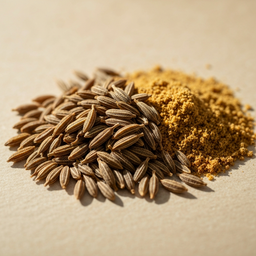 Cumin
Cumin Cumin improves digestibility of cruciferous vegetables
Technical: Cabbage contains raffinose and stachyose, oligosaccharides that cause gas in sensitive individuals. Cumin contains thymol (4-10% of essential oil) that activates digestive enzymes and relaxes the intestinal wall (carminative effect). Cuminaldehyde activates pancreatic lipase and bile acid secretion. The combination reduces gas and bloating while keeping cabbage's glucosinolates intact.
What does this mean for you? Add cumin when cooking cabbage — a traditional German/Indian trick against bloating. The cumin relaxes your intestines and helps digest the fiber in cabbage.
White Cabbage 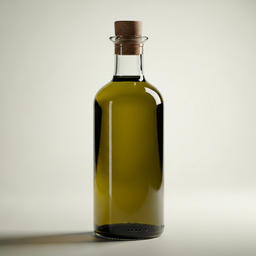 Olive Oil
 Fat increases vitamin K absorption from cabbage by 3x
Technical: Cabbage contains 76μg vitamin K per 100g (85% RDA), a fat-soluble vitamin that contributes to normal blood clotting. Without fat, vitamin K is poorly absorbed (<20%). Olive oil provides monounsaturated fats (73% oleic acid) that promote micelle formation and increase vitamin K absorption 2-3x. Extra virgin olive oil also contains oleocanthal, a polyphenol studied in research.
What does this mean for you? Dress your coleslaw with olive oil or sauté cabbage in olive oil. Without fat most vitamin K is lost — a simple drizzle of olive oil makes a big difference. Vitamin K contributes to normal blood clotting and the maintenance of normal bones (EFSA-approved).
White Cabbage 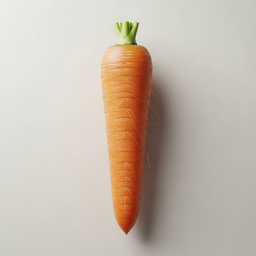 Carrot
 Glucosinolates + beta-carotene (provitamin A): complementary bioactive pathways
Technical: Cabbage contains glucosinolates converted to isothiocyanates (ITC) during digestion — compounds that modulate NF-κB signaling and activate phase-II enzymes. Carrot provides 8285μg beta-carotene per 100g — provitamin A that contributes to the normal function of the immune system (EFSA-approved). Together they offer two complementary bioactive pathways.
What does this mean for you? Coleslaw (cabbage-carrot salad) is more than a side dish. The raw combination maximizes both glucosinolates (heat-sensitive) and beta-carotene. Vitamin A contributes to normal immune system function.
Recipes with White Cabbage
Discover delicious recipes featuring white cabbage:
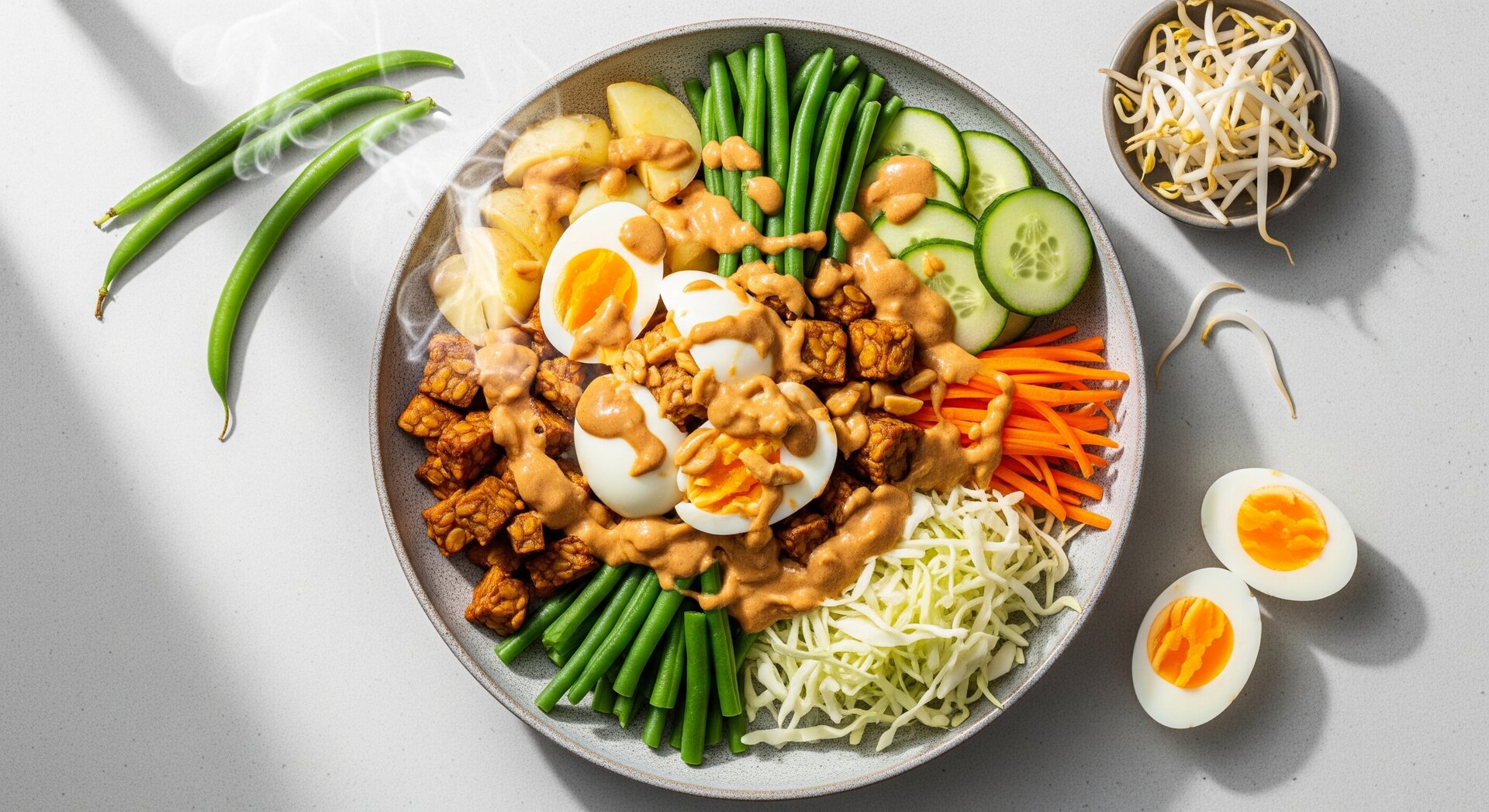 Indonesian Gado-Gado with Peanut Sauce & Tempeh 35 min Indonesian salad with fried tempeh, vegetables, egg and creamy peanut sauce
  742 kcal
  34g protein 2 synergies
 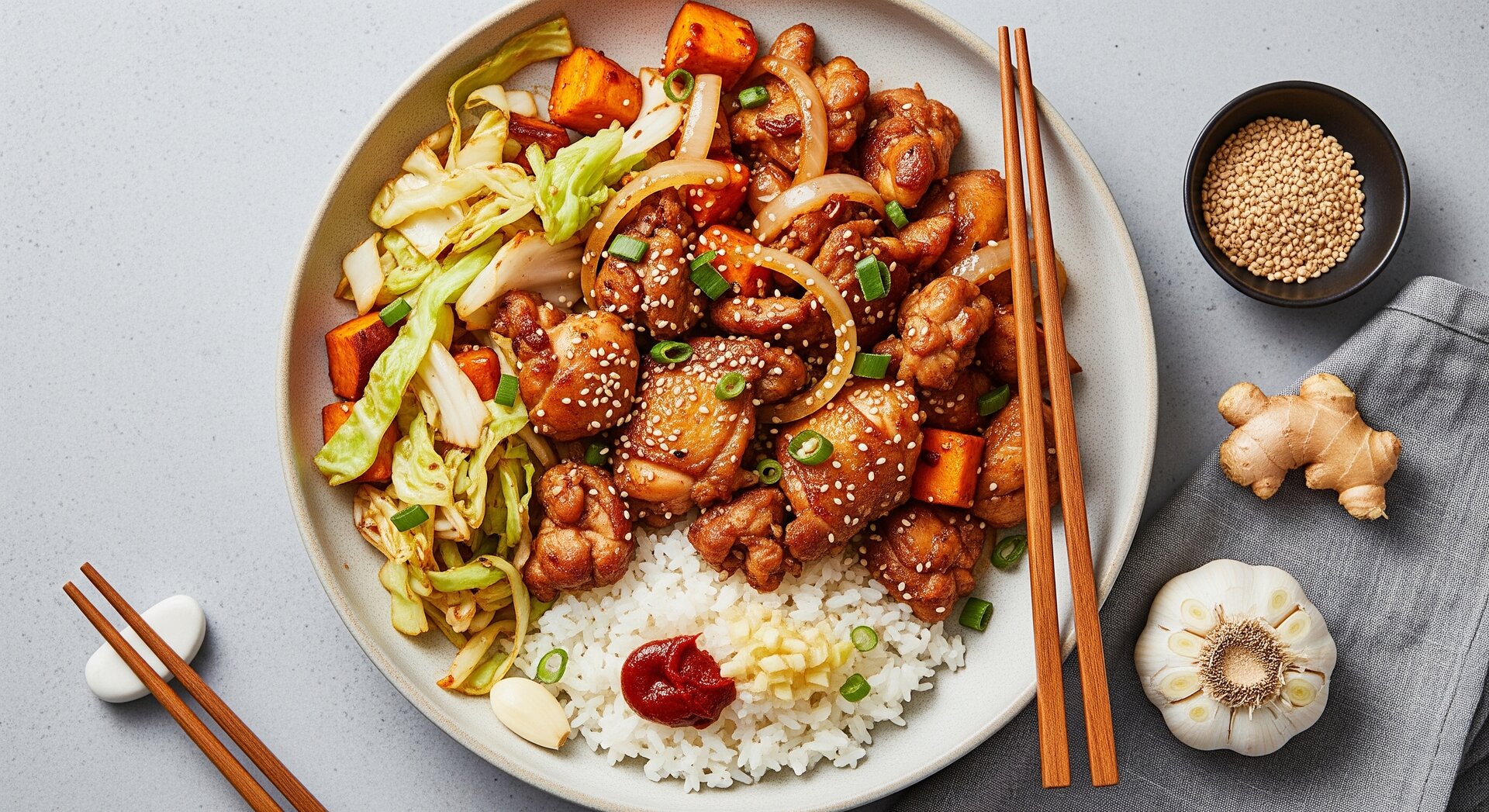 Korean Dakgalbi Bowl with Gochujang Rice 40 min Spicy chicken with sweet potato and rice 478 kcal 40g protein 1 synergies
  In the Kitchen
Storage
Location:Refrigerator
Shelf life:2-3 weken heel, 3-5 dagen gesneden
Store whole cabbage unwashed in refrigerator. Cut just before use. Store cut cabbage in airtight container. For sauerkraut: ferment 3-6 weeks at room temperature.
Preparation
Raw for coleslaw (preserves vitamin C), steam 5-8 min, quick stir-fry/wok, ferment for sauerkraut, slow-cook in stews.
Substitutes
Smart preparation
1Remove the hard core by cutting the cabbage into quarters.
2Cut cabbage as finely as possible for a more tender result in salads.
3Blanch cabbage leaves to make them pliable for stuffing.
Caution / Warnings
White Cabbage is very safe, but there are scientific considerations:
Blood Thinners (Warfarin, Acenocoumarol) Severe
Cabbage contains very high vitamin K (76mcg/100g) that interferes with vitamin K antagonist action
Advice:
Be consistent in cabbage consumption (don't suddenly eat much more/less). Inform cardiologist so INR value can be monitored and dosage adjusted. Avoid large portions raw.
Hypothyroidism Moderate
Glucosinolates in cabbage can inhibit iodine uptake and have goitrogenic effects at high consumption
Advice:
Cooking reduces goitrogenic effects by 50-90%. Ensure adequate iodine intake (150mcg/day). With hypothyroidism: moderate raw cabbage consumption to 1-2 servings/week.
IBS / FODMAP Sensitivity Mild
Cabbage contains fructans and raffinose, FODMAP carbohydrates that cause gas and cramping in sensitive individuals
Advice:
Start with small portions (50g) cooked. Fermentation (sauerkraut) breaks down FODMAPs. Add cumin or caraway seeds when cooking to improve digestibility.
Traditional use
Mediterranean
Greco-Roman traditional use
Cato the Elder praised cabbage highly, and it held a central place in Roman cooking. Greek cooks used cabbage leaves in many ways.
Summary
White cabbage is a cruciferous vegetable full of glucosinolates, sulfur-containing compounds that are being extensively studied. With 36.6mg vitamin C and 76mcg vitamin K per 100g.