Sunflower Seeds
Rich in vitamin E
What is this ingredient?
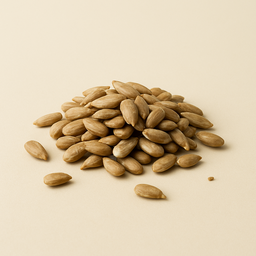
Sunflower seeds are the edible seeds of the sunflower, a plant first cultivated in North America and later spread worldwide. They stand out for their high vitamin E content: 35.17 mg per 100 g. Vitamin E contributes to the protection of cells from oxidative stress. The seeds also provide folate, magnesium, selenium, iron and zinc, plus plant-based fats that give them a full, nutty flavour. Choose unsalted seeds when possible, because roasted snack versions can contain a lot of added salt. Because of their fat content, store them cool, dark and airtight.
How does it taste?
Mildly nutty and lightly sweet, with a crunchy bite and a soft, earthy undertone.
Pairs well with:
Pairs well with saladraisinsoatmealhoneybasilyogurt and whole-grain bread.
Varieties
Shelled Sunflower Seeds
Most common form: soft, lightly nutty kernels without the hard shell.
In-Shell Sunflower Seeds
With shell as a snack; more work to eat, but longer-lasting and less easily damaged.
Did you know...?
- Sunflowers follow the sun when they are young; mature flowers usually face east.
- The sunflower is the national flower of Ukraine, a country known for large-scale sunflower cultivation.
Nutritional Value & Energy
Per 100g
Sunflower Seeds provides energy thanks to natural nutrients , buffered by fiber.
Per 100g
Minerals
Vitamins
Omega-3 fatty acids
More nutrients
B-Vitamins
Trace Minerals
What's in a serving?
1 handful
Sunflower seeds naturally contain folate (227 mcg per 100 g).
Sunflower seeds naturally contain iron (5.25 mg per 100 g).
Sunflower seeds naturally contain magnesium (325 mg per 100 g).
Sunflower seeds naturally contain potassium (645 mg per 100 g).
Sunflower seeds naturally contain selenium (53 mcg per 100 g).
Sunflower seeds naturally contain vitamin e (35.17 mg per 100 g).
Sunflower seeds naturally contain zinc (5 mg per 100 g).
% of daily reference intake (DRI)
EU-approved nutrition claims
This ingredient contains nutrients for which EFSA-authorized health claims exist, at nutrient level and not ingredient-specific.
Approved health claims (EU)
Magnesium EU 432/2012
Magnesium contributes to normal muscle function
Contains 325mg/100g (threshold: ≥56.25mg/100g)
Magnesium EU 432/2012
Magnesium contributes to the reduction of tiredness and fatigue
Contains 325mg/100g (threshold: ≥56.25mg/100g)
Magnesium EU 432/2012
Magnesium contributes to normal functioning of the nervous system
Contains 325mg/100g (threshold: ≥56.25mg/100g)
Zinc EU 432/2012
Zinc contributes to the normal function of the immune system
Contains 5mg/100g (threshold: ≥1.5mg/100g)
Zinc EU 432/2012
Zinc contributes to the maintenance of normal skin
Contains 5mg/100g (threshold: ≥1.5mg/100g)
Iron EU 432/2012
Iron contributes to normal energy-yielding metabolism
Contains 5.25mg/100g (threshold: ≥2.1mg/100g)
Iron EU 432/2012
Iron contributes to the reduction of tiredness and fatigue
Contains 5.25mg/100g (threshold: ≥2.1mg/100g)
Potassium EU 432/2012
Potassium contributes to the maintenance of normal blood pressure
Contains 645mg/100g (threshold: ≥300mg/100g)
Folate EU 432/2012
Folate contributes to normal blood formation
Contains 227mcg/100g (threshold: ≥30mcg/100g)
Folate EU 432/2012
Folate contributes to normal amino acid synthesis
Contains 227mcg/100g (threshold: ≥30mcg/100g)
Folate EU 432/2012
Folate contributes to normal homocysteine metabolism
Contains 227mcg/100g (threshold: ≥30mcg/100g)
Folate EU 432/2012
Folate contributes to normal psychological function
Contains 227mcg/100g (threshold: ≥30mcg/100g)
Folate EU 432/2012
Folate contributes to the normal function of the immune system
Contains 227mcg/100g (threshold: ≥30mcg/100g)
Folate EU 432/2012
Folate has a role in the process of cell division
Contains 227mcg/100g (threshold: ≥30mcg/100g)
Folate EU 432/2012
Folate contributes to maternal tissue growth during pregnancy
Contains 227mcg/100g (threshold: ≥30mcg/100g)
Vitamin_e EU 432/2012
Vitamin E contributes to the protection of cells from oxidative stress
Contains 35.17mg/100g (threshold: ≥1.8mg/100g)
Magnesium EU 432/2012
Magnesium contributes to normal energy-yielding metabolism
Contains 325mg/100g (threshold: ≥56.25mg/100g)
Magnesium EU 432/2012
Magnesium contributes to electrolyte balance
Contains 325mg/100g (threshold: ≥56.25mg/100g)
Magnesium EU 432/2012
Magnesium contributes to normal protein synthesis
Contains 325mg/100g (threshold: ≥56.25mg/100g)
Magnesium EU 432/2012
Magnesium contributes to normal psychological function
Contains 325mg/100g (threshold: ≥56.25mg/100g)
Magnesium EU 432/2012
Magnesium contributes to the maintenance of normal bones
Contains 325mg/100g (threshold: ≥56.25mg/100g)
Magnesium EU 432/2012
Magnesium contributes to the maintenance of normal teeth
Contains 325mg/100g (threshold: ≥56.25mg/100g)
Magnesium EU 432/2012
Magnesium has a role in the process of cell division
Contains 325mg/100g (threshold: ≥56.25mg/100g)
Iron EU 432/2012
Iron contributes to normal cognitive function
Contains 5.25mg/100g (threshold: ≥2.1mg/100g)
Iron EU 432/2012
Iron contributes to normal formation of red blood cells and haemoglobin
Contains 5.25mg/100g (threshold: ≥2.1mg/100g)
Iron EU 432/2012
Iron contributes to normal oxygen transport in the body
Contains 5.25mg/100g (threshold: ≥2.1mg/100g)
Iron EU 432/2012
Iron contributes to the normal function of the immune system
Contains 5.25mg/100g (threshold: ≥2.1mg/100g)
Iron EU 432/2012
Iron has a role in the process of cell division
Contains 5.25mg/100g (threshold: ≥2.1mg/100g)
Zinc EU 432/2012
Zinc contributes to normal acid-base metabolism
Contains 5mg/100g (threshold: ≥1.5mg/100g)
Zinc EU 432/2012
Zinc contributes to normal carbohydrate metabolism
Contains 5mg/100g (threshold: ≥1.5mg/100g)
Zinc EU 432/2012
Zinc contributes to normal cognitive function
Contains 5mg/100g (threshold: ≥1.5mg/100g)
Zinc EU 432/2012
Zinc contributes to normal DNA synthesis
Contains 5mg/100g (threshold: ≥1.5mg/100g)
Zinc EU 432/2012
Zinc contributes to normal fertility and reproduction
Contains 5mg/100g (threshold: ≥1.5mg/100g)
Zinc EU 432/2012
Zinc contributes to normal macronutrient metabolism
Contains 5mg/100g (threshold: ≥1.5mg/100g)
Zinc EU 432/2012
Zinc contributes to normal metabolism of fatty acids
Contains 5mg/100g (threshold: ≥1.5mg/100g)
Zinc EU 432/2012
Zinc contributes to normal metabolism of vitamin A
Contains 5mg/100g (threshold: ≥1.5mg/100g)
Zinc EU 432/2012
Zinc contributes to normal protein synthesis
Contains 5mg/100g (threshold: ≥1.5mg/100g)
Zinc EU 432/2012
Zinc contributes to the maintenance of normal bones
Contains 5mg/100g (threshold: ≥1.5mg/100g)
Zinc EU 432/2012
Zinc contributes to the maintenance of normal hair
Contains 5mg/100g (threshold: ≥1.5mg/100g)
Zinc EU 432/2012
Zinc contributes to the maintenance of normal nails
Contains 5mg/100g (threshold: ≥1.5mg/100g)
Zinc EU 432/2012
Zinc contributes to the maintenance of normal testosterone levels in the blood
Contains 5mg/100g (threshold: ≥1.5mg/100g)
Zinc EU 432/2012
Zinc contributes to the maintenance of normal vision
Contains 5mg/100g (threshold: ≥1.5mg/100g)
Zinc EU 432/2012
Zinc contributes to the protection of cells from oxidative stress
Contains 5mg/100g (threshold: ≥1.5mg/100g)
Zinc EU 432/2012
Zinc has a role in the process of cell division
Contains 5mg/100g (threshold: ≥1.5mg/100g)
Selenium EU 432/2012
Selenium contributes to the maintenance of normal hair
Contains 53mcg/100g (threshold: ≥8.25mcg/100g)
Selenium EU 432/2012
Selenium contributes to the maintenance of normal nails
Contains 53mcg/100g (threshold: ≥8.25mcg/100g)
Selenium EU 432/2012
Selenium contributes to the normal function of the immune system
Contains 53mcg/100g (threshold: ≥8.25mcg/100g)
Selenium EU 432/2012
Selenium contributes to normal thyroid function
Contains 53mcg/100g (threshold: ≥8.25mcg/100g)
Selenium EU 432/2012
Selenium contributes to normal spermatogenesis
Contains 53mcg/100g (threshold: ≥8.25mcg/100g)
Selenium EU 432/2012
Selenium contributes to the protection of cells from oxidative stress
Contains 53mcg/100g (threshold: ≥8.25mcg/100g)
Potassium EU 432/2012
Potassium contributes to normal functioning of the nervous system
Contains 645mg/100g (threshold: ≥300mg/100g)
Potassium EU 432/2012
Potassium contributes to normal muscle function
Contains 645mg/100g (threshold: ≥300mg/100g)
Comparison
vsspinazie
Sunflower seeds contain about 2× more iron per 100 g than spinach.
vsbanaan
Sunflower seeds contain about 2× more potassium per 100 g than banana.
What's being researched?
Sunflower seeds and vitamin E
The high vitamin E content of sunflower seeds, especially alpha-tocopherol, is studied in relation to cell membrane protection and oxidative processes. The nutritional value is especially relevant because vitamin E is a fat-soluble vitamin.
Supported by: [3] Saidi I (2014)
Sunflower seeds and phytosterols
The phytosterol content of sunflower seeds is studied in nutrition research on plant sterols and blood lipids. These compounds occur naturally in seeds, nuts and plant oils.
Supported by: [2] Ostlund (2004)
Good Combinations (Synergy)
Combine sunflower seeds smartly to enhance the effect:
Sunflower Seeds 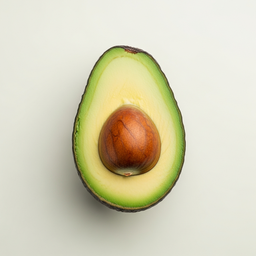 Avocado
 Selenium + healthy fats for deiodinase activation and cell repair
Technical: Sunflower seeds provide 53μg selenium per 100g (96% RDI) — essential for deiodinase enzymes (DIO1/DIO2) that convert T4 to active T3. Avocado offers 10g MUFA per 100g improving selenomethionine absorption via bile acid stimulation. Selenium is also cofactor for glutathione peroxidase (GPx) — the most important intracellular antioxidant enzyme. Avocado's glutathione (27mg/100g) strengthens this pathway.
What does this mean for you? Top avocado toast with sunflower seeds. The selenium activates deiodinase enzymes, the avocado fat ensures better absorption. A valuable combination when you feel fatigued.
Sunflower Seeds 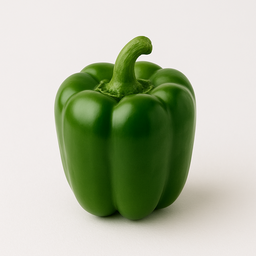 Bell Pepper
 Vitamin E enhances vitamin C recycling for longer antioxidant action
Technical: Sunflower seeds contain 35mg vitamin E per 100g (233% RDI) — the highest concentration of all seeds. Bell pepper provides 128mg vitamin C per 100g (160% RDI). Vitamin E and C work in a redox cycle: vitamin C regenerates oxidized vitamin E (tocopheryl radical → tocopherol) via ascorbate-dependent reduction. This extends antioxidant duration by 40-60%. Sunflower seeds also provide selenium (53μg/100g) activating glutathione peroxidase.
What does this mean for you? Sprinkle sunflower seeds over a bell pepper salad. Vitamin E and C recycle each other — you get longer-lasting antioxidant protection than from either alone. Perfect for skin health and immune system.
Sunflower Seeds 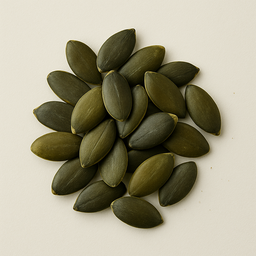 Pumpkin Seeds
 Broad mineral spectrum: zinc + magnesium + selenium
Technical: Sunflower seeds provide selenium (53μg/100g, 96% RDA) and vitamin E (35mg). Pumpkin seeds add zinc (7.6mg, 51% RDA). Sesame seeds bring calcium (975mg, 97% RDA). Together these three seed types cover a broad mineral spectrum: selenium for thyroid and immune system, zinc for cell division and hormones, calcium for bones and muscle contraction.
What does this mean for you? Make a seed mix of sunflower seeds, pumpkin seeds and sesame seeds. Sprinkle over salads, yogurt or bread. Three seeds that together fill multiple mineral gaps.
Sunflower Seeds 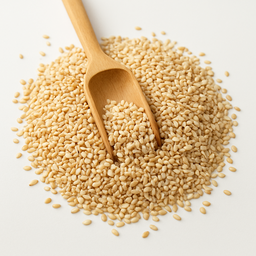 Sesame Seeds
 Broad mineral spectrum: zinc + magnesium + selenium
Technical: Sunflower seeds provide selenium (53μg/100g, 96% RDA) and vitamin E (35mg). Pumpkin seeds add zinc (7.6mg, 51% RDA). Sesame seeds bring calcium (975mg, 97% RDA). Together these three seed types cover a broad mineral spectrum: selenium for thyroid and immune system, zinc for cell division and hormones, calcium for bones and muscle contraction.
What does this mean for you? Make a seed mix of sunflower seeds, pumpkin seeds and sesame seeds. Sprinkle over salads, yogurt or bread. Three seeds that together fill multiple mineral gaps.
Recipes with Sunflower Seeds
Discover delicious recipes featuring sunflower seeds:
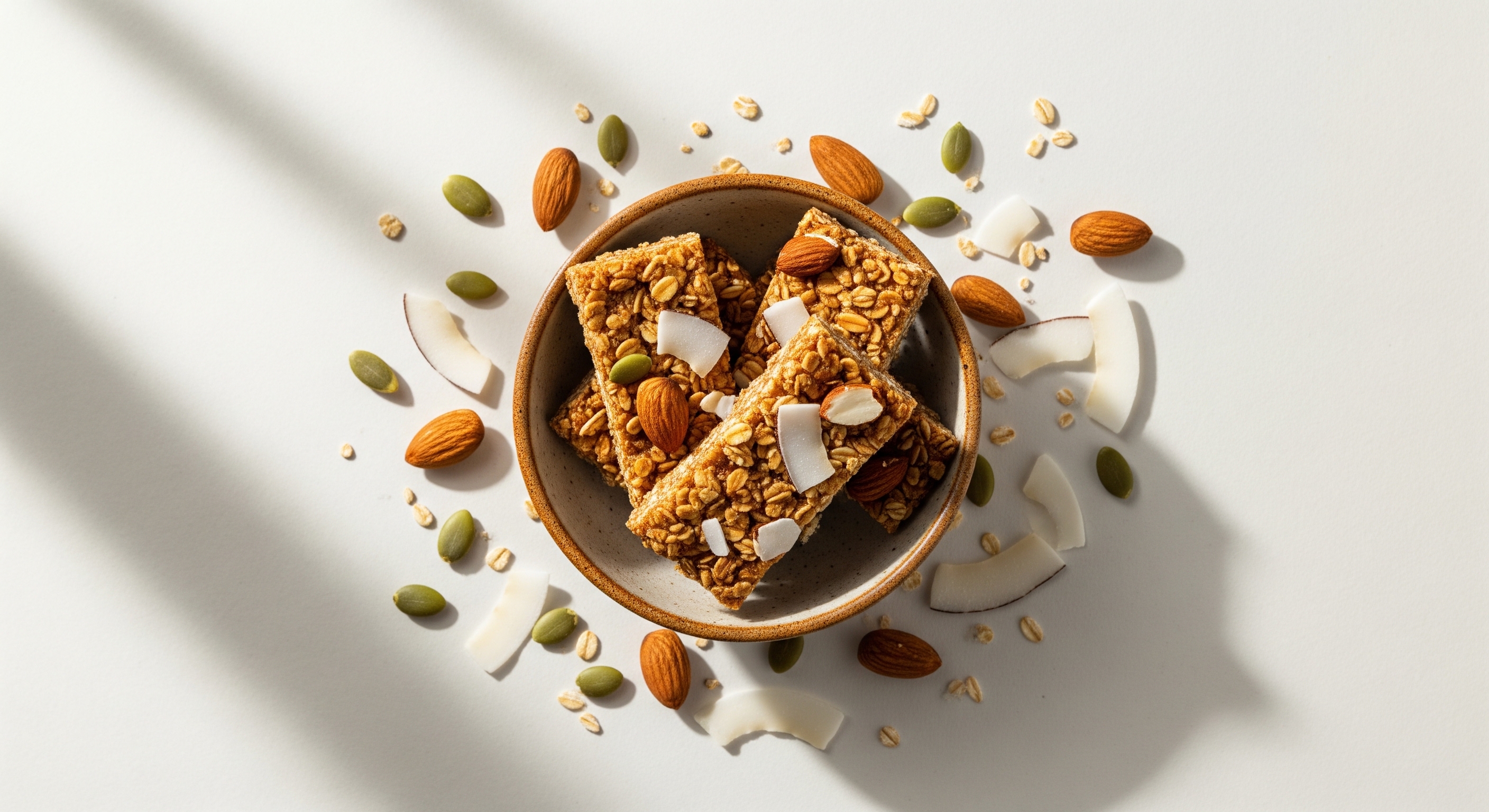 Almond-Coconut Granola Bars 40 min Crunchy, nutty and sweet from honey and apricots
  412 kcal
  10g protein 2 synergies
 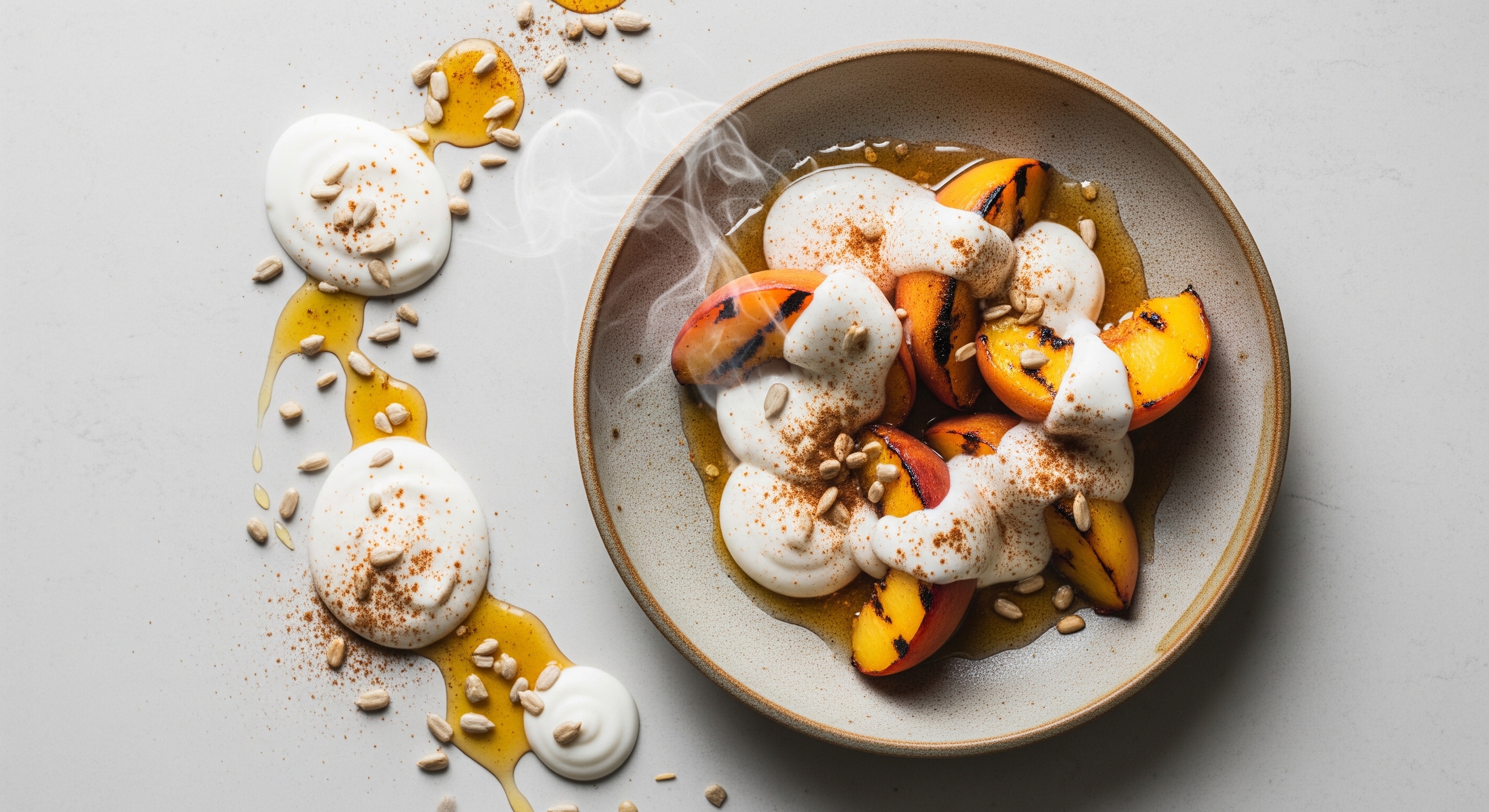 Grilled Peach with Coconut Cream & Honey 13 min Simple paleo dessert with ingredients that may contribute to digestive health and general wellness 185 kcal 3g protein 1 synergies
 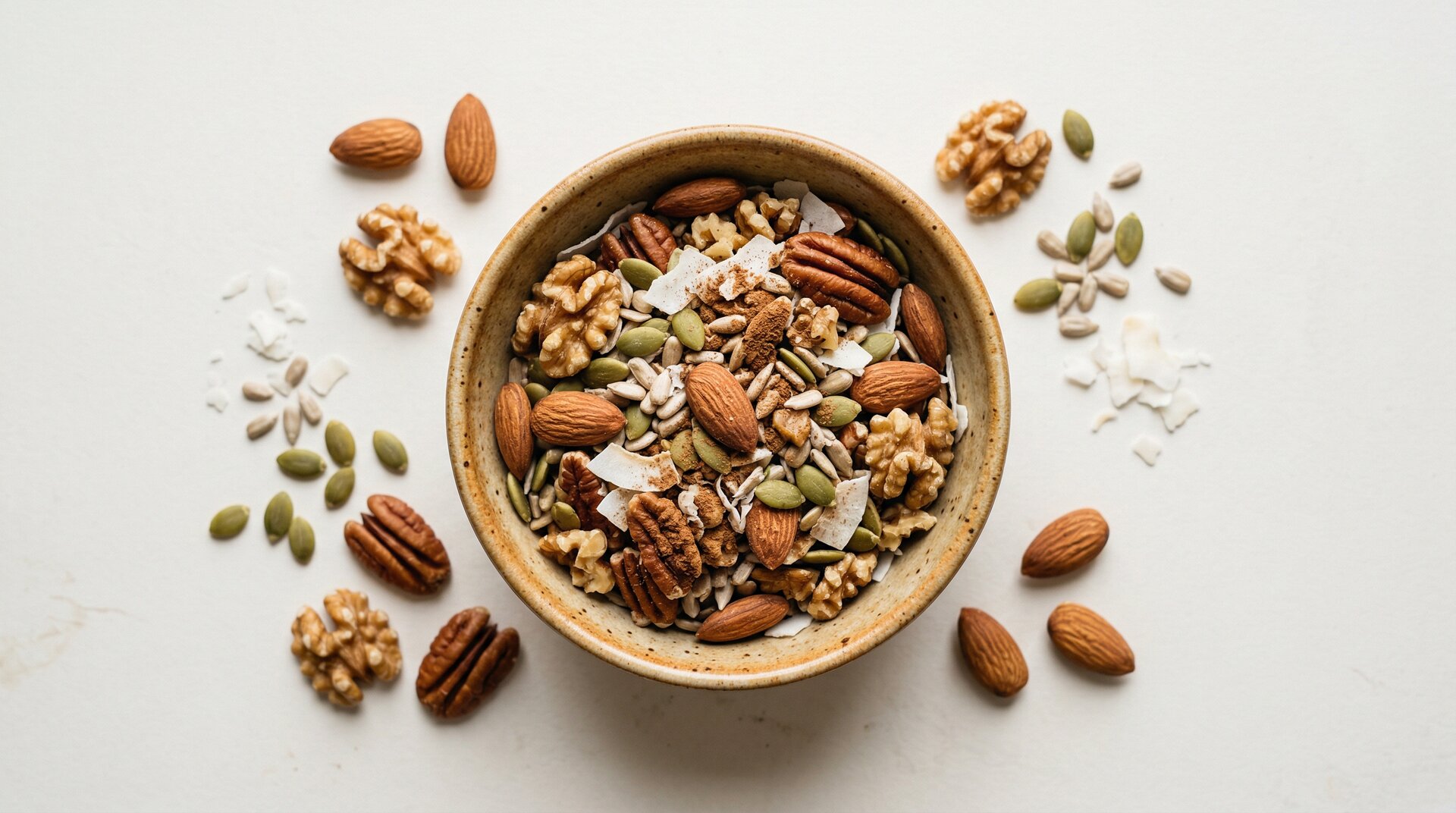 Roasted Nut and Seed Mix with Coconut and Cinnamon 15 min Crunchy, toasty and gently spiced 186 kcal 5.4g protein 3 synergies
 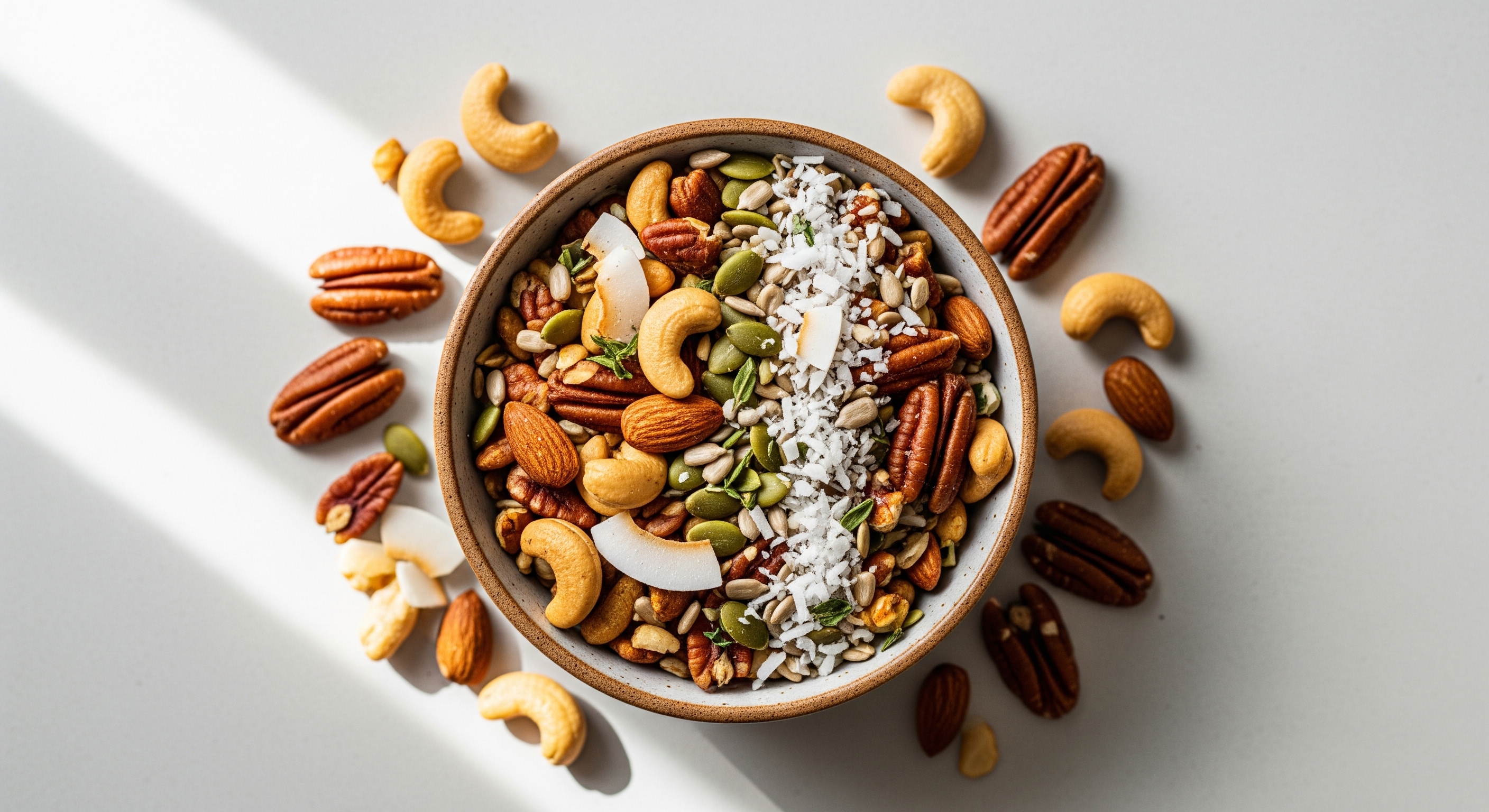 Savory Spiced Nut Mix with Herbs & Coconut 25 min Roasted nuts and seeds with spices, coconut flakes and a hint of cayenne 478 kcal 14g protein 1 synergies
 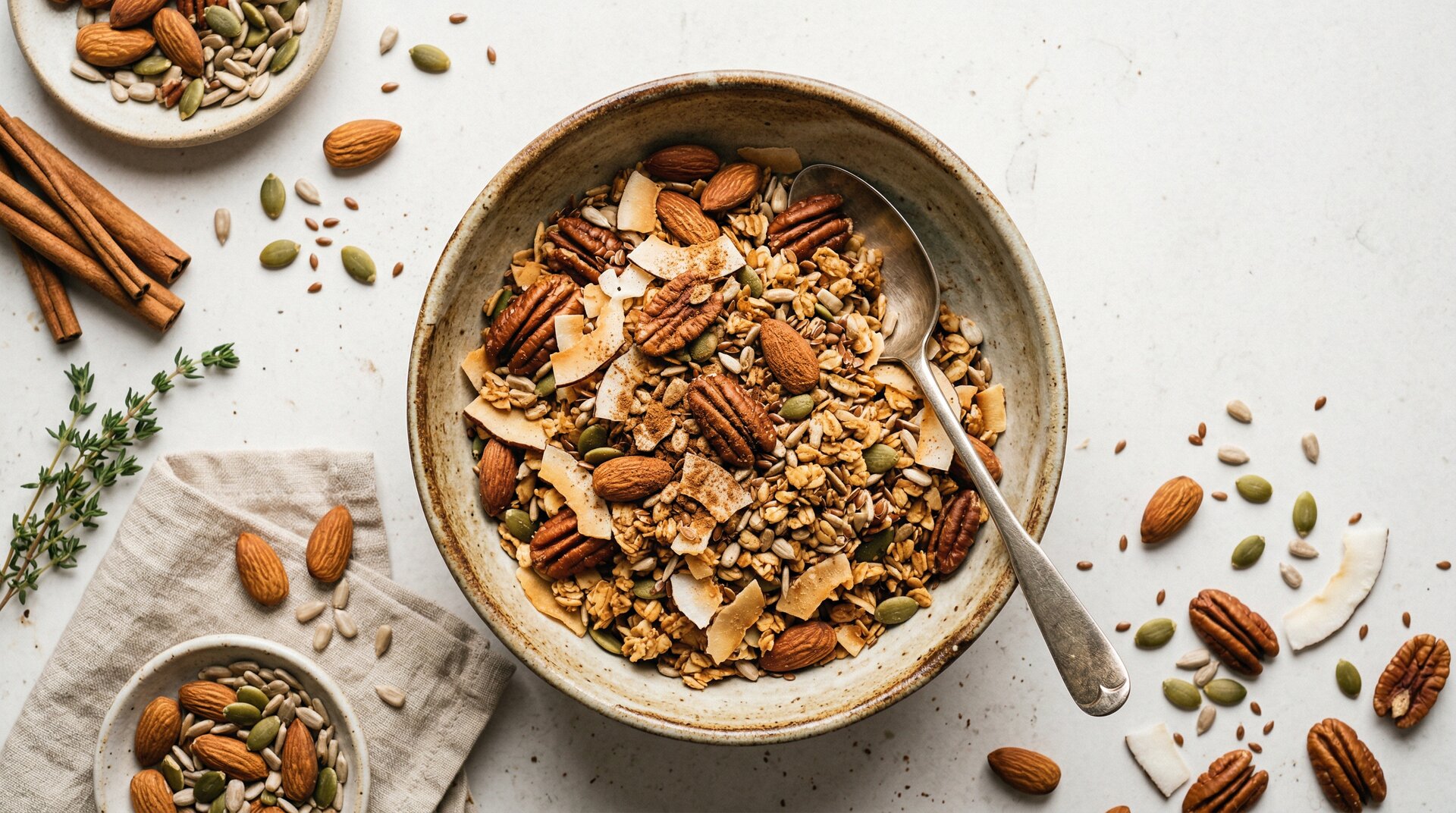 Coconut Almond Granola with Seeds 35 min Crunchy oven-baked clusters with nuts, coconut and cinnamon 340 kcal 9g protein 2 synergies
 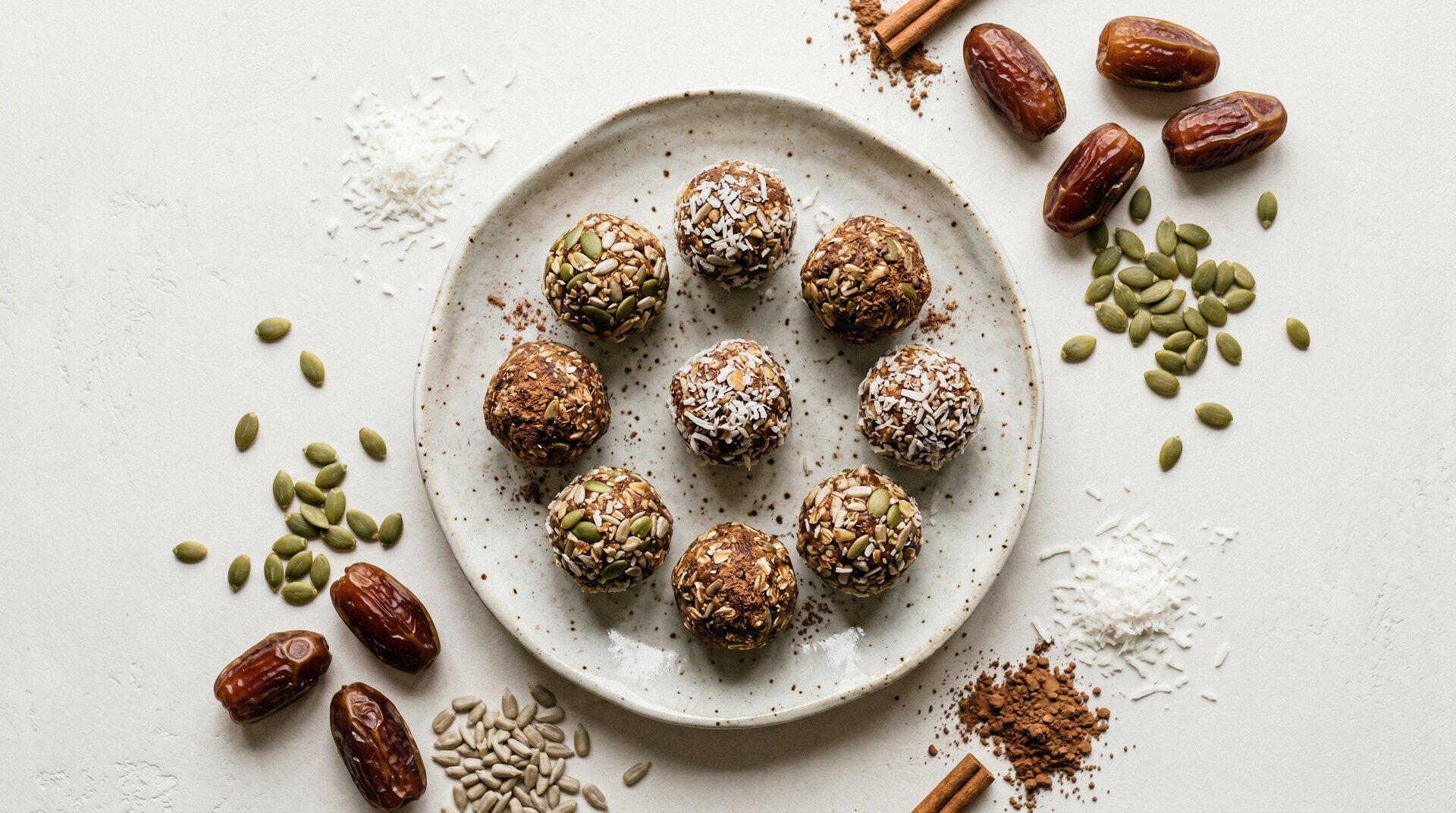 Coconut Date Bliss Balls with Seeds 15 min Nut-free paleo snack with pumpkin seeds, sunflower seeds and cacao 95 kcal 2g protein 1 synergies
  In the Kitchen
Storage
Location:Pantry
Shelf life:3-4 maanden op kamertemperatuur, 1 jaar in koelkast/vriezer
Store airtight, cool and dark. Due to their high fat content, sunflower seeds can go rancid faster when warm.
Preparation
Use raw or lightly roasted, for example 5 minutes at 150°C. Sprinkle over salads, muesli and yogurt, mix into bread dough or grind into sunflower seed butter. Pair with creamy or fatty ingredients such as avocado, yogurt or olive oil for a fuller texture and flavour.
Conversions
Substitutes
Smart preparation
1Toast sunflower seeds in a dry pan on medium-high heat.
2Stir regularly while toasting, because they colour quickly.
3Store sunflower seeds in an airtight container in a cool place.
Why?
The high linoleic acid content makes them susceptible to oxidation.
Caution / Warnings
Sunflower Seeds is very safe, but there are scientific considerations:
Sunflower seed allergy Severe
Relatively rare, but can cause severe allergic reactions.
Advice:
With known allergy to composites such as chamomile or marigold: be alert for possible cross-reaction.
Oxalate kidney stones Mild
Sunflower seeds contain oxalates, which may be relevant for people with a history of oxalate kidney stones.
Advice:
With a history of oxalate kidney stones: limit the portion and discuss regular consumption with a doctor or dietitian.
Traditional use
Indigenous
Sunflower seeds among North American peoples
Sunflowers were cultivated by Indigenous peoples in North America thousands of years ago for their seeds, oil and dyes. The plant later also became important in agriculture and cooking outside North America.
Summary
Sunflower seeds are mild, affordable seeds with 35.17 mg vitamin E per 100 g. Vitamin E contributes to the protection of cells from oxidative stress. They also provide folate, magnesium, selenium, iron and zinc. Prefer unsalted seeds and add them to salads, oatmeal, yogurt, bread dough or homemade seed butter.