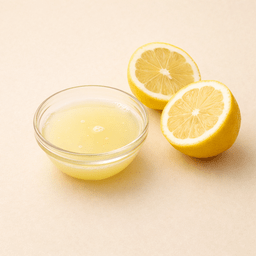
Lemon Juice
Bright citrus juice rich in vitamin C
What is this ingredient?
Lemon juice contains about 5-6% citric acid, making it one of the most acidic fruit juices. The combination of vitamin C (38.7 mg per 100 ml) and citric acid makes it especially useful alongside legumes, grains and leafy greens: vitamin C increases iron absorption from plant-based sources, particularly when the juice is used directly with the meal (Hallberg et al., 1989).
Citric acid also contributes to lemon juice’s characteristic fresh taste and is often measured in research as citrate content in citrus juices. This makes lemon juice practical not only for dressings and marinades, but also for dishes where you want acidity, aroma and nutrient value in one small addition.
Choose freshly squeezed lemon juice over bottled versions when bright flavor matters. Fresh juice has a cleaner aroma, works better as a finishing touch and contains no added preservatives.
How does it taste?
Sharply acidic and fresh with a bright citrus aroma.
Pairs well with:
Pairs well with olive oilhoneygarlicherbs and fish.
Did you know...?
- One lemon yields about 30 ml of juice on average. Roll the lemon firmly on the counter first for more juice.
- The British navy gave sailors citrus rations during long sea voyages; that is where the nickname ‘limeys’ comes from.
Nutritional Value & Energy
Per 100ml
Lemon Juice is low in calories thanks to natural nutrients .
Per 100g
Minerals
Vitamins
Omega-3 fatty acids
More nutrients
B-Vitamins
Trace Minerals
What's in a serving?
juice of 1 lemon
Lemon juice naturally contains vitamin C (38.7 mg per 100 ml).
% of daily reference intake (DRI)
EU-approved nutrition claims
This ingredient contains nutrients for which EFSA-authorized health claims exist (at nutrient level, not ingredient-specific).
Approved health claims (EU)
Vitamin_c EU 432/2012
Vitamin C contributes to the normal function of the immune system
Contains 38.7mg/100g (threshold: ≥12mg/100g)
Vitamin_c EU 432/2012
Vitamin C contributes to the reduction of tiredness and fatigue
Contains 38.7mg/100g (threshold: ≥12mg/100g)
Vitamin_c EU 432/2012
Vitamin C contributes to normal collagen formation for the normal function of skin
Contains 38.7mg/100g (threshold: ≥12mg/100g)
Vitamin_c EU 432/2012
Vitamin C contributes to normal collagen formation for the normal function of blood vessels
Contains 38.7mg/100g (threshold: ≥12mg/100g)
Vitamin_c EU 432/2012
Vitamin C contributes to normal collagen formation for the normal function of bones
Contains 38.7mg/100g (threshold: ≥12mg/100g)
Vitamin_c EU 432/2012
Vitamin C contributes to normal collagen formation for the normal function of cartilage
Contains 38.7mg/100g (threshold: ≥12mg/100g)
Vitamin_c EU 432/2012
Vitamin C contributes to normal collagen formation for the normal function of gums
Contains 38.7mg/100g (threshold: ≥12mg/100g)
Vitamin_c EU 432/2012
Vitamin C contributes to normal collagen formation for the normal function of teeth
Contains 38.7mg/100g (threshold: ≥12mg/100g)
Vitamin_c EU 432/2012
Vitamin C contributes to normal energy-yielding metabolism
Contains 38.7mg/100g (threshold: ≥12mg/100g)
Vitamin_c EU 432/2012
Vitamin C contributes to normal functioning of the nervous system
Contains 38.7mg/100g (threshold: ≥12mg/100g)
Vitamin_c EU 432/2012
Vitamin C contributes to normal psychological function
Contains 38.7mg/100g (threshold: ≥12mg/100g)
Vitamin_c EU 432/2012
Vitamin C contributes to the protection of cells from oxidative stress
Contains 38.7mg/100g (threshold: ≥12mg/100g)
Vitamin_c EU 432/2012
Vitamin C contributes to the regeneration of the reduced form of vitamin E
Contains 38.7mg/100g (threshold: ≥12mg/100g)
Vitamin_c EU 432/2012
Vitamin C increases iron absorption
Contains 38.7mg/100g (threshold: ≥12mg/100g)
Vitamin_c EU 432/2012
Vitamin C contributes to maintain the normal function of the immune system during and after intense physical exercise
Contains 38.7mg/100g (threshold: ≥12mg/100g)
Comparison
vscitroen
Lemon juice does not contain the fiber and oils from the peel of a whole lemon. The peel provides aromas such as d-limonene and hesperidin. Choose a whole lemon when you also want to use zest.
What's being researched?
Vitamin C and iron absorption
Vitamin C in lemon juice is studied in relation to non-heme iron from plant-based foods. The European nutrition claim for vitamin C states that vitamin C increases iron absorption.
Supported by: [1] Hallberg (1989) , [4] Green (2007)
Recipes with Lemon Juice
Discover delicious recipes featuring lemon juice:
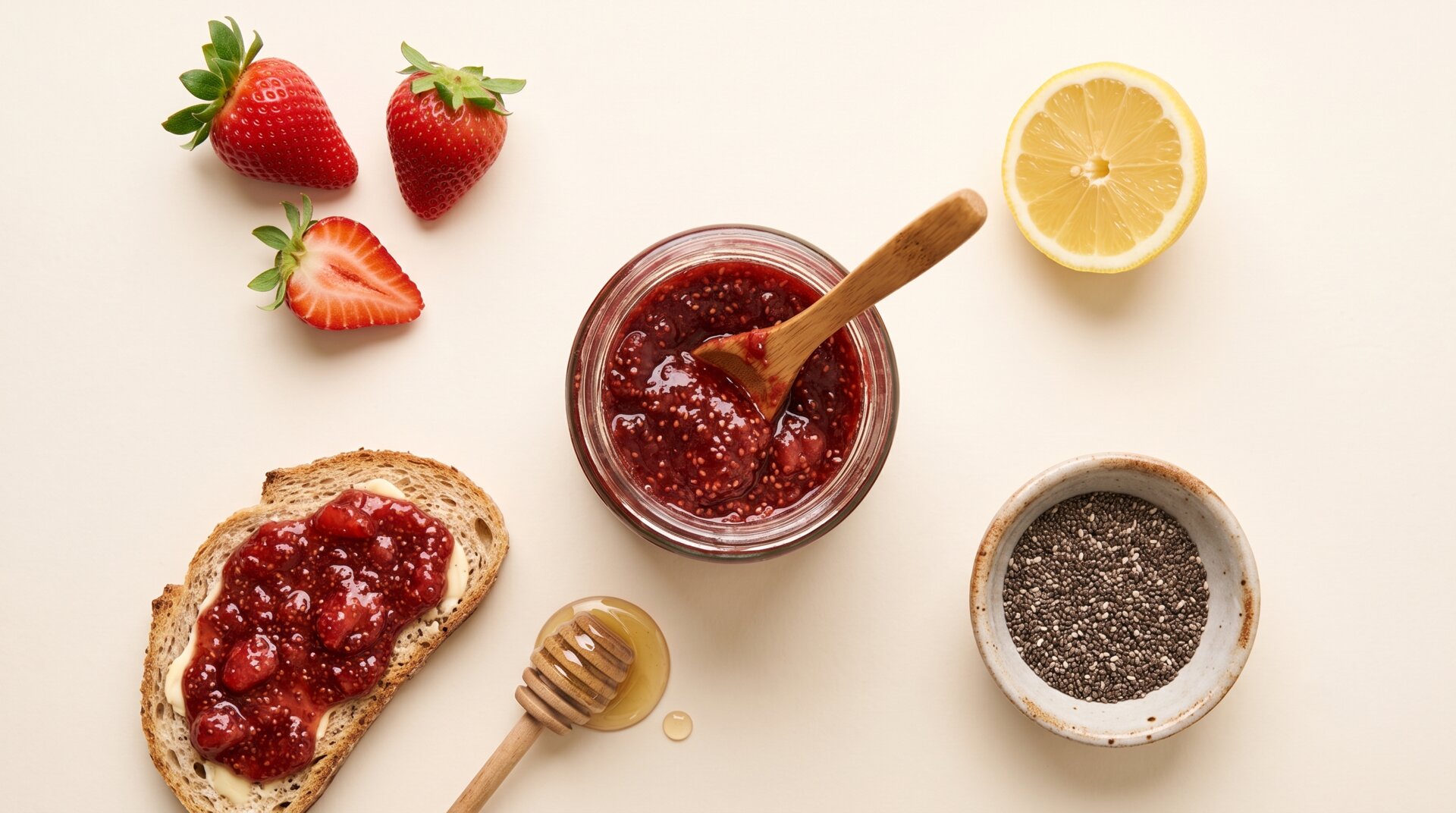 Strawberry chia jam 13 min Homemade jam from strawberries and chia seeds, sweetened only with honey
  34 kcal
  1g protein
 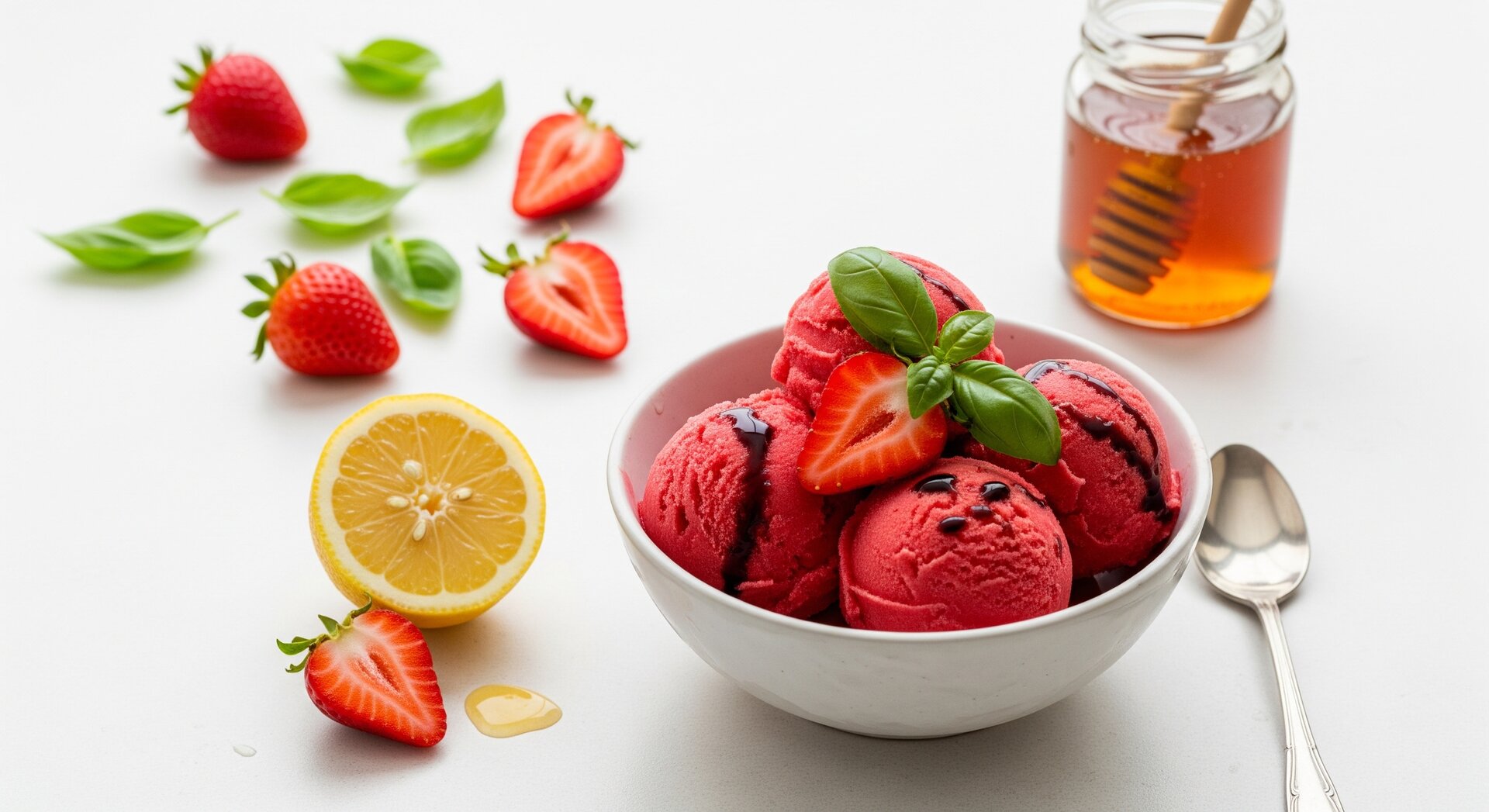 Strawberry-Basil Sorbet with Balsamic 255 min Refreshing sorbet with strawberries, basil and balsamic drizzle 76 kcal 1g protein 2 synergies
 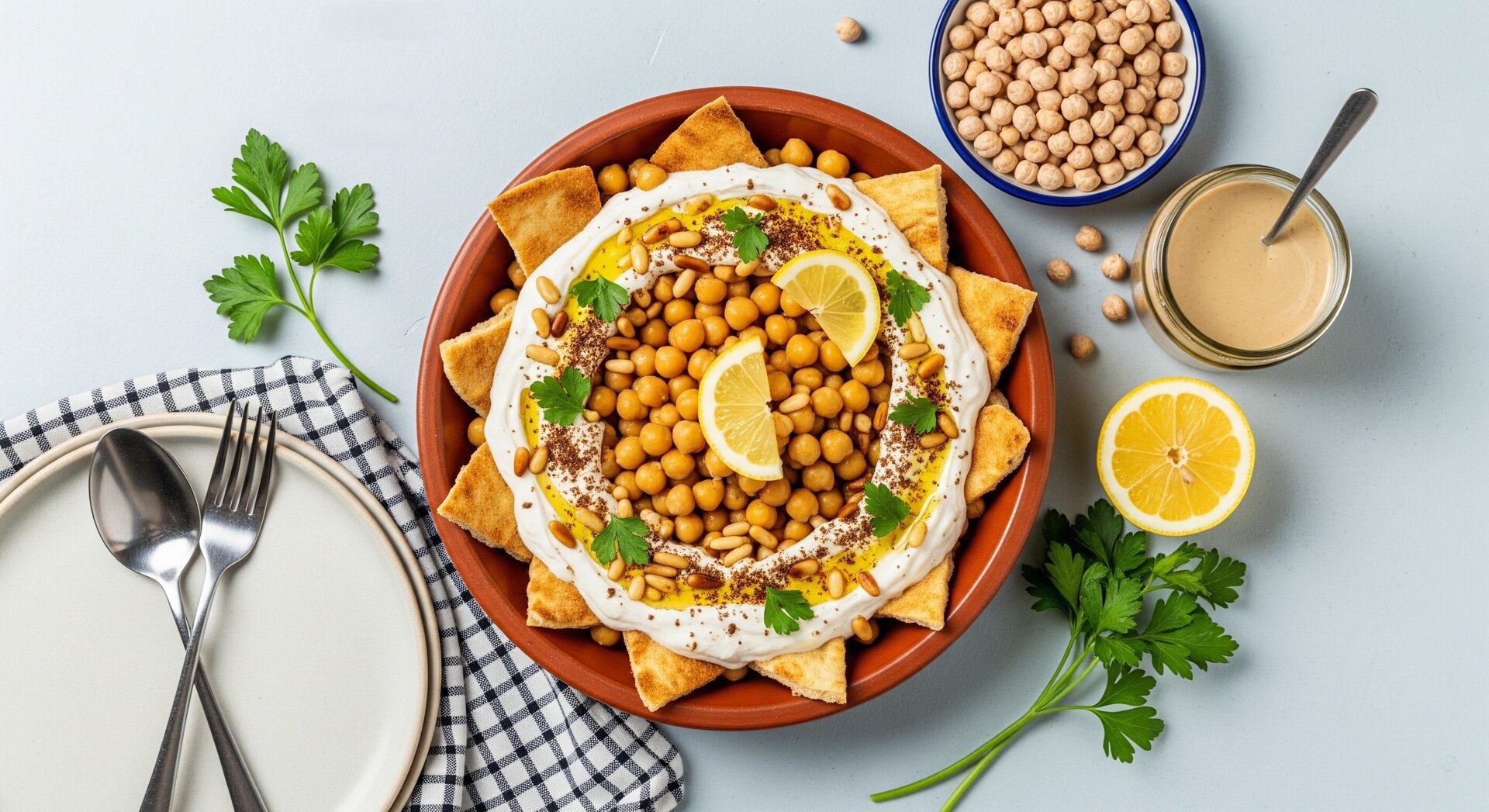 Arabic Fatteh with Chickpeas and Yogurt 25 min Layered Levantine breakfast with crispy bread and tahini 605 kcal 24g protein 2 synergies
 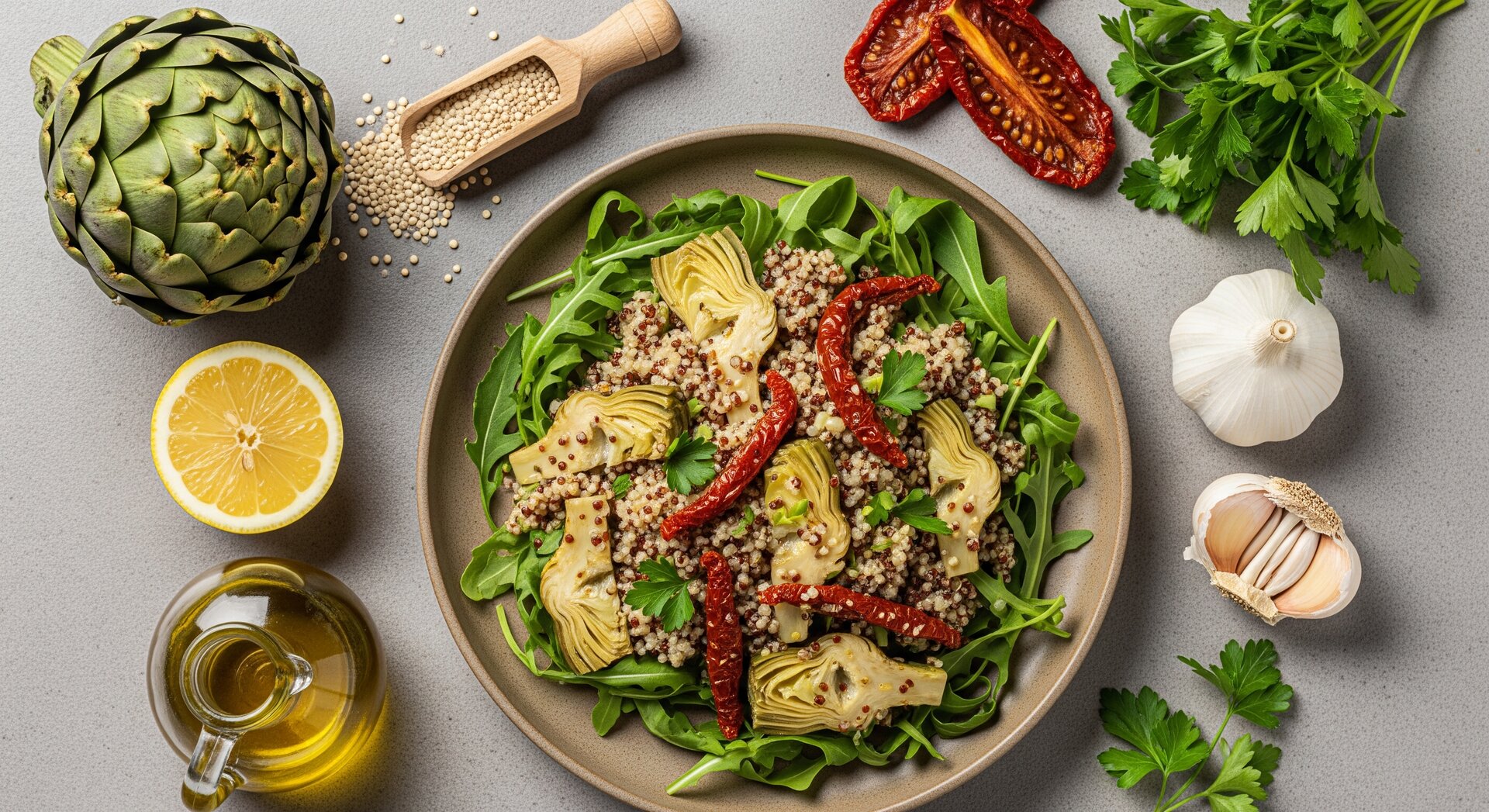 Artichoke Quinoa Lunch 25 min Mediterranean quinoa salad with artichoke 340 kcal 10g protein 2 synergies
  Artichoke Soup with Celery, Spinach and Lemon 36 min Velvety, fresh and gently spiced 121 kcal 3g protein 2 synergies
 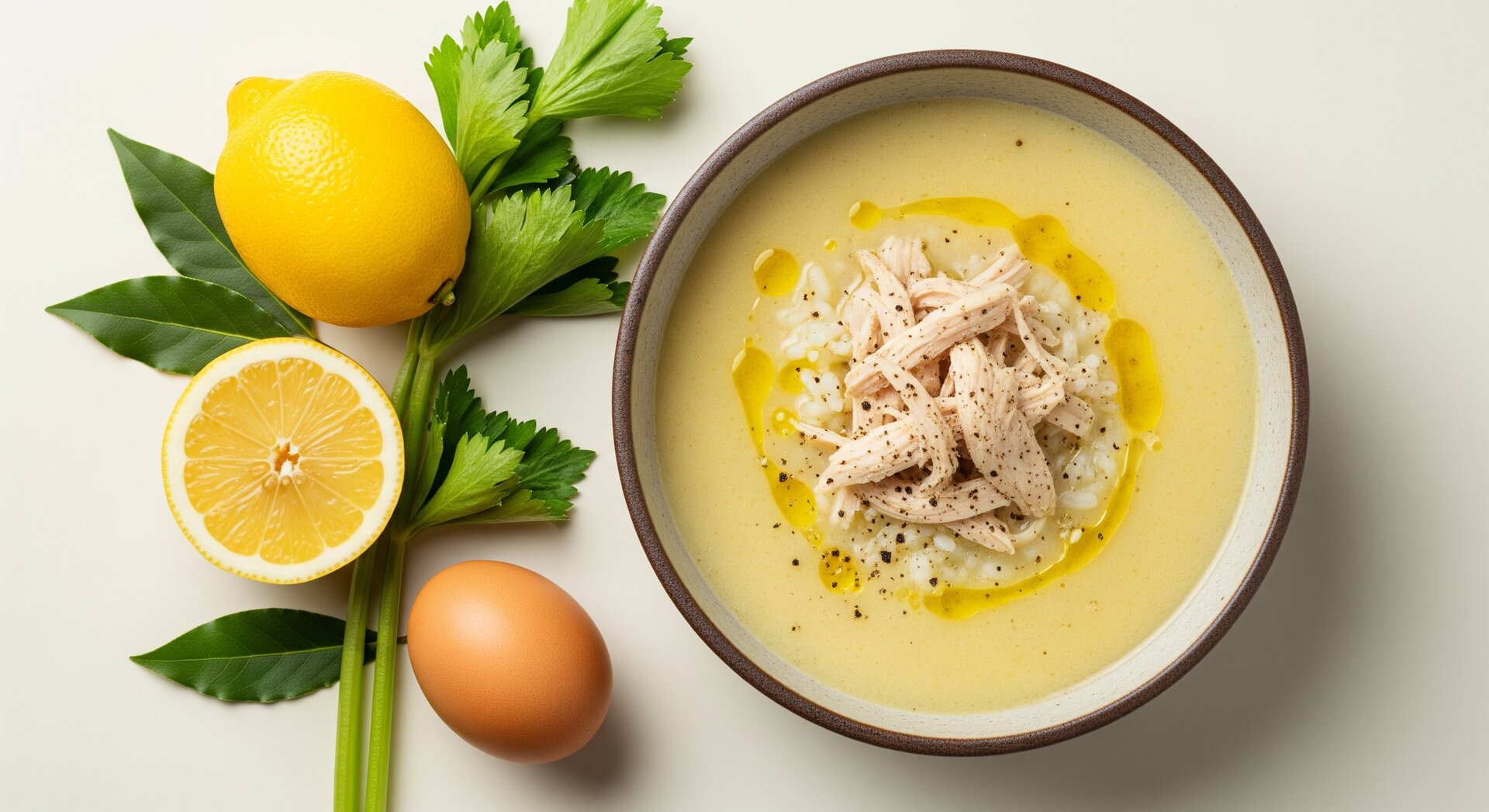 Avgolemono - Greek Lemon-Egg Soup with Chicken 40 min Velvety Greek soup with chicken, rice, lemon and egg 410 kcal 34g protein 3 synergies
  In the Kitchen
Storage
Location:Refrigerator
Shelf life:Vers: 2-3 dagen in koelkast, ingevroren in ijsblokvormen: 3 maanden
Store fresh lemon juice covered in the fridge. For longer shelf life: freeze in ice cube trays.
Preparation
Add only at the end of cooking to better preserve vitamin C. Use in dressings, marinades and as a bright finishing touch.
Conversions
Substitutes
Smart preparation
1Add lemon juice only at the end of cooking.
Why?
Vitamin C is heat-sensitive and breaks down with prolonged cooking.
2Combine lemon juice with iron-rich plant foods such as spinach, lentils and beans.
Why?
Vitamin C increases the absorption of non-heme iron from plant-based sources.
3Store excess lemon juice in ice cube trays in the freezer.
Caution / Warnings
Lemon Juice is very safe, but there are scientific considerations:
Tooth Erosion Severe
Citric acid is very acidic and can affect tooth enamel with frequent or direct contact.
Advice:
Drink lemon juice diluted with water and, if useful, with a straw. Rinse your mouth with plain water afterwards. Do not brush your teeth immediately after lemon juice.
Acid reflux / GERD Moderate
In people with reflux symptoms, the direct acidity of lemon juice may cause discomfort.
Advice:
Avoid or limit lemon juice during active reflux symptoms and choose milder acids in dishes.
Traditional use
Mediterranean
Mediterranean sailor ingredient
Mediterranean sailors carried citrus fruits and lemon juice on long voyages for their fresh taste, usefulness in preserved preparations and vitamin C content. Citrus rations later also became known in the British Navy.
Summary
Lemon juice is a versatile ingredient that does far more than add flavor. It provides vitamin C, brings bright acidity to dishes and pairs well with plant-based meals because vitamin C increases iron absorption. Choose freshly squeezed juice for the cleanest aroma.