- Easy
- 40 min
- 4 serv.
- 4 synergies
- Now at its best: Honey
Roasted sweet potato cubes with cinnamon and sea salt, drizzled with a quick tahini-honey dressing. Middle Eastern-inspired side dish.
There is something irresistible about sweet potato from the oven. The cubes go in with olive oil, cinnamon, and a generous pinch of sea salt. Half an hour later the edges are dark and crispy, the centre soft and almost caramel-sweet. That sweetness calls for something bitter, something nutty — and that's where the tahini comes in. Mix it with a spoonful of honey and a splash of water into a smooth, pourable sauce. It goes over in one sweep: the creamy, slightly bitter tahini against the warm cinnamon and sweet flesh. Middle East on a plate, on the table in half an hour.
- 10
- min prep
- 30
- min cook
- 40
- min total
Nutritional Synergies
This recipe combines ingredients that enhance each other:
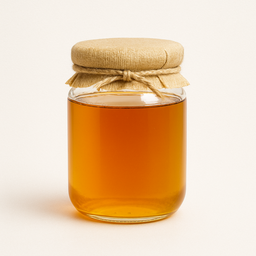 honey
honey 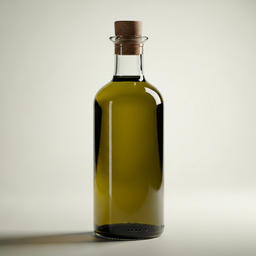 olive oil
 Dual bioactive action via chrysin + oleocanthal
Technical: Honey contains chrysin and olive oil oleocanthal — bioactive phenolic compounds studied in research in connection with NF-κB and COX signaling. Together they provide plant compounds through two independent routes.
What does this mean for you? A dressing of honey and olive oil is not just tasty — the chrysin and oleocanthal work through two different routes in your body.
Anti-inflammatoryHeartJoints
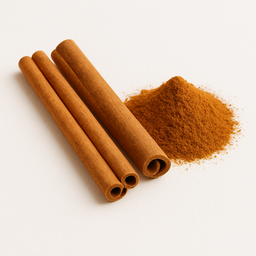 cinnamon honey
 Traditional warm combination of cinnamon and honey
Technical: Cinnamon contains cinnamaldehyde and proanthocyanidins with bioactive action via cell wall disruption. Honey's glucose oxidase produces hydrogen peroxide with bioactive action, while honey's high viscosity forms a physical barrier. Two independent bioactive mechanisms that work more broadly together.
What does this mean for you? Cinnamon + honey in warm tea — a classic combination. Both have bioactive action via different pathways — broader together than alone.
Immune System
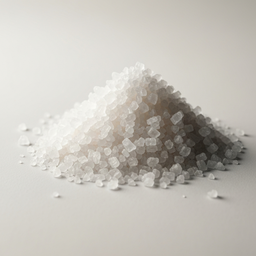 sea salt olive oil
 Minerals + polyphenols for cellular balance
Technical: Sea salt's sodium is essential for the sodium-potassium pump (Na+/K+-ATPase) that regulates every body cell. Olive oil's oleuropein and hydroxytyrosol provide antioxidant protection for cell membranes. The combination supports cell integrity: sea salt regulates ion balance, olive oil protects the membrane. In Mediterranean cuisine, coarse sea salt + olive oil is the most basic flavor profile.
What does this mean for you? Freshly ground sea salt with extra virgin olive oil is the simplest and most nutritious finishing of any dish. The combination provides the basic needs of your cells: minerals for function, polyphenols for protection.
HeartGeneral Wellness
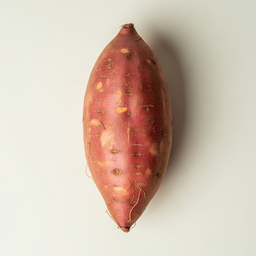 sweet potato olive oil
 Essential for beta-carotene absorption
Technical: Sweet potato is the richest beta-carotene source at 11509μg/100g. Beta-carotene is converted to retinol (vitamin A) by β-carotene-15,15'-dioxygenase, but must first be absorbed via fat micelles. Olive oil increases absorption 3-5x. Without fat, conversion efficiency is only 3:1 (μg carotene:μg retinol); with fat 12:1.
What does this mean for you? Always serve sweet potato with oil or butter. Eating it 'dry' is a missed opportunity — you lose most of the vitamin A. A little fat makes a huge difference.
FocusImmune System
Instructions
- 1 Preheat oven to 200°C. Cut sweet potato into 2 cm cubes.
Nutrition per serving
Indicative values per serving.
Timing & Suitability
Shelf life: 2 days in fridge
Tags & Diet
Allergens: Sesame