- Medium
- 160 min
- 4 serv.
- 10 synergies
- Now at its best: Bell Pepper
Slow-cooked lamb with Greek herbs, served with refreshing yogurt-mint sauce and roasted vegetables.
Two hours in the oven and the lamb falls apart at the first touch of your fork. The scent of oregano and lemon hangs in your kitchen the whole time — sharp and fresh at first, then deeper as the meat slowly cooks in the broth.
This is Greek comfort food at its finest. No complicated techniques, no exotic ingredients. Leg of lamb seasoned with nothing more than salt, pepper, and oregano, then simply letting the oven do its work. Alongside, zucchini and bell pepper roasting on a separate sheet pan until the edges start to caramelize.
You make the yogurt sauce while everything is in the oven. Cold Greek yogurt, fresh mint chopped until the board turns green, a clove of garlic, a squeeze of lemon juice. That cold, fresh sauce on the warm, tender meat — that contrast is what makes this dish.
- 20
- min prep
- 140
- min cook
- 160
- min total
Nutritional Synergies
This recipe combines ingredients that enhance each other:
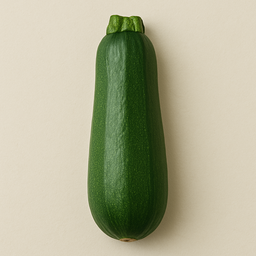 Zucchini
 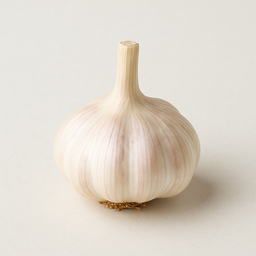 Garlic
 Potassium + allicin: complementary mineral-sulfur pathway
Technical: Zucchini contains 261mg potassium per 100g — potassium contributes to the maintenance of normal blood pressure (EFSA-approved). Garlic's allicin influences angiotensin-converting enzyme (ACE) and stimulates NO production via the nitrate-nitrite-NO pathway. Together they influence vascular physiology via two complementary mechanisms: electrolyte balance and NO signaling.
What does this mean for you? Sautéed zucchini with garlic is a simple side dish with two pathways influencing vascular physiology. Potassium from zucchini and allicin from garlic work complementarily. Add olive oil for extra polyphenols.
HeartAnti-inflammatory
Zucchini 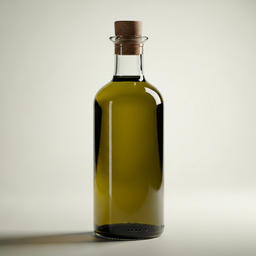 Olive oil
 Better absorption of lutein and zeaxanthin
Technical: Zucchini contains 2125μg lutein + zeaxanthin per 100g — carotenoids that accumulate in the macula lutea (the center of the retina). These are fat-soluble and absorbed up to 6x better with olive oil. Zucchini's mild flavor makes it an ideal carrier for olive oil in various dishes.
What does this mean for you? Sauté zucchini in olive oil or grill with a drizzle of oil. Without fat you barely absorb lutein — the eye pigment that concentrates in your macula. Lutein and zeaxanthin contribute to the maintenance of normal vision.
General Wellness
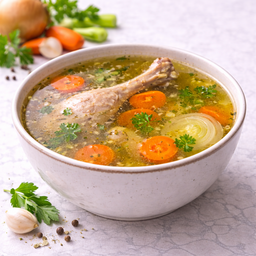 Chicken broth Garlic
 Traditional recovery soup with immune support
Technical: Chicken broth's glycine and cysteine support glutathione production (master antioxidant). Garlic's allicin has bioactive action. Together they provide amino acids and bioactive sulfur compounds.
What does this mean for you? Make chicken broth with extra garlic for a comforting, nourishing soup. Glycine + allicin provide bioactive compounds.
Immune SystemAnti-inflammatoryDigestion
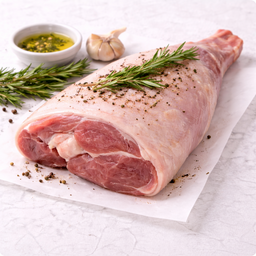 Leg of lamb Garlic
 Organosulfur compounds increase zinc and iron absorption and influence lipid metabolism
Technical: Lamb shank provides 4.5mg zinc per 100g (41% RDI) and 2.6mg iron (14% RDI). Garlic contains allicin and diallyl sulfides that form metal chelates, increasing intestinal zinc absorption by 20-25% and iron by 15%. These organosulfur compounds also interact with HMG-CoA reductase, influencing lipid metabolism. Selenium in lamb (26μg/100g) works synergistically with allicin as antioxidant.
What does this mean for you? Stud lamb shank with 4-5 garlic cloves and braise slowly. The garlic maximizes your mineral absorption and neutralizes the strong lamb odor. Eat 1-2x per week for zinc (immune function), iron (energy) and lipid metabolism support.
Immune SystemHeartEnergy
Leg of lamb Olive oil Polyphenols protect iron and proteins against oxidation during roasting
Technical: Lamb shank contains 2.6mg heme iron per 100g (14% RDI) and 25g protein that is oxidation-sensitive when heated above 180°C. Extra virgin olive oil contains hydroxytyrosol (10-50mg/100g), oleocanthal and oleuropein that inhibit Fe²⁺-mediated lipid peroxidation by 50-60%. These polyphenols chelate free iron ions and prevent Fenton reactions and AGE formation. Oleic acid (73g/100g) also increases iron bioavailability.
What does this mean for you? Roast lamb shank in olive oil at medium-high heat. The polyphenols protect the iron in lamb against oxidative damage. Add fresh rosemary in the last minutes for extra antioxidants.
HeartEnergyAnti-inflammatory
Olive oil Garlic Aglio e olio: allicin + oleocanthal via complementary biochemical pathways
Technical: Garlic contains allicin (formed when cutting/crushing) that influences HMG-CoA reductase (involved in lipid metabolism). Olive oil contains oleocanthal that modulates COX-1/2 enzymes. Together they influence lipid metabolism and prostaglandin cascade via complementary biochemical pathways. The fat also helps absorb fat-soluble garlic compounds.
What does this mean for you? Gently warm garlic in olive oil (don't burn!) as the base for many dishes. This is why 'aglio e olio' pasta is so beloved — two bioactive compounds that reinforce each other.
HeartImmune System
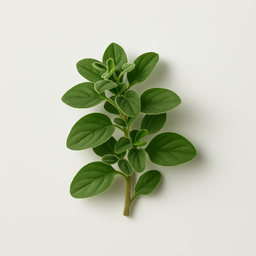 Dried oregano Olive oil
 Fat makes carvacol and thymol absorbable
Lambert JD et al. (2004) in Molecular Nutrition & Food Research showed that dietary fats enhance absorption of phenolic compounds from herbs.
Technical: Oregano contains carvacrol (60-74%) and thymol (1-5%) — potent phenolic compounds with broad bioactivity, traditionally valued in food preservation. These compounds are fat-soluble and poorly absorbed without fat. Olive oil dissolves them and significantly increases their bioavailability. This explains why oregano oil always comes in a carrier oil.
What does this mean for you? Cook oregano in olive oil or make oregano-olive oil dressing. The bioactive compounds in oregano are fat-soluble — without oil you barely absorb them.
Immune SystemDigestion
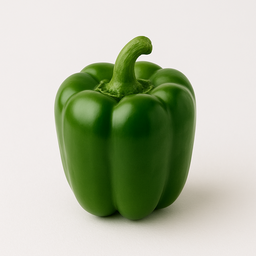 Bell pepper Olive oil
 Fat improves carotenoid absorption from bell pepper
Technical: Red bell pepper contains 3131μg beta-carotene and 51μg lutein per 100g, plus 127mg vitamin C (211% RDI). Carotenoids are fat-soluble — without fat only 3-5% is absorbed. Olive oil increases bioavailability to 15-20% through micelle formation in the small intestine.
What does this mean for you? Roast bell pepper with olive oil or make a salad with olive oil dressing. Red pepper contains 10x more carotenoids than green — choose red for maximum effect.
Immune SystemSkin & Hair
 Sea salt Olive oil
 Minerals + polyphenols for cellular balance
Technical: Sea salt's sodium is essential for the sodium-potassium pump (Na+/K+-ATPase) that regulates every body cell. Olive oil's oleuropein and hydroxytyrosol provide antioxidant protection for cell membranes. The combination supports cell integrity: sea salt regulates ion balance, olive oil protects the membrane. In Mediterranean cuisine, coarse sea salt + olive oil is the most basic flavor profile.
What does this mean for you? Freshly ground sea salt with extra virgin olive oil is the simplest and most nutritious finishing of any dish. The combination provides the basic needs of your cells: minerals for function, polyphenols for protection.
HeartGeneral Wellness
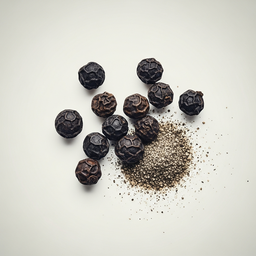 Black pepper Olive oil
 Fat increases piperine absorption and enhances polyphenols
Technical: Piperine is fat-soluble and absorbed 2-3x better with dietary fat. Olive oil's oleocanthal and piperine both modulate COX signal transduction through different mechanisms, providing additive bioactive effect.
What does this mean for you? Grind fresh pepper over salads with olive oil dressing. The combination enhances both pepper absorption and bioactive action.
Anti-inflammatoryHeartDigestion
Ingredients (12)
- Leg of lamb — 600 g boneless, cubed
-
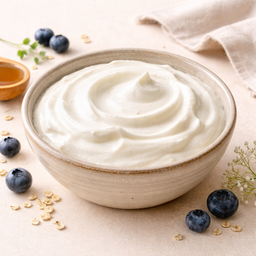 Greek yogurt — 200 g full fat
 -
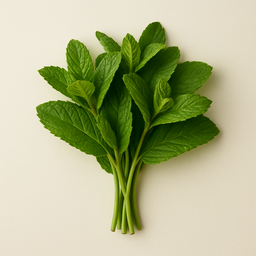 Fresh mint — 1 handful Leaves, for the sauce
Instructions
- 1 Preheat oven to 160°C. Season lamb with salt, pepper and oregano.
- 2 Heat 2 tbsp olive oil in a Dutch oven. Brown meat on all sides in batches.
Nutrition per serving
Indicative values per serving.
Timing & Suitability
Shelf life: 4 days in fridge
Tags & Diet
Allergens: Dairy