- Easy
- 20 min
- 2 serv.
- 10 synergies
- Now at its best: Spinach
A clear, savoury soup with bone broth, spinach, turmeric, ginger, garlic, black pepper and a fresh touch of lemon.
This soup asks for little effort, but gives back a lot of aroma. The garlic briefly meets warm olive oil, then ginger, turmeric, black pepper and a small trace of cinnamon join in. Within a minute the pan turns golden and the base smells spiced without becoming heavy. The bone broth makes the soup round and savoury, while the spinach is added only at the end so it wilts into the hot broth and stays bright green. A splash of lemon opens everything up: the warmth of the spices, the depth of the broth and the soft green taste of the spinach. A light bowl for when you want something simple that still feels cared for.
- 5
- min prep
- 15
- min cook
- 20
- min total
Nutritional Synergies
This recipe combines ingredients that enhance each other:
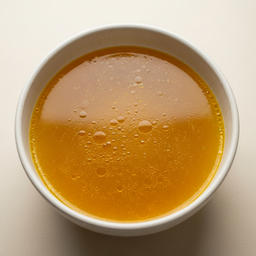 Bone broth
 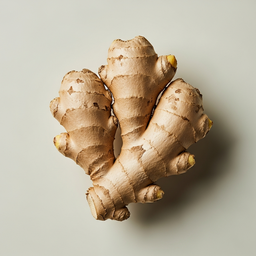 Fresh ginger
 Warming, nourishing broth
Technical: Bone broth contains gelatin, glycine and glutamine that support the gut wall. Ginger contains gingerols that modulate COX-2 and 5-LOX enzymes, plus zingibain — a proteolytic enzyme that improves protein digestion. Glycine from broth also has calming effects on the nervous system via NMDA receptors.
What does this mean for you? Cook fresh ginger slices in your bone broth — this is a beloved drink in many cultures. The combination soothes your gut, modulates the inflammatory response and supports recovery after exertion.
DigestionAnti-inflammatory
Bone broth 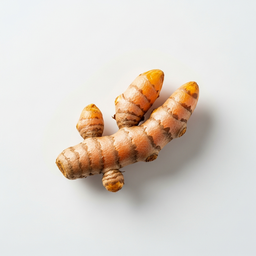 Ground turmeric
 Double joint support
Technical: Bone broth provides collagen type II peptides (glycine, proline) that support cartilage repair, plus glucosamine and chondroitin sulfate from the cooking process. Curcumin from turmeric modulates NF-κB signaling — involved in inflammatory processes that activates cartilage breakdown (via MMP enzymes). Together they offer cartilage building + protection against breakdown.
What does this mean for you? Add turmeric (with a pinch of black pepper) to your warm bone broth. The broth provides building material for your cartilage, the turmeric protects it from breakdown. Ideal for joint pain, osteoarthritis or sports injuries.
JointsAnti-inflammatory
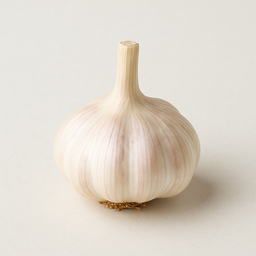 Garlic Fresh ginger
 Allicin + gingerols: complementary bioactive action
Technical: Garlic's allicin works via thiol enzyme inhibition — effective against gram-positive bacteria (Staphylococcus, Streptococcus). Ginger's gingerols and shogaols influence viral replication and stimulate interferon production. Together they cover both bacterial and viral pathways.
What does this mean for you? Garlic-ginger tea is a classic combination. Garlic works via thiol enzymes, ginger via interferon pathways. Cut both fresh for maximum active compounds — allicin only forms after 10 minutes of air exposure.
Immune System
Ground turmeric Fresh ginger Enhanced bioactive action via two pathways
Technical: Turmeric and ginger belong to the same plant family (Zingiberaceae). Curcumin (turmeric) modulates NF-kB, while gingerol (ginger) modulates COX-2 and LOX (lipoxygenase). Because they target different signaling pathways, they enhance each other's bioactive action.
What does this mean for you? Turmeric + ginger in curry, soup or tea — two related spices that work bioactively via different pathways. Broader together than alone.
Anti-inflammatoryJoints
Ground turmeric  Black pepper
 Increases curcumin absorption by 2000%
Technical: Curcumin from turmeric has bioavailability below 1% due to rapid glucuronidation in the liver. Piperine from black pepper inhibits UGT (UDP-glucuronosyltransferase) and CYP3A4, preventing curcumin breakdown. This increases bioavailability by 2000% (20x). Use ratio ¼ teaspoon pepper to 1 teaspoon turmeric.
What does this mean for you? ALWAYS add black pepper when using turmeric. Without pepper your body absorbs virtually nothing — with pepper 20x more. This is the most important food synergy there is.
Anti-inflammatoryJointsFocus
 Extra virgin olive oil Garlic
 Aglio e olio: allicin + oleocanthal via complementary biochemical pathways
Technical: Garlic contains allicin (formed when cutting/crushing) that influences HMG-CoA reductase (involved in lipid metabolism). Olive oil contains oleocanthal that modulates COX-1/2 enzymes. Together they influence lipid metabolism and prostaglandin cascade via complementary biochemical pathways. The fat also helps absorb fat-soluble garlic compounds.
What does this mean for you? Gently warm garlic in olive oil (don't burn!) as the base for many dishes. This is why 'aglio e olio' pasta is so beloved — two bioactive compounds that reinforce each other.
HeartImmune System
 Fresh spinach Extra virgin olive oil
 Makes fat-soluble vitamins and antioxidants available
Technical: Spinach contains 483μg vitamin K (403% RDI), 5626μg beta-carotene, 2mg vitamin E and 12.2mg lutein — all fat-soluble. Without fat only 5-10% is absorbed. Olive oil's monounsaturated fats (73% oleic acid) form micelles that increase absorption 2-5x.
What does this mean for you? Always eat spinach with olive oil or another fat source. Without fat you waste most of spinach's impressive vitamin profile. A drizzle of olive oil is essential for proper absorption.
Skin & HairJoints
Fresh spinach Black pepper Increases beta-carotene absorption from vegetables
Technical: Spinach contains 5626μg beta-carotene per 100g. Piperine from black pepper (5-9% by weight) inhibits glucuronidation in the gut, keeping beta-carotene in its active form longer. Piperine also increases intestinal epithelium permeability via vanilloid receptor activation.
What does this mean for you? Grind fresh black pepper over spinach. Piperine slows beta-carotene breakdown in your gut so you absorb more. Combine with olive oil for the maximum triple effect.
Immune SystemSkin & Hair
 Sea salt Extra virgin olive oil
 Minerals + polyphenols for cellular balance
Technical: Sea salt's sodium is essential for the sodium-potassium pump (Na+/K+-ATPase) that regulates every body cell. Olive oil's oleuropein and hydroxytyrosol provide antioxidant protection for cell membranes. The combination supports cell integrity: sea salt regulates ion balance, olive oil protects the membrane. In Mediterranean cuisine, coarse sea salt + olive oil is the most basic flavor profile.
What does this mean for you? Freshly ground sea salt with extra virgin olive oil is the simplest and most nutritious finishing of any dish. The combination provides the basic needs of your cells: minerals for function, polyphenols for protection.
HeartGeneral Wellness
Black pepper Extra virgin olive oil Fat increases piperine absorption and enhances polyphenols
Technical: Piperine is fat-soluble and absorbed 2-3x better with dietary fat. Olive oil's oleocanthal and piperine both modulate COX signal transduction through different mechanisms, providing additive bioactive effect.
What does this mean for you? Grind fresh pepper over salads with olive oil dressing. The combination enhances both pepper absorption and bioactive action.
Anti-inflammatoryHeartDigestion
Ingredients (10)
+8 more ingredientsInstructions
- 1 Finely chop the garlic and grate the ginger. Keep the spinach ready so it can go into the soup only at the end.
- 2 Heat the olive oil in a saucepan over medium heat. Sauté the garlic and ginger for 1 minute until fragrant but not browned.
Nutrition per serving
Indicative values per serving.
Timing & Suitability
Shelf life: 3 days in fridge