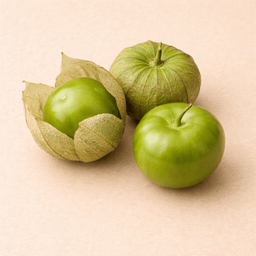
Tomatillo
Mexican green tomato
What is this ingredient?
## Botanical Characteristics and Mexican Heritage
Tomatillo (Physalis philadelphica), also known as Mexican green tomato or tomate verde, is a small fruit from the nightshade family (Solanaceae) encased in a papery husk or 'lantern'. Originally from Mexico and Central America, tomatillo has been an essential ingredient in Mexican cuisine for over 3000 years, much older than the introduction of common tomatoes. The fruits are usually green when ripe, ranging from 3-7 cm in diameter, and have a unique fresh-tart flavor that is fundamental to salsa verde, mole verde, and countless other traditional Mexican dishes.
## Withanolides: Bioactive Steroidal Lactones
What makes tomatillo scientifically particularly interesting is the presence of withanolides, a class of steroidal lactones that are being studied in laboratory research for their effects on cells (González-Cortazar et al., 2020). These bioactive compounds occur in various Physalis species. Withanolides from tomatillo are studied in relation to mutant IDH1, an enzyme involved in cell growth (Perera et al., 2021).
Ixocarpalactone A, a specific withanolide isolated from edible tomatillo, is being investigated in laboratory studies with colon cancer cells (Damu et al., 2007). The different types of withanolides in tomatillo and their synergistic effect are the subject of scientific research.
## Antioxidants and Bioactive Compounds
Tomatillo is rich in essential antioxidants. Physalis fruits contain high levels of vitamin C (47-52 mg/100 g), total polyphenols (68-83 mg gallic acid equivalents/100 g), and carotenoids (1.1-1.7 mg β-carotene/100 g) (Puente et al., 2011). These antioxidants are studied for their role in cellular processes and oxidative stress.
Additionally, the natural sticky coating on tomatillo fruits contains sucrose esters that have been shown in laboratory studies to inhibit cyclooxygenase enzymes (Huang et al., 2016).
## Culinary Traditions and Modern Applications
In Mexican cuisine, tomatillos are usually used raw or roasted. Roasting intensifies the sweet undertone and slightly reduces acidity. Salsa verde, made from roasted tomatillos with jalapeño, garlic, onion and cilantro, is one of the most iconic sauces in Mexican gastronomy. Tomatillos are also used in chilaquiles (a breakfast dish with fried tortillas), pozole verde (a traditional Mexican soup), and enchiladas verdes.
Modern chefs use tomatillos in fusion cuisines: in ceviche as an acid source, in vinaigrettes for salads, or as a base for green gazpacho. The fresh-tart flavor and unique texture make tomatillos versatile in both traditional and innovative applications.
How does it taste?
Brightly tart and mildly fruity with a citrusy freshness. Less sweet than tomato.
Pairs well with:
Pairs well with cilantrojalapeñolimeonion and avocado.
Did you know...?
- The tomatillo is not a small tomato but a separate genus, related to the cape gooseberry.
- Tomatillos are wrapped in a papery husk that splits when the fruit is ripe.
Nutritional Value & Energy
Per 100g
Tomatillo is low in calories thanks to natural nutrients .
Per 100g
Minerals
Vitamins
More nutrients
B-Vitamins
Trace Minerals
What's in a serving?
1 serving
% of daily reference intake (DRI)
EU-approved nutrition claims
There are currently no EFSA-authorized health claims specific for Tomatillo.
What's being researched?
Withanolides and cellular research
Withanolides in tomatillo are being studied in laboratory research. These steroidal lactones are being investigated for their interaction with cyclooxygenase enzymes, but clinical evidence specific to tomatillo is very limited.
Supported by: [5] Huang (2016) , [1] González-Cortazar (2020)
Phenolic acids and antioxidant activity
Phenolic acids in tomatillo are being studied for their antioxidant capacity. The unique phytochemical profile differs from regular tomatoes and is being further studied.
Supported by: [4] Obregón-La Rosa (2023) , [1] González-Cortazar (2020)
Good Combinations (Synergy)
Combine tomatillo smartly to enhance the effect:
Tomatillo 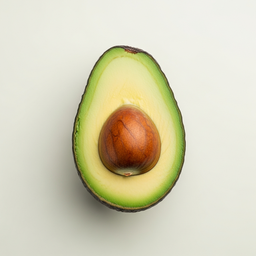 Avocado
 Monounsaturated fat increases β-carotene absorption 2-4x
Monounsaturated fat significantly increases carotenoid bioavailability
Technical: Tomatillo contains β-carotene (pro-vitamin A) which is fat-soluble. Avocado provides 15g fat per 100g, 67% being oleic acid (omega-9). This monounsaturated fat forms optimal micelles improving β-carotene absorption up to 4x compared to no fat.
What does this mean for you? Tomatillo salsa with avocado is a perfect combination. The avocado fat ensures you absorb much more β-carotene — the pro-vitamin A from tomatillo is optimally utilized.
Tomatillo 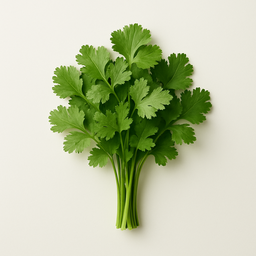 Cilantro
 Withanolides + linalool: complementary NF-κB and COX-2 modulation
Tomatillo withanolides activate Nrf2 detox pathway, cilantro linalool inhibits COX-2 (PMID: 25765539)
Technical: Tomatillo (Physalis ixocarpa) contains withanolides (4β-hydroxywithanolide E) that modulate NF-κB and activate phase-II enzymes via the Nrf2 pathway. Linalool from fresh cilantro modulates COX-2 and has anxiolytic properties via GABA modulation. Together they provide complementary bioactive pathways: tomatillo via Nrf2/NF-κB, cilantro via COX-2/GABA.
What does this mean for you? Tomatillo salsa verde with fresh cilantro is the classic Mexican combination — two bioactive plant compounds each working through their own pathway. Tomatillo's withanolides activate the Nrf2 pathway, cilantro's linalool modulates COX-2.
Tomatillo 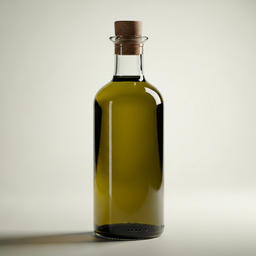 Olive Oil
 Fat-soluble withanolides and carotenoids better absorbed with fat
Withanolides are lipophilic steroidal lactones requiring dietary fat for absorption
Technical: Tomatillo contains withanolides (steroidal lactones) and β-carotene which are both fat-soluble. Olive oil contains 73% oleic acid promoting micelle formation, improving absorption of these bioactive compounds up to 3x in the gut.
What does this mean for you? Use tomatillo in dishes with olive oil (like salsa verde). The fat-soluble bioactive compounds are optimally absorbed this way.
Recipes with Tomatillo
Discover delicious recipes featuring tomatillo:
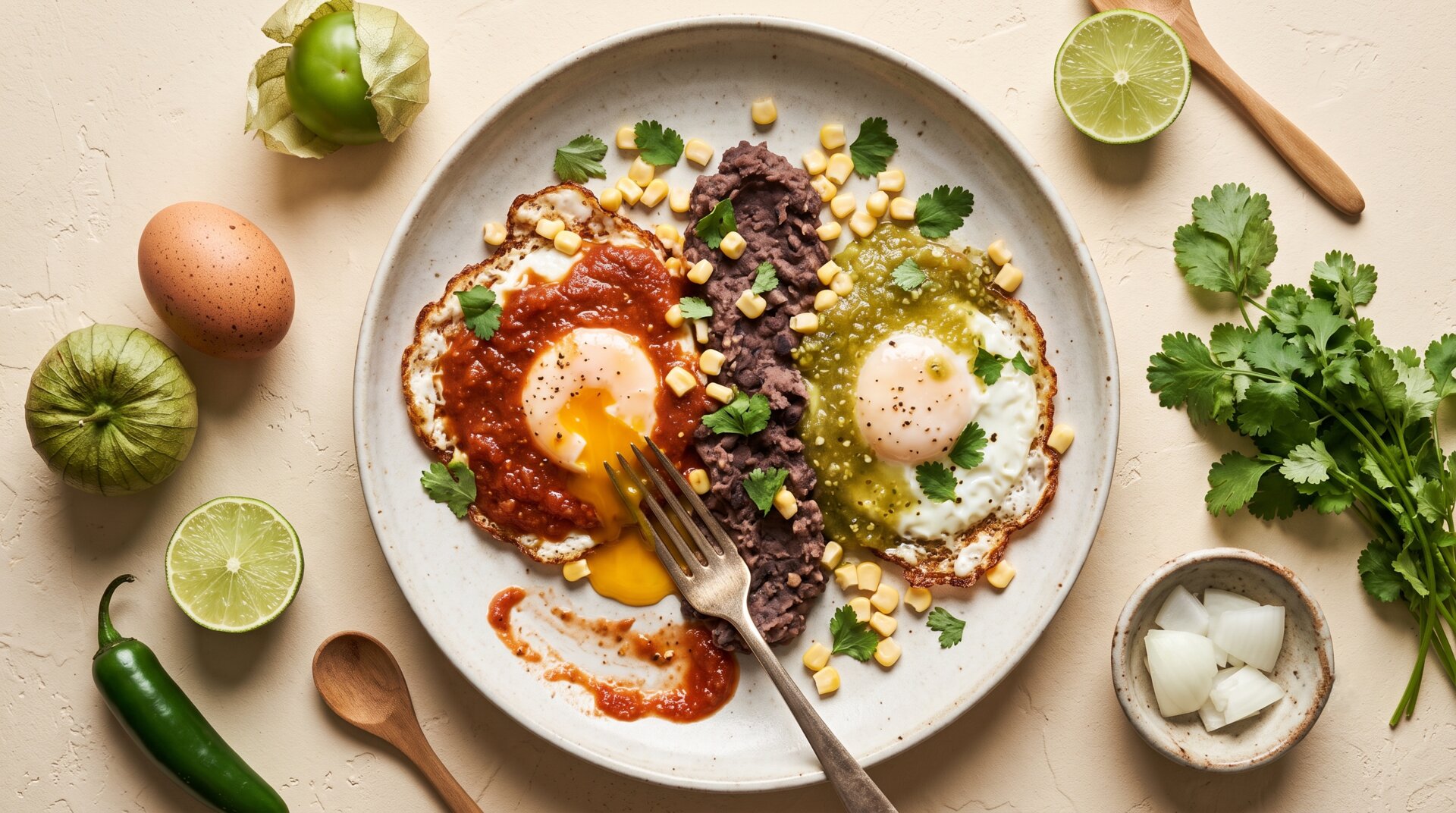 Mexican Huevos Divorciados with Beans 30 min Two eggs with red and green salsa side by side
  454 kcal
  28g protein 1 synergies
 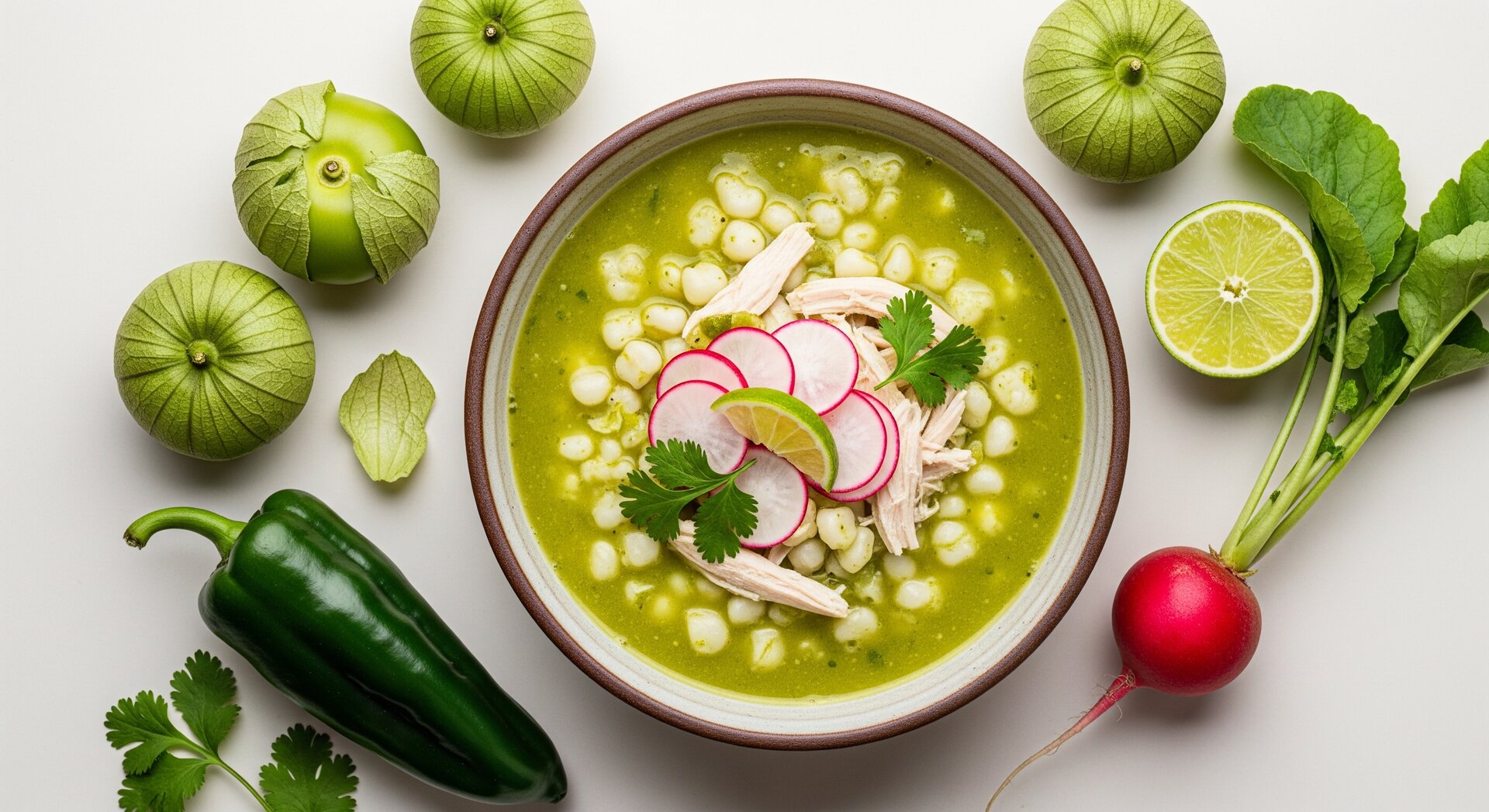 Pozole Verde with Chicken and Radish 60 min Mexican green hominy soup with chicken, tomatillo and fresh herbs 349 kcal 36g protein 2 synergies
  In the Kitchen
Storage
Location:Refrigerator
Shelf life:2-3 weken met vlies, 1 week zonder vlies
Store tomatillos with the papery husk intact in a paper bag in the vegetable drawer. Remove the husk only just before use. Ripe tomatillos are firm and fill the husk; avoid soft or discolored specimens.
Preparation
Tomatillos are usually roasted for salsa verde: remove the husk, roast at high heat until skin is charred and flesh is soft, and blend with jalapeño, garlic, onion and cilantro. Raw tomatillos can be used in ceviche or fresh salsas. Roasting intensifies the sweet undertone and reduces acidity.
Substitutes
Smart preparation
1Remove the papery husk and wash off the sticky layer underneath.
2Roast tomatillos under the broiler until charred for salsa verde.
Why?
Roasting gives a deeper, less acidic flavor than raw.
3Use tomatillos raw for a bright, fresh salsa.
Caution / Warnings
Tomatillo is very safe, but there are scientific considerations:
Nightshade family allergy Severe
People with allergy to other nightshade plants (tomatoes, peppers, potatoes) may also be allergic to tomatillo
Advice:
Avoid tomatillo with known allergy to Solanaceae plants and test a small amount first
Nightshade sensitivity with inflammatory conditions Mild
Some people with autoimmune diseases or arthritis report increased symptoms with nightshade consumption, though scientific evidence is limited
Advice:
With suspected nightshade sensitivity: try an elimination diet and monitor symptoms
Traditional use
Indigenous
Aztec origin crop
Tomatillos were cultivated by the Aztecs long before the common tomato became popular. They were an essential ingredient in pre-Columbian Mexican cuisine.
Summary
Tomatillo is a Mexican green fruit with unique withanolides (steroidal lactones) that are being studied in scientific research. Rich in vitamin C, polyphenols and carotenoids, tomatillo contains antioxidants and sucrose esters in the natural coating.