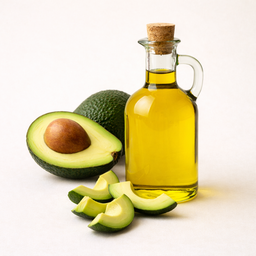
Avocado Oil
Heat-stable oil with highest smoke point
What is this ingredient?
## The Most Heat-Stable Vegetable Oil
Avocado oil distinguishes itself through a unique combination of properties rare in the oil world:
Extremely High Smoke Point:
- Refined: 271°C (520°F) — higher than all vegetable oils!
- Extra virgin: 190-210°C — still higher than most oils
- Explanation: 70% oleic acid (monounsaturated) is more stable than polyunsaturated fatty acids (soy, sunflower) under heat
Nutritional Richness (per 100g):
- Oleic acid: 70g (omega-9, heart-healthy)
- Vitamin E: 23mg (153% RDA) — has antioxidant properties
- Lutein: 271-344μg — protects eyes from damage
- β-sitosterol: 300-400mg — blocks 30-40% of cholesterol absorption
Production Process:
1. Cold-pressed Extra Virgin: First press at <50°C → dark green color, rich in polyphenols, mild nutty
2. Refined: Bleached + deodorized → clear color, neutral, higher smoke point
Scientific Evidence:
- Study (2005, Journal of Agricultural Food Chemistry): Researchers reported changes in LDL and HDL levels after 7 days of avocado oil use (vs olive oil)
- Clinical trial (2012): Improves carotenoid absorption from vegetables by 4.3-17.4x (beta-carotene, lycopene, lutein)
- Review (2019, Nutrients): β-sitosterol in avocado oil inhibits cholesterol absorption through competitive inhibition in intestine
Unique Property:
Avocado oil is one of the few oils that can be used both cold (salads, dressings) and hot (frying, sautéing, grilling) without quality loss.
How does it taste?
Mild and buttery with a slightly grassy, neutral flavor.
Pairs well with:
Pairs well with limecilantrofishsalad and grilled meat.
Varieties
Extra Virgin (Cold-Pressed)
First press at <50°C, dark green color, rich in polyphenols (150-250mg/kg), smoke point 190-210°C, mild nutty flavor
Refined
Bleached + deodorized, clear color, neutral flavor, highest smoke point (271°C!), ideal for frying/sautéing
Did you know...?
- Avocado oil is pressed from the flesh, not the seed, which is unusual for an oil.
- Avocado oil has one of the highest smoke points of all plant oils (around 270 degrees Celsius).
Nutritional Value & Energy
Per 100ml
Avocado Oil provides energy thanks to natural nutrients .
Per 100g
Minerals
Vitamins
More nutrients
Trace Minerals
What's in a serving?
1 tablespoon
Avocado Oil naturally contains vitamin e (23 mg per 100 g).
Avocado Oil naturally contains vitamin k (21 mcg per 100 g).
% of daily reference intake (DRI)
EU-approved nutrition claims
This ingredient contains nutrients for which EFSA-authorized health claims exist (at nutrient level, not ingredient-specific).
Approved health claims (EU)
Vitamin_e EU 432/2012
Vitamin E contributes to the protection of cells from oxidative stress
Contains 23mg/100g (threshold: ≥1.8mg/100g)
Vitamin_k EU 432/2012
Vitamin K contributes to normal blood clotting
Contains 21mcg/100g (threshold: ≥11.25mcg/100g)
Vitamin_k EU 432/2012
Vitamin K contributes to the maintenance of normal bones
Contains 21mcg/100g (threshold: ≥11.25mcg/100g)
What's being researched?
Avocado oil and heart
The high unsaturated fatty acid content in avocado oil is studied for cardiovascular effects. Studies show improvement of the lipid profile.
Supported by: [1] Carvajal-Zarrabal O (2014) , [3] Yang W (2024)
Good Combinations (Synergy)
Combine avocado oil smartly to enhance the effect:
Avocado Oil 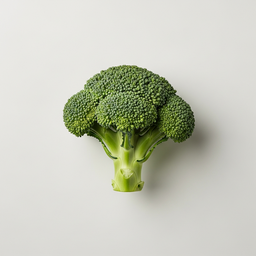 Broccoli
 Oleic acid increases sulforaphane and lutein absorption from broccoli
Technical: Avocado oil contains 70% oleic acid (omega-9) with a smoke point of 271°C — ideal for stir-frying. Broccoli contains sulforaphane precursor glucoraphanin (44-171mg/100g) activated by myrosinase at 60-70°C, plus lutein (1,403μg/100g). Oleic acid increases sulforaphane absorption via improved intestinal transport and dissolves lutein for micelle formation. Studies show 40% higher plasma sulforaphane after consumption with fat.
What does this mean for you? Stir-fry broccoli in avocado oil on high heat (briefly, 3-4 minutes). The oil is stable at high temperatures and increases your absorption of sulforaphane — a bioactive compound that is intensively studied in science. Add a pinch of mustard seed for extra myrosinase.
Avocado Oil  Eggs
Eggs High-heat cooking: increases carotenoid absorption from egg yolk
Technical: Egg yolk contains lutein and zeaxanthin (carotenoids that concentrate in the macula lutea) plus choline. Avocado oil has the highest smoke point (271°C) and contains 70% oleic acid. The extra fat increases carotenoid absorption by 3-5x without damaging the oil at high temperatures. Lutein is the primary macular pigment.
What does this mean for you? Fry eggs in avocado oil for optimal lutein absorption. The high smoke point prevents oil oxidation, while the fat makes carotenoids from egg yolk more absorbable.
Avocado Oil  Turmeric
 High smoke point + fat increases curcumin absorption 8-10x
Technical: Avocado oil has the highest smoke point of all oils (271°C) and contains 70% oleic acid (omega-9). Curcumin is fat-soluble and barely absorbed without fat (<1% bioavailability). Avocado oil increases bioavailability by 8-10x through effective micelle formation in the gut. Combination with piperine (black pepper) inhibits CYP3A4 and increases absorption by another 2000%.
What does this mean for you? Make golden milk with avocado oil, turmeric and black pepper. Or sauté turmeric in avocado oil — thanks to the high smoke point you can cook at high temperatures without damaging the oil.
Recipes with Avocado Oil
Discover delicious recipes featuring avocado oil:
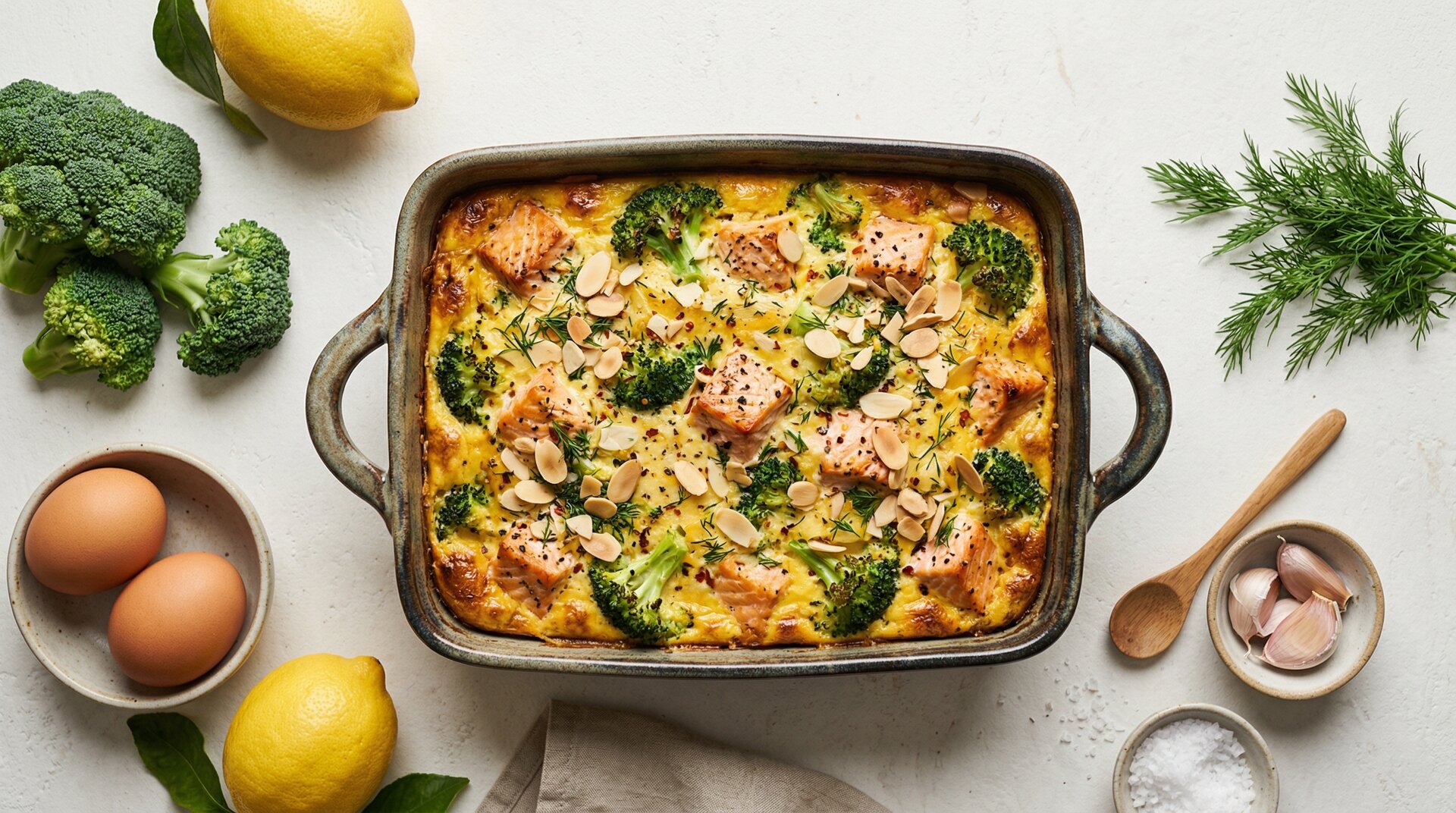 Salmon Broccoli Bake (Keto) 40 min Crispy gratinated with almond flour and fresh dill
  445 kcal
  38g protein 3 synergies
  In the Kitchen
Storage
Location:Pantry
Shelf life:Ongeopend: 12-24 maanden. Geopend: 6-8 maanden (koudgeperst), 12 maanden (geraffineerd)
Store away from light and heat. Cold-pressed avocado oil has shorter shelf life than refined. Refrigeration extends shelf life but oil may become cloudy (normal, dissolves at room temperature).
Preparation
Universal oil: Salads, dressings, frying, sautéing, deep-frying (271°C!), grilling, stir-frying. Refined variant has neutral flavor (perfect for cooking), cold-pressed variant has mild nutty flavor (delicious in dressings).
Conversions
Substitutes
Smart preparation
1Use avocado oil for high-heat cooking thanks to its high smoke point.
Why?
Avocado oil has a smoke point of about 270 degrees Celsius.
2Use cold-pressed avocado oil raw in dressings for more flavor.
3The mild flavor makes it suitable as a neutral oil in any kitchen.
Caution / Warnings
Avocado Oil is very safe, but there are scientific considerations:
Avocado allergy (latex cross-reactivity) Moderate
30-50% of people with latex allergy also have avocado allergy (cross-reactivity due to chitinase-like proteins). Although avocado OIL contains fewer proteins than the fruit itself, traces may be present in cold-pressed variants → oral allergy syndrome (itching mouth/throat), urticaria, in rare cases anaphylaxis.
Advice:
Avoid avocado oil if you have latex allergy. Test first with small amount. Choose refined avocado oil (fewer proteins) if you have mild cross-reactivity.
Blood thinners (Warfarin/Coumadin) — Vitamin K interaction Moderate
Avocado oil contains 21μg vitamin K per 100g (18% RDA). Vitamin K antagonizes warfarin by activating γ-carboxylation of clotting factors (II, VII, IX, X) → increases blood clotting. Fluctuating vitamin K intake can destabilize INR (International Normalized Ratio).
Advice:
Consistent use is OK (doctors can adjust warfarin dosage), but avoid sudden large changes in avocado oil consumption. Monitor INR more frequently when adding avocado oil to diet.
Summary
Avocado oil is the most heat-stable vegetable oil with a smoke point of 271°C (refined) — higher than all other oils! With 70% heart-healthy oleic acid, 153% RDA vitamin E, and unique lutein (10-15x more than olive oil), it protects your heart, eyes, and increases carotenoid absorption from vegetables by 4-17x. Perfect for both cold (salads) and hot (frying, sautéing) use.