- Easy
- 10 min
- 2 serv.
- 5 synergies
- Now at its best: Honey
Refreshing herbal tea with fresh mint leaves, slices of ginger and a touch of lime. A classic digestif — traditionally drunk after meals in many kitchens from Morocco to India.
You slice the ginger thinly, not too generously — you want sharpness, not a heat that overpowers. The water goes in first with the ginger, and within minutes you can smell it through the kitchen. Only then the mint, dropped in late so it doesn't steep too long; more than 3 minutes and the freshness turns dull. You strain, squeeze half a lime over the jug, stir in the honey. What remains is clear golden-yellow with a hint of green, and on the first sip you taste mint first, then ginger, then that light sour-sweetness of lime. It's the drink they bring after couscous in Morocco, pour into tulip glasses in Turkey, put on the table in copper pots in India. A point where a meal ends and an evening begins.
- 2
- min prep
- 8
- min cook
- 10
- min total
Nutritional Synergies
This recipe combines ingredients that enhance each other:
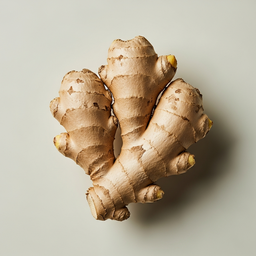 Ginger
 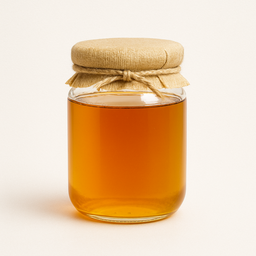 Honey
Honey Classic combination: warming herbal drink with honey
Technical: Ginger's gingerol modulates COX-2 and has antiemetic action (suppresses nausea via 5-HT3 receptor blockade). Honey's glucose oxidase produces hydrogen peroxide with bioactive action, while honey physically coats and soothes the throat. Together: bioactive modulation + throat protection.
What does this mean for you? Ginger tea with honey is a classic, warming combination. The ginger provides gingerol, the honey a smooth, sweet layer.
Immune System
Honey 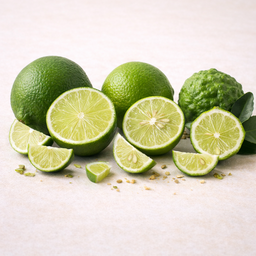 Lime
Lime Honey enzymes + vitamin C for dual immune support
Technical: Honey's glucose oxidase generates hydrogen peroxide with bioactive action. Lime's vitamin C (ascorbic acid) is a powerful antioxidant that directly supports immune cells. Together they provide both direct bioactive action and immune cell activation.
What does this mean for you? Honey-lime drink is a classic combination for good reason — it works through two different pathways for your immune support.
Immune SystemEnergyAnti-inflammatory
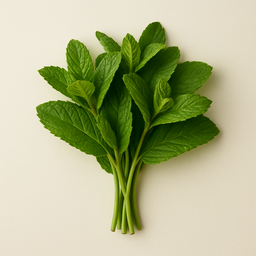 Mint Lime
 Refreshing biotransformation combination
Technical: Mint promotes bile flow and digestive enzyme activity. Lemon/lime contains citric acid supporting biotransformation and vitamin C for immune function. Together they enhance biotransformation capacity.
What does this mean for you? Mint water with lemon is a simple but delicious combination. Drink it in the morning for good hydration — the mint promotes your digestion, the lemon adds vitamin C.
AntioxidantsDigestionImmune System
 Water Ginger
 Hydration + gingerols for digestion and metabolism
Technical: Water is the medium for all biochemical reactions and nutrient transport. Ginger's gingerols (1.5-3%) are water-soluble and optimally extracted in warm water. Gingerols are studied in research in relation to thermogenesis and digestion. Warm ginger water contains dissolved gingerols.
What does this mean for you? Start your day with warm ginger water — slice fresh ginger and steep for 10 minutes. It gives a warm, spicy start to your day and hydrates at the same time.
DigestionWeight LossEnergy
Water Mint Hydration + vitamin C and citrate support
Technical: Water is the transport medium for all nutrients and essential for enzymatic reactions. Lemon adds vitamin C (antioxidant), citrate (alkalizing effect on urine) and D-limonene (supports biotransformation). Mint contains menthol that promotes gastric motility and supports digestion. Together, lemon-mint water is ideal hydration.
What does this mean for you? Lemon-mint water is the smartest way to drink more. The lemon adds flavor and vitamin C, the mint promotes digestion — and you naturally drink more.
AntioxidantsDigestion
Ingredients (5)
+3 more ingredientsInstructions
- 1 In a small saucepan, bring 500 ml of water to the boil with the ginger slices in it.
- 2 Lower the heat and simmer gently for 5 minutes — the water should turn slightly yellow and smell clearly of ginger.
Nutrition per serving
Indicative values per serving.
Timing & Suitability
Shelf life: 2 days in fridge