- Medium
- 35 min
- 2 serv.
- 7 synergies
- Now at its best: Fennel
Fresh halibut steaming together with fennel wedges, cherry tomatoes and sweet potato slices in folded parchment paper. Lemon juice and dill add freshness, olive oil provides gloss.
There is something satisfying about unfolding a parcel from the oven. The steam that escapes smells of lemon and dill, of sea and garden at once. The halibut inside is spotlessly white and falls apart at the first touch of your fork into thick, juicy flakes.
Beneath the fish: fennel wedges that have turned glassy in their own juices, cherry tomatoes that burst open and let their juice seep through everything, sweet potato slices cooked just right. Everything gleams with olive oil.
This is cooking without supervision. Parcel closed, into the oven, twenty minutes of waiting. No pan to stir, no splattering, no timing stress. When you snip open the paper at the table, you get the full aroma all at once — and that is at least half the pleasure.
- 15
- min prep
- 20
- min cook
- 35
- min total
Nutritional Synergies
This recipe combines ingredients that enhance each other:
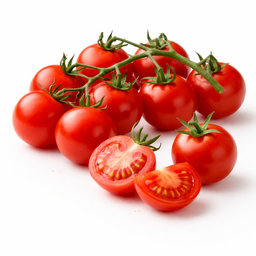 Cherry Tomatoes
 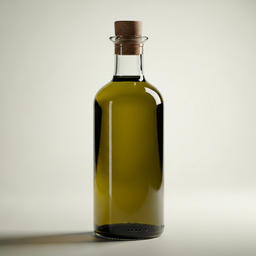 Olive Oil
 Olive oil increases lycopene absorption from cherry tomatoes 2-3x
Technical: Cherry tomatoes contain 2573μg lycopene per 100g. Lycopene is fat-soluble and only 2-3% absorbed without fat. Olive oil's oleic acid forms mixed micelles increasing lycopene absorption 2-3x. Cherry tomatoes contain relatively more skin (where lycopene concentrates) than regular tomatoes due to their small size.
What does this mean for you? Halve cherry tomatoes and roast in olive oil, or serve in salad with olive oil dressing. Their higher skin-to-flesh ratio means more concentrated lycopene.
HeartSkin & Hair
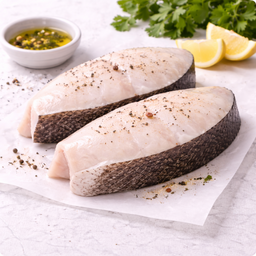 Halibut
 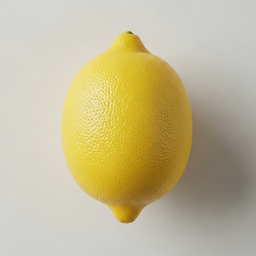 Lemon
Lemon Vitamin C protects omega-3 and improves iron absorption
Technical: Halibut is a lean fish with 23g high-quality protein per 100g and contains omega-3 fatty acids (0.7g per 100g) plus selenium (36μg). The proteins are better digested in a slightly acidic environment — citric acid lowers stomach pH and activates pepsin (protein-digesting enzyme). Vitamin C protects omega-3 from oxidation and improves non-heme iron absorption.
What does this mean for you? Sprinkle halibut with lemon before serving. The Mediterranean fish preparation method with lemon is not only tasty but helps your body better digest the proteins and keep the omega-3 intact.
HeartMuscle GainEnergy
Halibut Olive Oil Fat improves absorption of halibut's vitamin D and omega-3
Technical: Halibut contains 200 IU vitamin D per 100g and omega-3 fatty acids (EPA+DHA). Vitamin D is fat-soluble — extra olive oil increases absorption via micelle formation. Oleic acid from olive oil also activates CCK (cholecystokinin) release, improving emulsification of fish oil for better omega-3 absorption.
What does this mean for you? Pan-fry halibut in olive oil or serve with an olive oil vinaigrette. The additional fat maximizes absorption of vitamin D and omega-3 from this nutritious fish.
JointsHeart
Olive Oil Lemon Oleic acid + citric acid: complementary pathways for glycemic response
Technical: Lemon contains citric acid that slows gastric emptying, causing carbohydrates from the meal to be absorbed more slowly. Olive oil's fats reinforce this effect by further influencing glycemic response. Together they influence the postprandial glucose response via two complementary mechanisms. Olive oil's oleocanthal and lemon's vitamin C additionally provide complementary antioxidant action.
What does this mean for you? A simple dressing of olive oil and lemon juice over your salad is one of the smartest combinations you can make. The two mechanisms (delayed gastric emptying + fat slowing) work together to influence the glucose response after your meal.
EnergyDigestion
Olive Oil 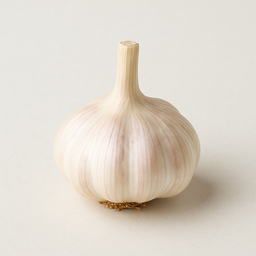 Garlic
 Aglio e olio: allicin + oleocanthal via complementary biochemical pathways
Technical: Garlic contains allicin (formed when cutting/crushing) that influences HMG-CoA reductase (involved in lipid metabolism). Olive oil contains oleocanthal that modulates COX-1/2 enzymes. Together they influence lipid metabolism and prostaglandin cascade via complementary biochemical pathways. The fat also helps absorb fat-soluble garlic compounds.
What does this mean for you? Gently warm garlic in olive oil (don't burn!) as the base for many dishes. This is why 'aglio e olio' pasta is so beloved — two bioactive compounds that reinforce each other.
HeartImmune System
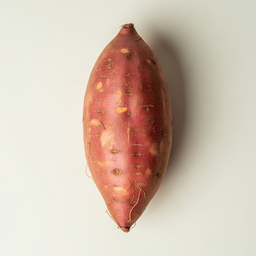 Sweet Potato Olive Oil
 Essential for beta-carotene absorption
Technical: Sweet potato is the richest beta-carotene source at 11509μg/100g. Beta-carotene is converted to retinol (vitamin A) by β-carotene-15,15'-dioxygenase, but must first be absorbed via fat micelles. Olive oil increases absorption 3-5x. Without fat, conversion efficiency is only 3:1 (μg carotene:μg retinol); with fat 12:1.
What does this mean for you? Always serve sweet potato with oil or butter. Eating it 'dry' is a missed opportunity — you lose most of the vitamin A. A little fat makes a huge difference.
FocusImmune System
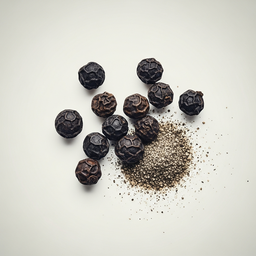 Black Pepper Olive Oil
 Fat increases piperine absorption and enhances polyphenols
Technical: Piperine is fat-soluble and absorbed 2-3x better with dietary fat. Olive oil's oleocanthal and piperine both modulate COX signal transduction through different mechanisms, providing additive bioactive effect.
What does this mean for you? Grind fresh pepper over salads with olive oil dressing. The combination enhances both pepper absorption and bioactive action.
Anti-inflammatoryHeartDigestion
Instructions
- 1 Preheat the oven to 200°C. Slice the sweet potato into thin 5 mm rounds.
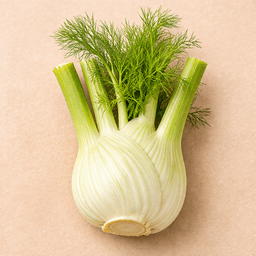
- 2 Cut the fennel into thin wedges. Halve the cherry tomatoes. Mince the garlic.
Nutrition per serving
Indicative values per serving.
Timing & Suitability
Shelf life: 3 days in fridge
Tags & Diet
Allergens: Fish