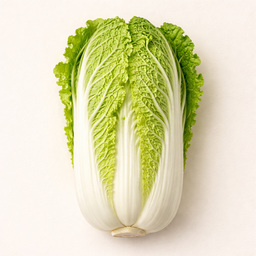
Napa Cabbage
The Gentle Giant
What is this ingredient?
Napa cabbage is botanically more closely related to turnips and bok choy than to our Western head cabbage. This explains the thinner cell walls and faster cooking time. It is the indispensable base for Kimchi. Although it consists of 95% water, the remaining 5% is a concentrated source of antioxidants and glucosinolates, bioactive substances studied in research, albeit in milder concentrations than in broccoli or kale.
How does it taste?
Mild, fresh and slightly sweet with a soft, juicy texture.
Pairs well with:
Pairs well with soy saucegingersesame oilrice vinegar and garlic.
Did you know...?
- Chinese cabbage has been used as the base for kimchi in Korea for over 2,000 years.
- Chinese cabbage is actually more closely related to turnips than to European cabbage.
Nutritional Value & Energy
Per 100g
Napa Cabbage is low in calories thanks to natural nutrients .
Per 100g
Minerals
Vitamins
Omega-3 fatty acids
More nutrients
B-Vitamins
Trace Minerals
What's in a serving?
1 serving
Napa Cabbage naturally contains vitamin c (45 mg per 100 g).
Napa Cabbage naturally contains vitamin k (46 mcg per 100 g).
Napa Cabbage naturally contains vitamin a (223 mcg per 100 g).
Napa Cabbage naturally contains folate (79 mcg per 100 g).
% of daily reference intake (DRI)
EU-approved nutrition claims
This ingredient contains nutrients for which EFSA-authorized health claims exist (at nutrient level, not ingredient-specific).
Approved health claims (EU)
Vitamin_c EU 432/2012
Vitamin C contributes to the normal function of the immune system
Contains 45mg/100g (threshold: ≥12mg/100g)
Vitamin_c EU 432/2012
Vitamin C contributes to the reduction of tiredness and fatigue
Contains 45mg/100g (threshold: ≥12mg/100g)
Vitamin_c EU 432/2012
Vitamin C contributes to normal collagen formation for the normal function of skin
Contains 45mg/100g (threshold: ≥12mg/100g)
Folate EU 432/2012
Folate contributes to normal blood formation
Contains 79mcg/100g (threshold: ≥30mcg/100g)
Vitamin_a EU 432/2012
Vitamin A contributes to the normal function of the immune system
Contains 223mcg/100g (threshold: ≥120mcg/100g)
Vitamin_a EU 432/2012
Vitamin A contributes to the maintenance of normal skin
Contains 223mcg/100g (threshold: ≥120mcg/100g)
Vitamin_a EU 432/2012
Vitamin A contributes to the maintenance of normal mucous membranes
Contains 223mcg/100g (threshold: ≥120mcg/100g)
Vitamin_a EU 432/2012
Vitamin A contributes to the maintenance of normal vision
Contains 223mcg/100g (threshold: ≥120mcg/100g)
Vitamin_a EU 432/2012
Vitamin A contributes to normal iron metabolism
Contains 223mcg/100g (threshold: ≥120mcg/100g)
Vitamin_a EU 432/2012
Vitamin A has a role in the process of cell specialisation
Contains 223mcg/100g (threshold: ≥120mcg/100g)
Folate EU 432/2012
Folate contributes to normal amino acid synthesis
Contains 79mcg/100g (threshold: ≥30mcg/100g)
Folate EU 432/2012
Folate contributes to normal homocysteine metabolism
Contains 79mcg/100g (threshold: ≥30mcg/100g)
Folate EU 432/2012
Folate contributes to normal psychological function
Contains 79mcg/100g (threshold: ≥30mcg/100g)
Folate EU 432/2012
Folate contributes to the normal function of the immune system
Contains 79mcg/100g (threshold: ≥30mcg/100g)
Folate EU 432/2012
Folate has a role in the process of cell division
Contains 79mcg/100g (threshold: ≥30mcg/100g)
Folate EU 432/2012
Folate contributes to maternal tissue growth during pregnancy
Contains 79mcg/100g (threshold: ≥30mcg/100g)
Vitamin_c EU 432/2012
Vitamin C contributes to normal collagen formation for the normal function of blood vessels
Contains 45mg/100g (threshold: ≥12mg/100g)
Vitamin_c EU 432/2012
Vitamin C contributes to normal collagen formation for the normal function of bones
Contains 45mg/100g (threshold: ≥12mg/100g)
Vitamin_c EU 432/2012
Vitamin C contributes to normal collagen formation for the normal function of cartilage
Contains 45mg/100g (threshold: ≥12mg/100g)
Vitamin_c EU 432/2012
Vitamin C contributes to normal collagen formation for the normal function of gums
Contains 45mg/100g (threshold: ≥12mg/100g)
Vitamin_c EU 432/2012
Vitamin C contributes to normal collagen formation for the normal function of teeth
Contains 45mg/100g (threshold: ≥12mg/100g)
Vitamin_c EU 432/2012
Vitamin C contributes to normal energy-yielding metabolism
Contains 45mg/100g (threshold: ≥12mg/100g)
Vitamin_c EU 432/2012
Vitamin C contributes to normal functioning of the nervous system
Contains 45mg/100g (threshold: ≥12mg/100g)
Vitamin_c EU 432/2012
Vitamin C contributes to normal psychological function
Contains 45mg/100g (threshold: ≥12mg/100g)
Vitamin_c EU 432/2012
Vitamin C contributes to the protection of cells from oxidative stress
Contains 45mg/100g (threshold: ≥12mg/100g)
Vitamin_c EU 432/2012
Vitamin C contributes to the regeneration of the reduced form of vitamin E
Contains 45mg/100g (threshold: ≥12mg/100g)
Vitamin_c EU 432/2012
Vitamin C increases iron absorption
Contains 45mg/100g (threshold: ≥12mg/100g)
Vitamin_c EU 432/2012
Vitamin C contributes to maintain the normal function of the immune system during and after intense physical exercise
Contains 45mg/100g (threshold: ≥12mg/100g)
Vitamin_k EU 432/2012
Vitamin K contributes to normal blood clotting
Contains 46mcg/100g (threshold: ≥11.25mcg/100g)
Vitamin_k EU 432/2012
Vitamin K contributes to the maintenance of normal bones
Contains 46mcg/100g (threshold: ≥11.25mcg/100g)
What's being researched?
Glucosinolates and inflammatory processes
Glucosinolates in Chinese cabbage are being studied in preclinical research for their potential interaction with inflammatory processes. Evidence from laboratory studies is available, but human interventions are limited.
Supported by: [2] Verkerk (2009) , [1] Favela-González KM (2020)
Fermented Chinese cabbage and gut flora
The fermented form of Chinese cabbage is being studied for probiotic effects on gut flora. Promising results have been found for diverse bacterial strains.
Supported by: [1] Favela-González KM (2020) , [2] Verkerk (2009)
Good Combinations (Synergy)
Combine napa cabbage smartly to enhance the effect:
Napa Cabbage 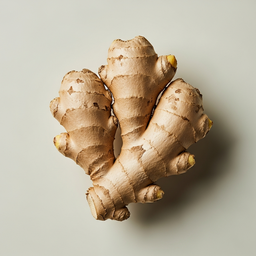 Ginger
 Glucosinolates + gingerols: complementary digestive support
Technical: Chinese cabbage contains glucosinolates (sulfur compounds) and 105mg vitamin C per 100g. Ginger's gingerols accelerate gastric emptying by 25% and act as 5-HT3 receptor antagonists. The combination provides both enzymatic support (glucosinolates) and motility promotion (gingerols).
What does this mean for you? Chinese cabbage with ginger (classic in kimchi and Asian soups) is a centuries-old digestive combination. Ginger promotes gastric motility, while Chinese cabbage provides vitamin C.
Napa Cabbage 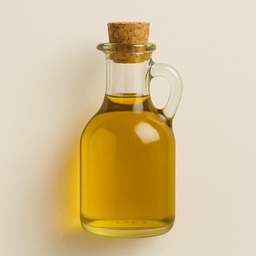 Sesame Oil
 Better absorption of fat-soluble vitamins
Technical: Chinese cabbage contains 46μg vitamin K per 100g (38% RDI) and beta-carotene (provitamin A). Sesame oil contains 40% linoleic acid and 42% oleic acid — fats that stimulate micelle formation for fat-soluble vitamin absorption. Sesamin (lignan) in sesame oil also has its own antioxidant action.
What does this mean for you? Stir-fry Chinese cabbage with sesame oil — an Asian tradition backed by science. The oil makes fat-soluble vitamins absorbable. Without oil you miss most of them.
Napa Cabbage 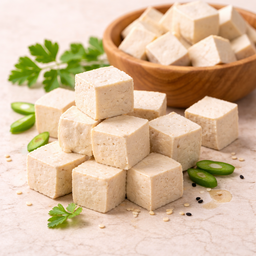 Tofu
Tofu Calcium from both sources + plant protein
Technical: Chinese cabbage contains 105mg calcium per 100g with very low oxalate (high bioavailability of 54%). Tofu (calcium sulfate set) provides 350mg calcium per 100g plus 8g protein. The combination delivers up to 455mg calcium per serving — 45% of RDI. Chinese cabbage's vitamin K (46μg) contributes to the maintenance of normal bones (EFSA-approved).
What does this mean for you? Chinese cabbage with tofu is a vegan calcium source par excellence. Unlike spinach, Chinese cabbage has little oxalic acid, so you actually absorb the calcium. Classic in Korean and Japanese soups.
Recipes with Napa Cabbage
Discover delicious recipes featuring napa cabbage:
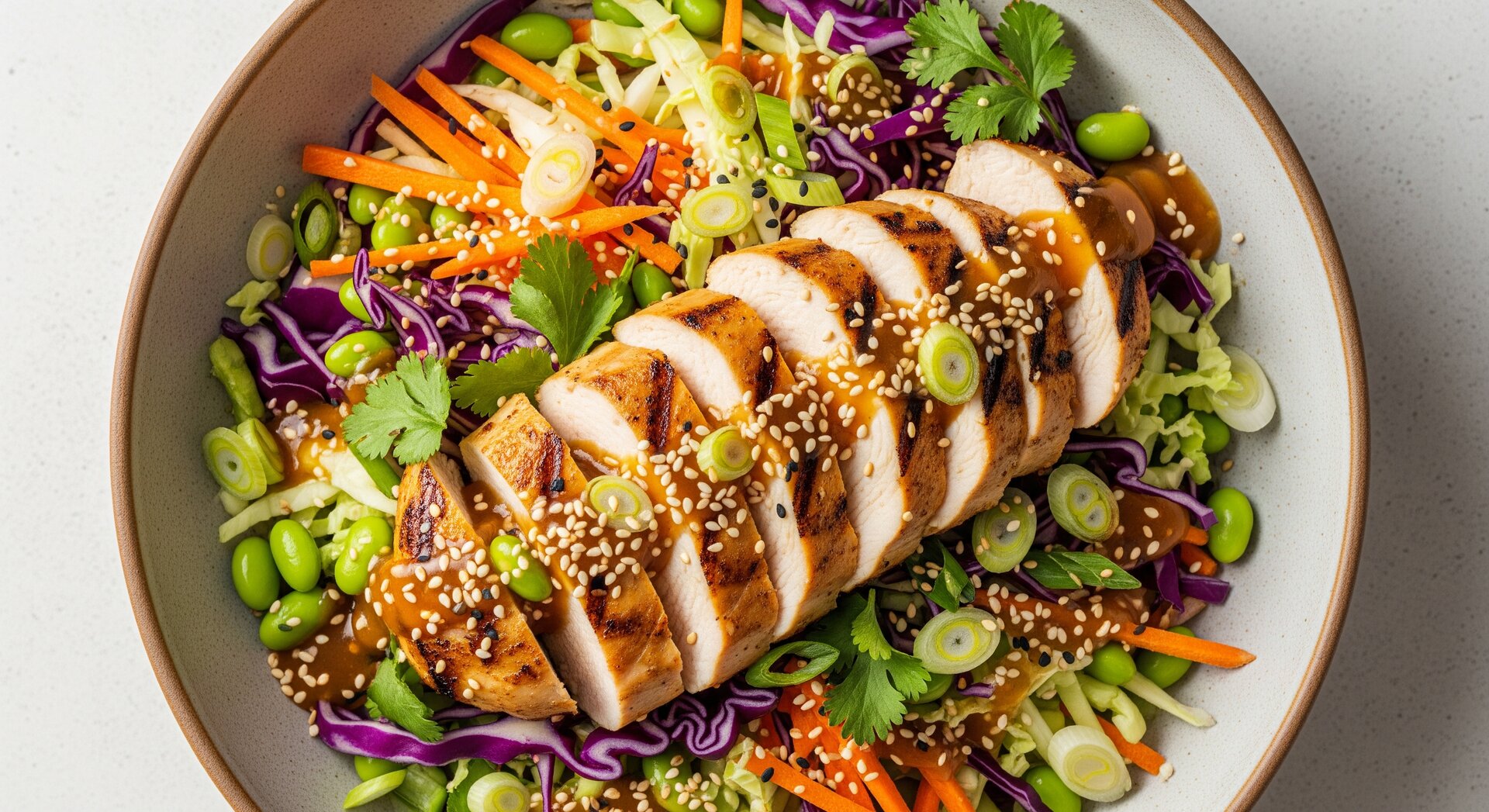 Asian Sesame Chicken Salad 25 min Crispy salad with grilled chicken and ginger-sesame dressing
  320 kcal
  28g protein 1 synergies
 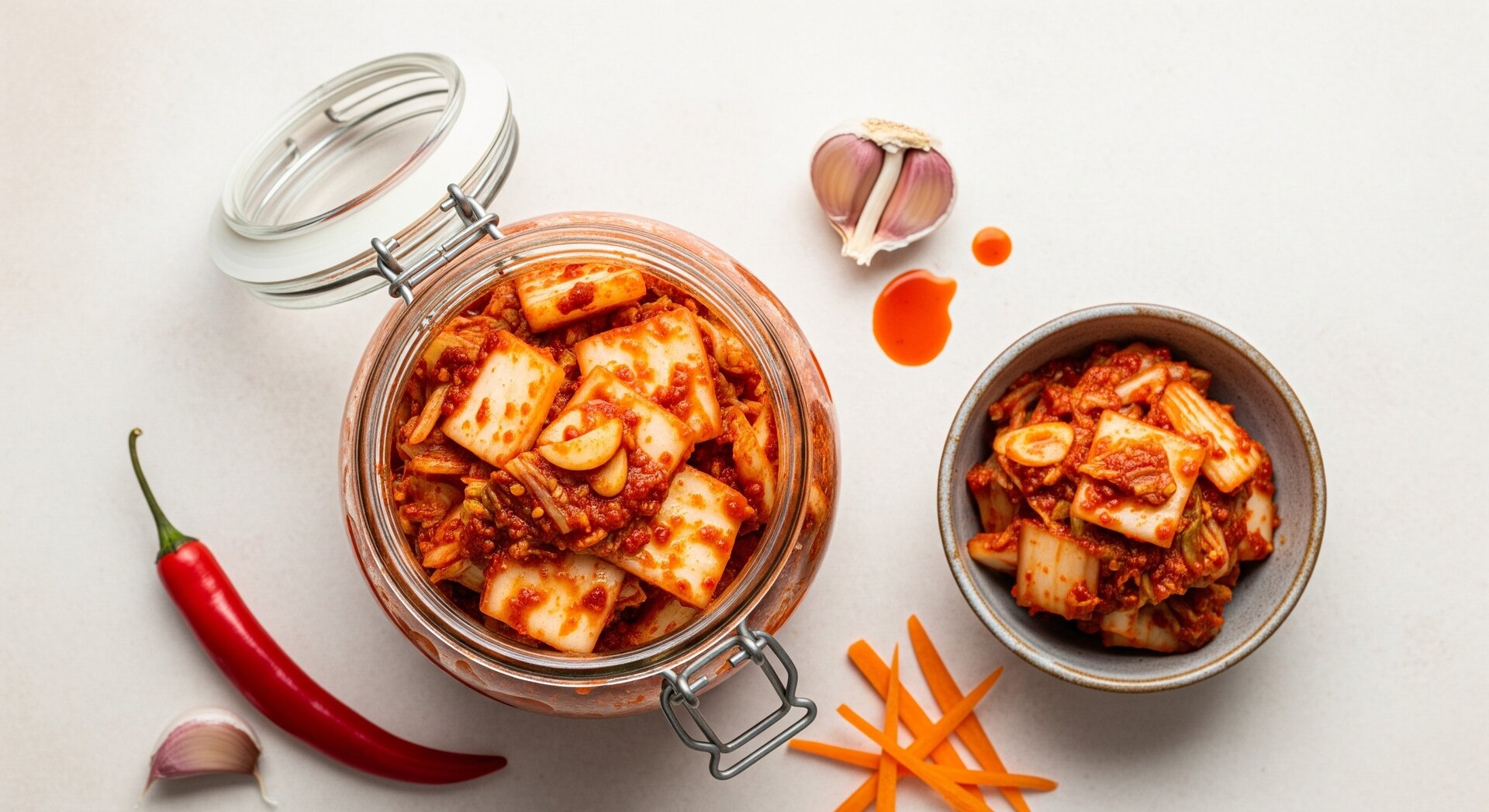 Korean Fermented Kimchi 30 min Chinese cabbage fermented with garlic paste, carrot and spring onion — ready after 3-5 days 65 kcal 3g protein 1 synergies
  In the Kitchen
Storage
Location:Refrigerator
Shelf life:1-2 weken
Leave whole and wrap in foil for longest shelf life. Wilts faster than white cabbage.
Preparation
Stir-fry (2-3 min), raw in salads, or ferment (days/weeks). The white veins need slightly more time than the leafy greens.
Substitutes
Smart preparation
1Cut the thick white ribs separately; they need longer cooking time.
2Sprinkle cut Chinese cabbage with salt for kimchi or sauerkraut.
Why?
Salt draws moisture from the leaves and makes them more pliable for fermentation.
3Add Chinese cabbage late to soups to preserve its crunch.
Caution / Warnings
Napa Cabbage is very safe, but there are scientific considerations:
Blood Thinners Moderate
Napa cabbage is rich in Vitamin K, which can affect warfarin efficacy
Advice:
Keep intake consistent, avoid sudden large amounts
Traditional use
Traditional Chinese Medicine
Chinese winter vegetable
Chinese cabbage has been cultivated in China for over 6000 years and was traditionally preserved as winter food. In Chinese medicine it is considered cooling and diuretic.
Summary
The most versatile cabbage variety. Crunchy raw in salads, soft and sweet in stir-fries, or fermented into the traditional Korean side dish Kimchi. Easily digestible.