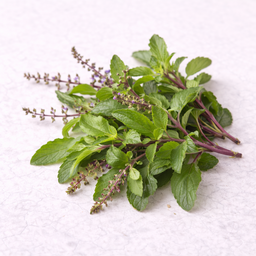
Holy basil
Aromatic tulsi herb from Ayurvedic culinary tradition
What is this ingredient?
Tulsi, or holy basil, is a culturally important plant in India and is known in Ayurveda as the 'queen of herbs'. It differs from sweet basil through its peppery, clove-like aroma and is used culinarily in teas, broths, curries, and stir-fries.
## Aromatic Compounds
Holy basil naturally contains eugenol and rosmarinic acid, plant compounds that help explain its spicy aroma and flavor. Publications such as Cohen (2014) and Jamshidi & Cohen (2017) discuss tulsi as a botanical with a long history of use and as a subject of clinical research.
## Use in Tea and Dishes
The leaves are used fresh or dried. Fresh leaves are usually added late to preserve their aroma; dried leaves work well in warm infusions with ginger, lemon, or honey.
How does it taste?
Peppery and spicy with clove notes and a slight sharpness.
Pairs well with:
Pairs well with chiligarlicsoy saucechickenand bamboo shoots.
Did you know...?
- Holy basil is called 'tulsi' in Hindi and is considered sacred in Hinduism.
- In India, many households keep a tulsi plant near the front door as a cultural and spiritual symbol.
Nutritional Value & Energy
Per 100g
Holy basil is low in calories thanks to natural nutrients .
Per 100g
Minerals
Vitamins
What's in a serving?
Holy basil naturally contains vitamin k (415 mcg per 100 g fresh). At typical herb use (5–10 g), the contribution is limited.
Holy basil naturally contains vitamin a (264 mcg per 100 g fresh). At typical herb use (5–10 g), the contribution is limited.
Holy basil naturally contains vitamin k (415 mcg per 100 g fresh). At typical herb use (5–10 g), the contribution is limited.
Holy basil naturally contains folate (60 mcg per 100 g fresh). At typical herb use (5–10 g), the contribution is limited.
% of daily reference intake (DRI)
EU-approved nutrition claims
This ingredient contains nutrients for which EFSA-authorized health claims exist at nutrient level, not specifically for holy basil as an ingredient.
Approved health claims (EU)
Vitamin_k EU 432/2012
Vitamin K contributes to normal blood clotting
Contains 415mcg/100g (threshold: ≥11.25mcg/100g)
Vitamin_k EU 432/2012
Vitamin K contributes to the maintenance of normal bones
Contains 415mcg/100g (threshold: ≥11.25mcg/100g)
What's being researched?
Tulsi in adaptogenic herb traditions
Research on holy basil examines its history of use, composition, and outcomes related to perceived mental load. The available clinical studies are interesting but limited in size and heterogeneous.
Supported by: [1] Cohen MM (2014) , [2] Jamshidi N (2017) , [3] Saxena RC (2012)
Tulsi and carbohydrate metabolism
Research explores whether holy basil is associated with markers of carbohydrate metabolism. For consumer communication, this remains a research context, not an authorized health claim.
Supported by: [2] Jamshidi N (2017)
Good Combinations (Synergy)
Combine holy basil smartly to enhance the effect:
Holy basil 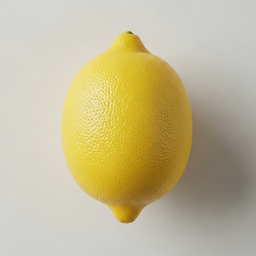 Lemon
Lemon Adaptogenic tulsi + vitamin C for stress resilience
Technical: Holy basil (Tulsi, Ocimum tenuiflorum) contains eugenol, rosmarinic acid and ursolic acid — adaptogenic compounds that normalize cortisol and regulate the neuroendocrine signaling system. Lemon's vitamin C (53mg/100g) is essential for adrenal function; the adrenal glands contain the highest vitamin C concentration of all organs. During chronic stress, vitamin C in adrenals drops rapidly. Tulsi + vitamin C support the stress response via two mechanisms: neuroendocrine signaling + adrenal recovery.
What does this mean for you? Tulsi tea with lemon juice is a classic Ayurvedic combination. Drink it in the morning for a calm yet alert start to the day, or in the evening to unwind.
Holy basil 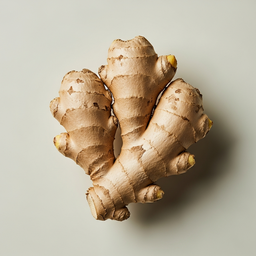 Ginger
 Tulsi + ginger: aromatic Ayurvedic combination
Technical: Holy basil (tulsi) contains eugenol and rosmarinic acid that are studied in relation to neuroendocrine signaling via modulation. Ginger's gingerol modulates NF-κB signal transduction and is also studied as an adaptogen. Both are adaptogens — they help the body adapt to changing conditions.
What does this mean for you? Tulsi-ginger tea is a popular Ayurvedic drink. The two adaptogens support you via different pathways — tulsi via neuroendocrine modulation, ginger via NF-κB signal transduction.
Holy basil 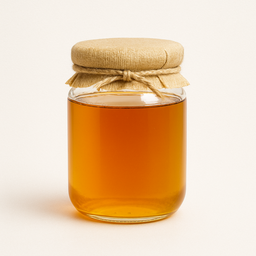 Honey
Honey Tulsi antioxidants + honey enzymes: aromatic combination
Technical: Holy basil contains camphene and eugenol. Raw honey coats the throat with a protective film and delivers glucose oxidase for local bioactive action. The combination provides aromatic plant compounds (tulsi) + energy (honey).
What does this mean for you? Brew tulsi tea and add a teaspoon of raw honey. This Indian combination tastes warm and aromatic.
Recipes with Holy basil
Discover delicious recipes featuring holy basil:
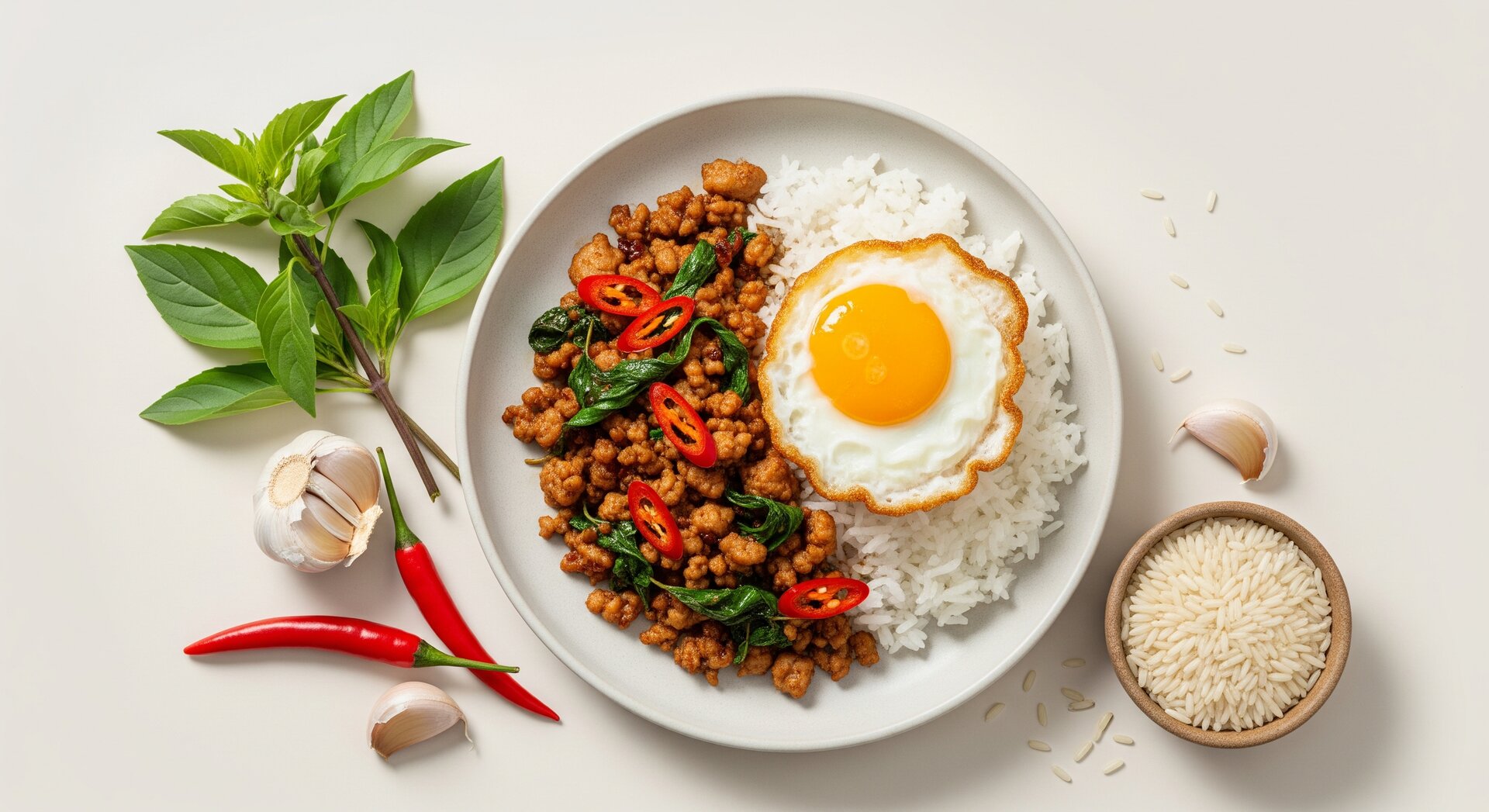 Thai Holy Basil Stir-Fry 25 min Authentic Pad Krapao with minced chicken and tulsi
  520 kcal
  38g protein 2 synergies
  In the Kitchen
Storage
Location:Refrigerator
Shelf life:1 week vers, maanden gedroogd
Preparation
As tea: steep 1 teaspoon dried leaves in hot water for about 5 minutes. In dishes: add the leaves at the end of cooking to preserve their aroma.
Conversions
Substitutes
Smart preparation
1Add holy basil only in the last minute to stir-fries.
Why?
The peppery flavor fades quickly with prolonged heating.
2Use whole leaves; chopping diminishes the aroma.
3Do not simply substitute with regular basil; the flavor is very different.
Caution / Warnings
Holy basil is very safe, but there are scientific considerations:
Blood thinners Moderate
Eugenol may affect blood clotting.
Pregnancy Moderate
There is insufficient safety data for therapeutic doses during pregnancy.
Traditional use
Ayurveda
Tulsi — the queen of herbs
Tulsi (holy basil) has been revered in Ayurveda for centuries as 'the queen of herbs' and plays a central role in many Hindu households as a sacred plant.
Summary
Tulsi is an aromatic herb with a peppery, clove-like taste and an important place in Ayurveda and Indian food culture. Use it as tea, add it late to stir-fries, or combine it with ginger, lemon, and honey for a warm infusion.