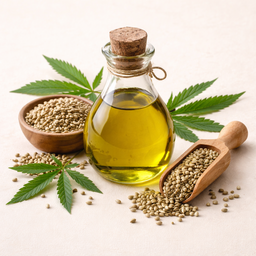
Hemp Seed Oil
Cold-pressed green oil with an omega-6 to omega-3 ratio of about 3:1
What is this ingredient?
## Cold-pressed oil rich in unsaturated fats
Hemp seed oil stands out for its green color, nutty-grassy aroma, and fatty acid profile. The oil is made from the seeds of Cannabis sativa L.; culinary oil is pressed from the seeds, filtered, and usually packaged to limit exposure to light and oxygen.
Fatty acid profile (per 100 g, average values):
- Omega-6 (linoleic acid): about 50-60 g
- Omega-3 (ALA, alpha-linolenic acid): about 15-20 g
- Omega-6 to omega-3 ratio: often around 3:1
- GLA (gamma-linolenic acid): about 2-4 g
- Omega-9 (oleic acid): about 10-15 g
- Saturated fat: about 9-11 g
Natural constituents:
- Vitamin E: about 12-15 mg per 100 g, mainly tocopherol forms
- Chlorophyll: contributes to the green color
- Phytosterols: natural plant sterols in the fat fraction
- Trace cannabinoids: depending on cultivation, pressing, and refining; culinary hemp seed oil is intended as a food oil, not as a concentrated CBD product
Culinary use:
Hemp seed oil has a low smoke point and a high share of polyunsaturated fats. Use it preferably cold. It works well in salad dressings, pesto, hummus, yogurt, smoothies, grain bowls, quinoa, and as a finishing oil over roasted vegetables once they are off the heat.
Storage:
The oil is sensitive to light, heat, and oxygen. Store it in a dark bottle, close the cap tightly, and keep the bottle refrigerated after opening. Fresh oil smells nutty and slightly grassy; a sharp, bitter, or chemical smell points to rancidity.
Research context:
Research on hemp seed oil mainly focuses on its fatty acid profile, GLA, skin-related nutrition markers, and the balance of omega-6 and omega-3 in the diet. The evidence is usually about nutrients and fatty acids, not about a guaranteed effect of the ingredient itself. Use hemp seed oil as a flavorful cold oil within a varied eating pattern.
How does it taste?
Grassy-nutty with a mildly earthy, green flavor.
Pairs well with:
Pairs well with saladhummussmoothiespestoand quinoa.
Did you know...?
- Hemp seed oil is pressed from the seeds and is intended as a culinary oil, not as a concentrated cannabinoid product.
- Hemp is one of the world’s oldest cultivated crops and was historically also used for fiber, rope, and textiles.
Nutritional Value & Energy
Per 100ml
Hemp Seed Oil provides energy thanks to natural nutrients .
Per 100g
Minerals
Vitamins
What's in a serving?
1 tablespoon
Hemp seed oil naturally contains vitamin E (13.5 mg per 100 g).
% of daily reference intake (DRI)
EU-approved nutrition claims
This ingredient contains nutrients for which EFSA-authorized health claims exist (at nutrient level, not ingredient-specific).
Approved health claims (EU)
Vitamin_e EU 432/2012
Vitamin E contributes to the protection of cells from oxidative stress
Contains 13.5mg/100g (threshold: ≥1.8mg/100g)
What's being researched?
Hemp seed oil and omega fatty acids
The omega-6 to omega-3 ratio of about 3:1 in hemp seed oil is used as a nutritional research model. Clinical evidence for ingredient-specific effects remains limited and preliminary.
Supported by: [2] Simopoulos AP (2002) , [4] Vodolazska D (2020)
Hemp seed oil, GLA, and skin-related nutrition
GLA (gamma-linolenic acid) in hemp seed oil is studied within skin-related nutrition research. Available studies are small-scale and should be interpreted cautiously.
Supported by: [1] Callaway J (2005)
Good Combinations (Synergy)
Combine hemp seed oil smartly to enhance the effect:
Hemp Seed Oil 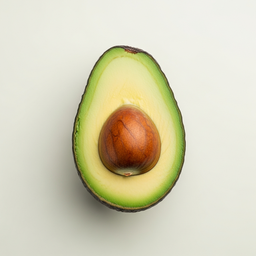 Avocado
 Three omega families (3, 6-GLA, 9) in one combination
Technical: Hemp seed oil provides ALA omega-3 (15-20g/100ml) and GLA (2-4g/100ml). Avocado offers oleic acid (10g/100g, omega-9) that influences lipid metabolism. The combination of omega-3 (ALA as EPA precursor), omega-6 GLA (via DGLA → PGE1 prostaglandin pathway), and omega-9 (oleic acid) covers all three essential fatty acid families in one meal. GLA stimulates PGE1 production which influences ceramide synthesis in the skin.
What does this mean for you? Mix hemp seed oil into guacamole or drizzle over avocado toast. The three types of omega fatty acids work via complementary biochemical pathways. Store cold and don't heat.
Hemp Seed Oil 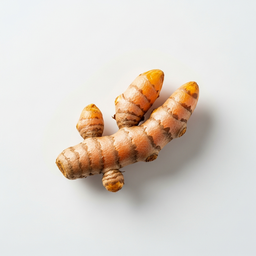 Turmeric
 GLA + curcumin: complementary biochemical pathways via prostaglandins and NF-κB
Technical: Hemp seed oil contains 2-4% GLA (gamma-linolenic acid), a unique omega-6 fatty acid. GLA is converted to DGLA → PGE1 (prostaglandin E1) — the opposite of regular omega-6. Curcumin from turmeric modulates NF-κB and COX-2 via a different pathway. Together they reach two complementary biochemical pathways: GLA via prostaglandin modulation, curcumin via transcription factor modulation.
What does this mean for you? Make a dressing of hemp seed oil with turmeric and black pepper — DON'T heat, because both GLA and curcumin are heat-sensitive. Use it cold over salads or vegetables.
Hemp Seed Oil 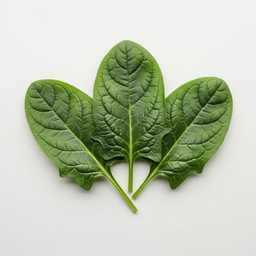 Spinach
 GLA + omega-3 increase iron and carotenoid absorption from spinach
Technical: Hemp seed oil contains a unique fatty acid mix: 55-60% LA (omega-6), 15-20% ALA (omega-3), 2-4% GLA (gamma-linolenic acid). GLA is converted to DGLA → PGE1 (prostaglandin E1), which influences gut barrier function. The fat (total 100g/100ml) dissolves fat-soluble carotenoids from spinach: lutein (12,198μg/100g), beta-carotene (5,626μg/100g). The omega-6:omega-3 ratio of 3:1 in hemp seed oil is considered ideal in nutritional science.
What does this mean for you? Use hemp seed oil as dressing on spinach salad (DON'T heat — use cold). Add lemon for vitamin C that makes iron even more absorbable. Ideal for vegans.
 In the Kitchen
Storage
Location:Refrigerator
Shelf life:Ongeopend: 6-12 maanden (gekoeld, donker). Geopend: 4-6 weken (gekoeld)! Ranzig na 1-2 weken bij kamertemperatuur.
Very sensitive to oxidation because of its high share of polyunsaturated fats. Always store refrigerated, in a dark bottle, with the cap tightly closed. Fresh oil smells nutty and grassy; if it smells sharp, bitter, or chemical, it is better to discard it.
Preparation
Do not heat: hemp seed oil has a low smoke point and is meant for cold use. Use it in salads, smoothies, pesto, hummus, dressings, yogurt, oatmeal, or as a finishing oil over pasta and vegetables. The flavor is nutty, slightly grassy, and green.
Conversions
Substitutes
Smart preparation
1Use hemp seed oil only cold; heating can quickly make the flavor bitter.
Why?
The low smoke point and high share of unsaturated fats make the oil less suitable for frying or roasting.
2Drizzle hemp seed oil over salads or finished dishes.
3Store hemp seed oil in the fridge after opening; it goes rancid quickly with heat and light.
Caution / Warnings
Hemp Seed Oil is very safe, but there are scientific considerations:
Blood thinners (warfarin) — discuss regular use or high ALA intake Moderate
Hemp seed oil contains a lot of ALA (alpha-linolenic acid), an omega-3 fatty acid. In people using blood thinners, a high and daily intake of omega-3 fatty acids may be relevant for medical follow-up. The practical relevance depends on serving size, the overall eating pattern, the type of medication, other supplements, and personal risk factors.
Advice:
If you use blood thinners, discuss regular use or high servings with your doctor or pharmacist. Start with small amounts, keep your intake consistent, and avoid sudden large daily servings without personal advice, especially when INR or other blood values are being monitored.
Rancidity due to high polyunsaturated fat content and sensitivity to light Moderate
Hemp seed oil has a high share of polyunsaturated fats, including omega-3, omega-6, and GLA. This makes it sensitive to light, heat, and oxygen. With poor storage, the flavor can deteriorate quickly. Rancid oil often smells sharp, bitter, cardboard-like, or chemical and tastes clearly unpleasant instead of fresh, nutty, and grassy.
Advice:
Store the oil refrigerated in a dark bottle, close the cap tightly, and do not keep the bottle next to the stove or in direct sunlight. Use it within a few weeks after opening and pour with a clean spoon or cap each time. If the oil smells or tastes rancid, stop using it and discard the bottle.
Drug testing — THC traces may vary by product and quality control Mild
Culinary hemp seed oil is made from seeds and should not be intoxicating. Still, THC traces may vary by product, origin, cultivation method, and quality control, especially in products that are poorly purified or carelessly processed. For most consumers, this is mainly a practical consideration for strict workplace or sport testing.
Advice:
If you must meet strict drug-testing requirements, choose a product with independent laboratory analysis and clear THC specification whenever possible. If you are unsure or have a test coming up, temporarily avoid hemp seed oil or discuss it in advance with the responsible doctor, employer, or sports organization.
Traditional use
Traditional Chinese Medicine
Hemp seed oil in Chinese culinary and plant traditions
Hemp seeds and oil have long appeared in Chinese plant and food cultures. They were used in grain preparations, porridge-like dishes, and simple everyday foods, especially for their mild, nutty character.
Summary
Hemp seed oil is a cold-pressed green oil with a nutty-grassy flavor and a fatty acid profile rich in linoleic acid (omega-6), ALA (omega-3), and small amounts of GLA. Its omega-6 to omega-3 ratio is often around 3:1, making it interesting in nutritional research on fatty acid profiles. Because of its low smoke point, it is best used cold in dressings, hummus, smoothies, pesto, or as a finishing oil over vegetables. Store it in the refrigerator and use it within a few weeks after opening, as it is sensitive to light, heat, and oxygen.