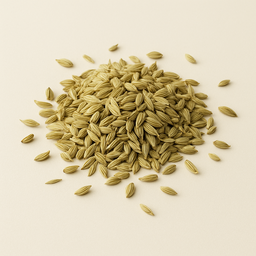
Fennel Seeds
Sweet anise-like seeds for tea and spice blends
What is this ingredient?
Fennel seeds (Foeniculum vulgare) are the dried seeds of the fennel plant, an umbellifer native to the Mediterranean region. They have a warm, sweet anise aroma and have long been used in bread, sausage, fish dishes, tea and after-meal seed mixes. In India they are known as 'saunf' and are often served plain or lightly candied as 'mukhwas'.
## Aroma and composition
The recognizable aroma comes mainly from anethole, alongside fenchone, estragole and other volatile oils. Brief dry-toasting releases these aromatic compounds more strongly. Whole fennel seeds stay fresh longer than ground powder, so it is best to grind them shortly before use.
## Culinary traditions
In Mediterranean cooking, fennel seed pairs classically with fish, tomato, citrus, olive oil and sausage. In Indian kitchens it often appears in spice blends with cumin, coriander seed, ajwain or cardamom. Its sweet anise-like taste gives dishes rounded warmth without adding sugar.
## Research context
Fennel seed and fennel oil are discussed in scientific literature because of their volatile aromatic compounds and their traditional use after meals. Such studies usually involve extracts, oils or specific research settings; ordinary kitchen amounts should mainly be viewed as culinary use with a distinctive flavor profile.
How does it taste?
Sweet-anise-like with warm, mildly licorice-like notes and a gentle spiced finish.
Pairs well with:
Pairs well with fishtomatoorangeporkbread dough and warm milk drinks.
Did you know...?
- Fennel seed was valued by Romans in cooking and was nicknamed 'the seed of sight' in ancient texts.
- In India, fennel seed is often chewed after meals as a fragrant mouth freshener, sometimes mixed with sugar pearls or other seeds.
Nutritional Value & Energy
Per 100g
Fennel Seeds provides energy thanks to natural nutrients , buffered by fiber.
Per 100g
Minerals
Vitamins
Omega-3 fatty acids
More nutrients
B-Vitamins
Trace Minerals
What's in a serving?
Fennel seeds naturally contain calcium (1196 mg per 100 g dried seed). At typical spice use (3–9 g), the contribution is limited.
Fennel seeds naturally contain iron (18.5 mg per 100 g dried seed). At typical spice use (3–9 g), the contribution is limited.
Fennel seeds naturally contain magnesium (385 mg per 100 g dried seed). At typical spice use (3–9 g), the contribution is limited.
Fennel seeds naturally contain potassium (1694 mg per 100 g dried seed). At typical spice use (3–9 g), the contribution is limited.
Fennel seeds naturally contain calcium (1196 mg per 100 g dried seed). At typical spice use (3–9 g), the contribution is limited.
Fennel seeds naturally contain iron (18.5 mg per 100 g dried seed). At typical spice use (3–9 g), the contribution is limited.
Fennel seeds naturally contain magnesium (385 mg per 100 g dried seed). At typical spice use (3–9 g), the contribution is limited.
Fennel seeds naturally contain potassium (1694 mg per 100 g dried seed). At typical spice use (3–9 g), the contribution is limited.
Fennel seeds naturally contain zinc (3.7 mg per 100 g dried seed). At typical spice use (3–9 g), the contribution is limited.
% of daily reference intake (DRI)
EU-approved nutrition claims
There are currently no EFSA-authorized health claims specific to fennel seeds. Various applications for herbs and spices have been submitted but not yet assessed (botanical 'on hold' list).
Comparison
vsmelk
Fennel seeds contain about 10× more calcium per 100 g than milk — but you use much less fennel seed per serving.
vsspinazie
Fennel seeds contain about 7× more iron per 100 g than spinach — but you use much less fennel seed per serving.
vsbanaan
Fennel seeds contain about 5× more potassium per 100 g than banana — but you use much less fennel seed per serving.
What's being researched?
Fennel seed and traditional after-meal use
Fennel seed and fennel oil are studied because of aromatic compounds such as anethole and their role in culinary after-meal traditions. Studies often use oil, tea or extracts; that is not the same as ordinary kitchen amounts.
Supported by: [1] Namavar Jahromi (2003) , [3] Alexandrovich I (2003)
Good Combinations (Synergy)
Combine fennel seeds smartly to enhance the effect:
Fennel Seeds 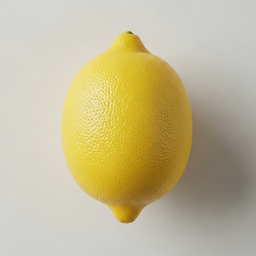 Lemon
Lemon Anethole + vitamin C for biotransformation and fluid balance
Technical: Fennel seed acts as a mild diuretic by increasing kidney filtration without potassium loss (unlike pharmaceutical diuretics). Lemon's citric acid alkalizes urine and vitamin C supports biotransformation.
What does this mean for you? Fennel seed-lemon water is a traditional herbal drink. Steep a tablespoon of fennel seeds in hot water, add lemon — fresh and supportive.
Fennel Seeds 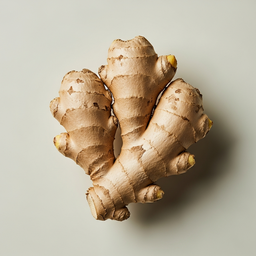 Ginger
 Triple carminative action against gas
Technical: Fennel seed contains anethole and fenchone that relax intestinal smooth muscles (spasmolytic/carminative). Ginger's gingerol accelerates gastric motility. Mint's menthol activates cooling receptors (TRPM8) in the gut that also induce spasmolysis. Three independent carminative mechanisms — maximum gas relief.
What does this mean for you? Make fennel-ginger-mint tea after a heavy meal. Three herbs each relaxing your intestines through a different route and reducing gas formation.
Fennel Seeds 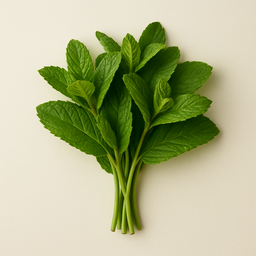 Mint
Mint Triple carminative action against gas
Technical: Fennel seed contains anethole and fenchone that relax intestinal smooth muscles (spasmolytic/carminative). Ginger's gingerol accelerates gastric motility. Mint's menthol activates cooling receptors (TRPM8) in the gut that also induce spasmolysis. Three independent carminative mechanisms — maximum gas relief.
What does this mean for you? Make fennel-ginger-mint tea after a heavy meal. Three herbs each relaxing your intestines through a different route and reducing gas formation.
Fennel Seeds 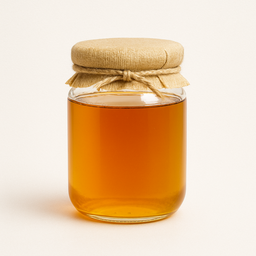 Honey
Honey Anethole + honey enzymes: traditional drink
Technical: Fennel seed contains trans-anethole (60-80%) that reduces spasms in the digestive tract via calcium channel blockade and promotes bile flow. Honey coats the throat mucosa and contains glucose oxidase with bioactive action. Fennel seed-honey is a traditional Ayurvedic herbal drink.
What does this mean for you? Fennel seed-honey is a traditional Ayurvedic herbal drink. The fennel calms your digestive tract, the honey protects your throat — together a gentle combination.
 In the Kitchen
Storage
Location:Pantry
Shelf life:2-3 jaar heel, 6 maanden gemalen
Store whole seeds in an airtight jar in a cool, dry and dark place. Grind just before use for the strongest aroma.
Preparation
Briefly dry-toast fennel seeds to open up the aroma. Chew a few seeds after a meal as a mouth freshener or steep them in hot water for a gentle herbal tea. CULINARY COMBINATION: cumin + coriander seed + fennel seed for a classic Indian seed blend.
Conversions
Substitutes
Smart preparation
1Dry-toast fennel seeds in a pan until they start to release aroma.
Why?
Toasting brings the sweet, anise-like oils to the surface.
2Coarsely grind toasted fennel seeds for spice rubs, bread dough or tomato sauce.
3Chew a few fennel seeds after a meal as a fragrant finish.
Caution / Warnings
Fennel Seeds is very safe, but there are scientific considerations:
Hormone-sensitive conditions Moderate
Anethole may show mild estrogen-like activity in concentrated forms.
Advice:
Use culinary amounts cautiously and avoid concentrated supplements with estrogen-sensitive conditions unless your doctor advises otherwise.
Blood thinners Mild
Large or concentrated amounts of fennel seed may possibly affect blood clotting.
Advice:
Culinary amounts are usually appropriate. Consult a doctor for supplement doses or when using anticoagulants.
Celery family allergy Moderate
Fennel belongs to the Apiaceae family, like celery, carrot, anise, parsley and caraway.
Advice:
Avoid fennel seed with a known allergy to related plants, or discuss it with a doctor first.
Traditional use
Ayurveda
Saunf in Ayurveda
Fennel seed (saunf) has long been used in Ayurveda and Indian food culture as a fragrant after-meal finish. It is served plain, toasted or lightly candied to freshen the breath.
Mediterranean
Greco-Roman culinary tradition
The Greeks called fennel 'marathon', after the landscape where the plant grew. The Romans used fennel widely in cooking, including sauces, meat and vegetable dishes.
Summary
Fennel seeds have a sweet anise flavor and are popular in Indian, Mediterranean and Middle Eastern cooking. Chew a few seeds after a meal as a mouth freshener, briefly toast them for spice blends or steep them into a gentle tea. Store them whole and grind just before use for the best aroma.